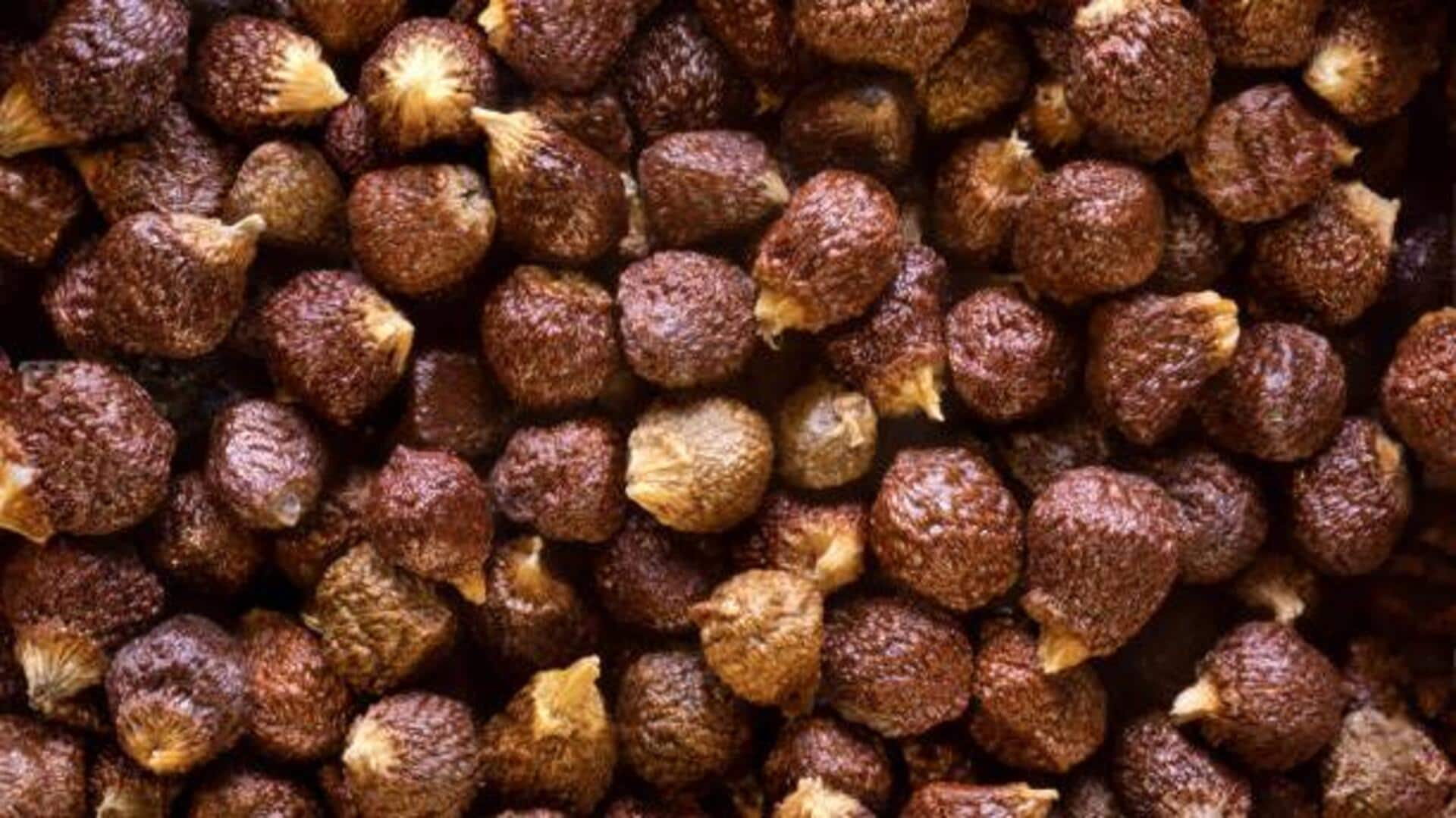
5 peppercorns that shape African flavors
What's the story
African peppercorns are an essential ingredient in many traditional dishes across the continent. Famous for their distinctive taste and aroma, these peppercorns are a staple in African cuisine. They lend a unique flavor that elevates the taste of various dishes, making them a favorite among culinary enthusiasts. Here are five African peppercorns that are commonly used in traditional recipes, and how they contribute to the richness of African cooking.
#1
Grains of paradise: A spicy kick
Grains of paradise, also known as Aframomum melegueta, have a peppery, slightly citrusy flavor.
Native to West Africa, these seeds are often used as a substitute for black pepper.
They add heat without overpowering other flavors and are commonly used in spice blends and marinades.
#2
Cubeb pepper: A fragrant addition
Cubeb pepper, or Piper cubeba, is another popular African spice.
With its unique aroma, reminiscent of allspice, with a hint of bitterness, cubeb pepper is widely used in traditional dishes.
It is often added to stews and soups to enhance the overall flavor profile. Its distinct taste makes it an interesting addition to various recipes.
#3
Long pepper: A bold choice
Long pepper (Piper longum) is similar to black pepper but offers a more complex flavor profile with sweet and spicy notes.
Native to tropical regions, including parts of Africa, long pepper is used in both sweet and savory dishes.
Its bold taste makes it ideal for adding depth to soups and sauces.
#4
Tasmanian pepperberry: A unique twist
Tasmanian pepperberry (Tasmannia lanceolata) is not native to Africa but has found its way into some African cuisines due to its unique flavor profile.
With a sweet-heat combination that resembles both peppercorns and berries, this spice adds an interesting twist when used sparingly in recipes like desserts or dressings.
#5
Voacanga seeds: An exotic flavor
Voacanga seeds (Voacanga Africana) have been used traditionally across several African cultures for their medicinal properties, as well as culinary uses.
These seeds add an earthy depth, with subtle nutty undertones, when ground into powders or pastes used within various regional dishes, such as curries or stews.