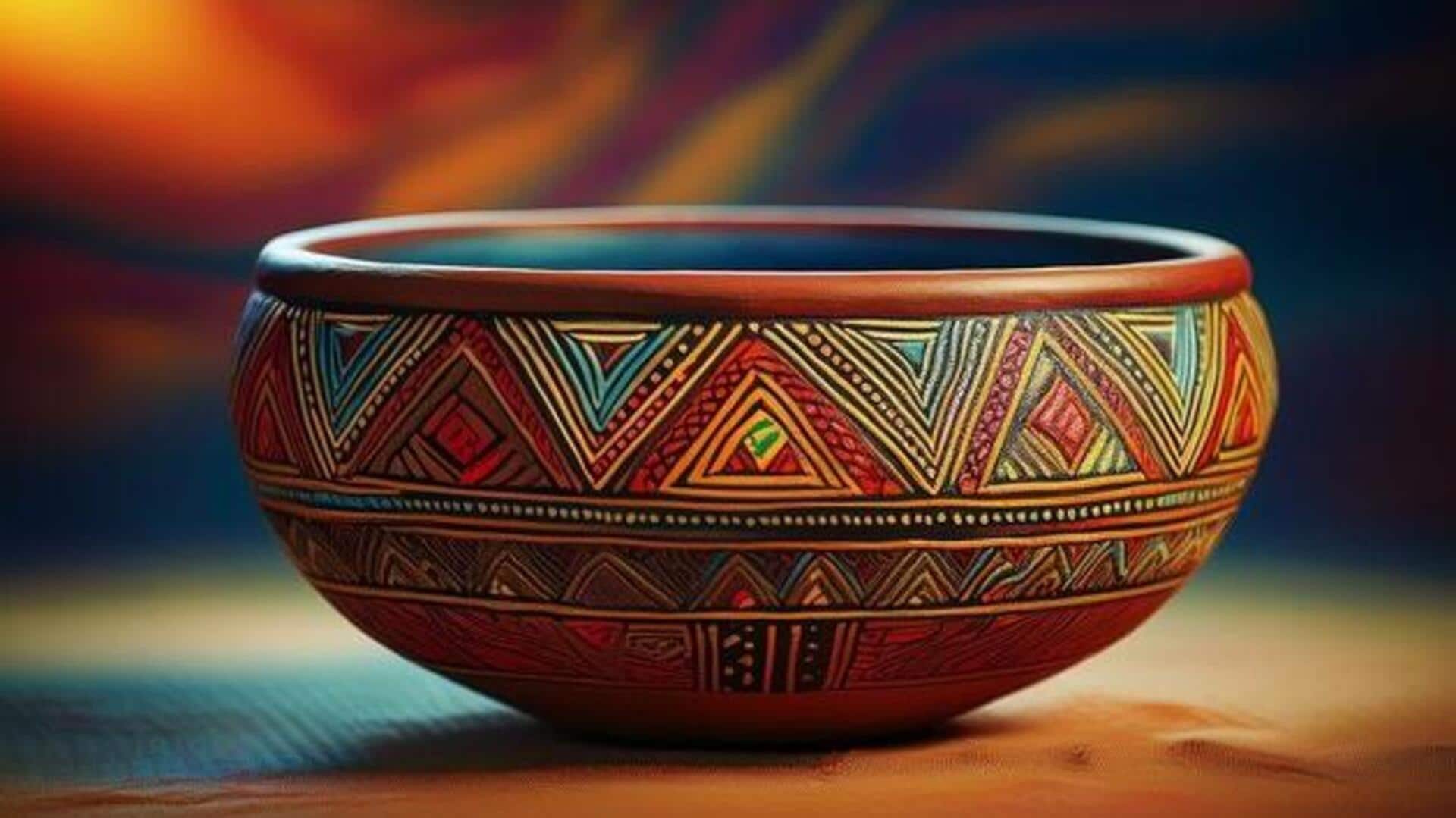
All about African terracotta art
What's the story
African terracotta sculptures have been inspiring contemporary artists for centuries. The unique style and cultural significance of these works have influenced many modern art movements. From the intricate details to the symbolic representations, African terracotta pieces offer a rich source of inspiration for artists around the world. This article delves into how these ancient sculptures continue to shape contemporary artistic expressions, highlighting their enduring impact on global art scenes.
#1
Symbolism in terracotta art
African terracotta sculptures are famous for their symbolic elements, which are often rooted in cultural traditions and beliefs.
These symbols can represent anything from social status to spiritual beliefs.
Contemporary artists often borrow these symbols to add depth and meaning to their own work.
By integrating these elements, artists can create a dialogue between the past and present, showcasing the relevance of traditional art forms in modern contexts.
#2
Techniques inspired by terracotta
The techniques used in creating African terracotta sculptures have also inspired contemporary artists.
The methods of molding and firing clay used by African artisans are being adapted by modern creators to explore new textures and forms.
These techniques allow artists to experiment with different mediums while paying homage to the craftsmanship of their predecessors.
#3
Influence on sculpture design
The design of African terracotta sculptures has also had a major influence on contemporary sculpture.
The use of geometric shapes, abstract forms, and expressive features are common in modern works inspired by these ancient pieces.
Artists across the globe incorporate these design elements into their sculptures, creating a fusion of traditional African aesthetics with modern artistic practices.
#4
Cross-cultural collaborations
African terracotta art has also paved the way for cross-cultural collaborations between artists from different parts of the world.
By bringing together diverse perspectives, these collaborations lead to innovative works that reflect a blend of influences from both African traditions and contemporary art movements.
Such partnerships not only celebrate cultural diversity, but also highlight the universal appeal of terracotta as a medium for artistic expression.