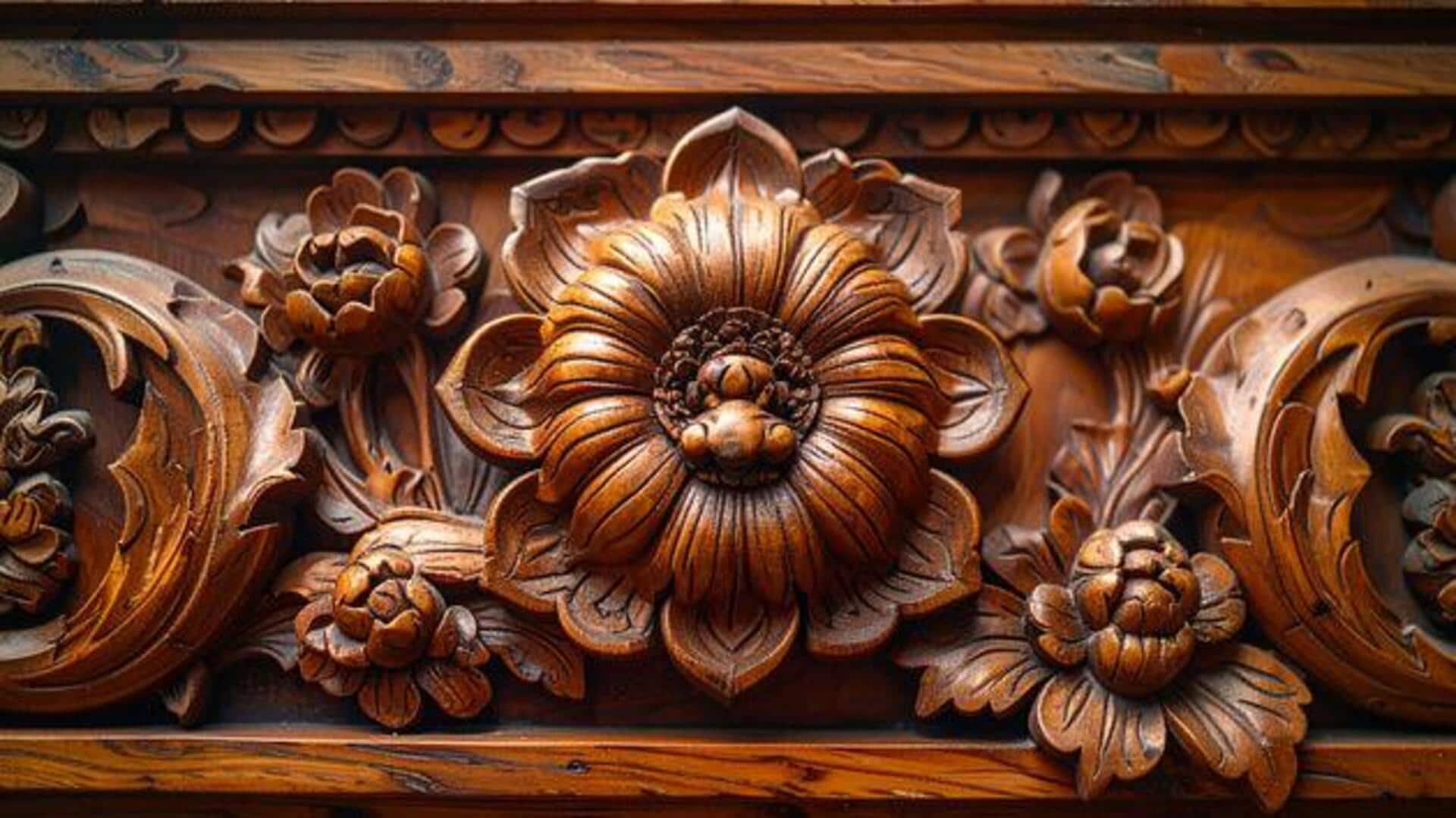
Exploring the evolution of African wood carving
What's the story
African wood carving is a centuries-old tradition that has evolved over the years, blending modern aesthetics with traditional techniques. This art form, which is deeply rooted in African culture, has now gained global recognition for its unique style and craftsmanship. The fusion of old and new has made African wood carving more accessible and appealing to a wider audience. Here's how this ancient craft is adapting to modern tastes while preserving its cultural significance.
#1
Traditional techniques meet modern design
African wood carving has always been about intricate designs and detailed work.
However, these days, artisans are mixing traditional techniques with modern design sensibilities.
This fusion has resulted in pieces that are not just culturally rich, but also visually appealing to contemporary buyers.
The use of clean lines, minimalist forms, and functional elements are some of the modern influences seen in these carvings.
#2
Sustainable practices in wood carving
Sustainability is becoming a key focus in the world of African wood carving. Artisans are now opting for eco-friendly materials and sustainable sourcing practices to reduce environmental impact.
The shift not only helps preserve natural resources but also appeals to environmentally conscious consumers, who value ethical craftsmanship.
By adopting sustainable methods, artisans can continue their craft without compromising the health of the planet.
#3
Global influence on African artisans
The global art market has had a major influence on African wood carvers, who are now catering to international tastes and preferences.
Exposure to global trends has inspired artisans to experiment with new styles and techniques while staying true to their roots.
This cross-cultural exchange enriches the art form and opens up new avenues for creativity.
#4
Economic impact of wood carving art
The economic impact of African wood carving is huge, as it contributes to local economies through tourism and export opportunities.
Artisans often rely on sales from tourists visiting their regions or international buyers seeking authentic pieces.
The demand for these artworks supports livelihoods and encourages communities to preserve their cultural heritage through continued practice of this traditional craft.