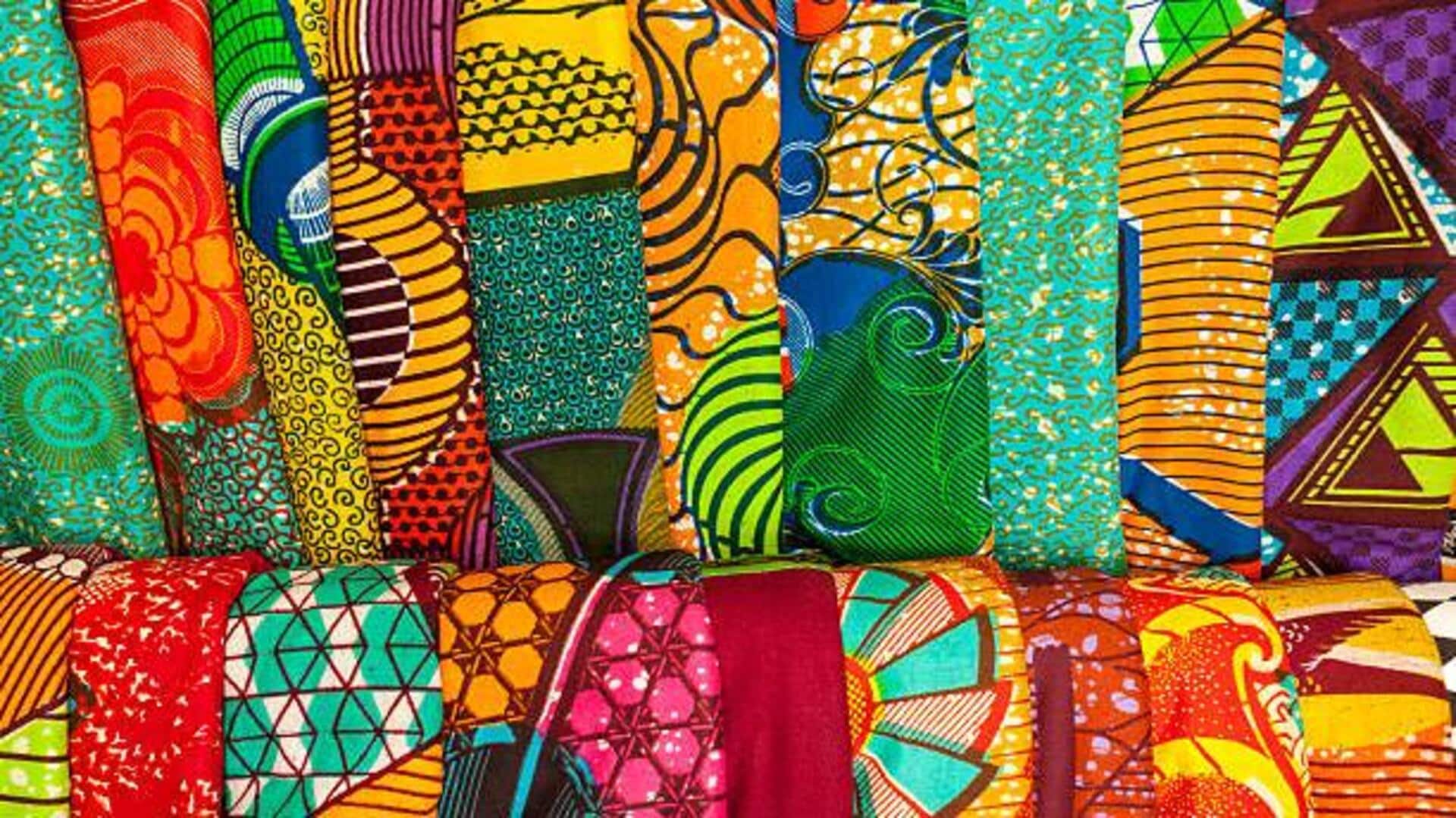
Akan textiles: 5 unique patterns to know about
What's the story
Akan textiles are an integral part of the cultural heritage of the Akan people of West Africa. Famous for their vibrant colors and intricate patterns, these textiles are more than just clothing; they are a form of communication and storytelling. Each pattern carries its own meaning and significance, often depicting historical events, proverbs, or social status. Here are five unique patterns that showcase the diversity and richness of Akan textile art.
#1
The Adinkra symbol pattern
The Adinkra symbol pattern is famous for its use of symbols that represent concepts or aphorisms. Each symbol has its own meaning, from strength to peace.
These patterns are usually used in ceremonial cloths worn during important events.
The use of Adinkra symbols allows for a visual representation of ideas that can be understood even without words.
#2
The Kente cloth pattern
Kente cloth is probably the most famous Akan textile, known for its bright colors and geometric designs.
Traditionally woven from silk and cotton, Kente patterns are often associated with royalty and prestige.
Each design has a name and meaning, usually linked to historical events or proverbs.
Kente cloth is worn on special occasions as a symbol of cultural pride.
#3
The Ewe batik style
Although Ewe batik is not strictly Akan, it is widely appreciated in the region for its unique style.
The technique involves dyeing the fabric with wax-resist methods to create intricate patterns.
The result is a vibrant textile with fluid designs that resemble natural elements like water or leaves.
Ewe batik is often used in everyday wear, as well as ceremonial attire.
#4
The Fante flag design
The Fante flag design features horizontal stripes in different colors that represent various aspects of life within the community.
Red may symbolize struggle, while green could stand for hope or growth.
This pattern serves as both a decorative element on clothing items like shirts or dresses, as well as an emblematic representation during festivals.
#5
The Akoma Ntoaso pattern
Akoma Ntoaso means linked hearts in Twi, one of Ghana's major languages.
This pattern consists of interlocking heart shapes, symbolizing unity, patience, endurance, and mutual support among family members or friends alike.
It is commonly used in everyday garments, reminding wearers about the importance of these values within their relationships.