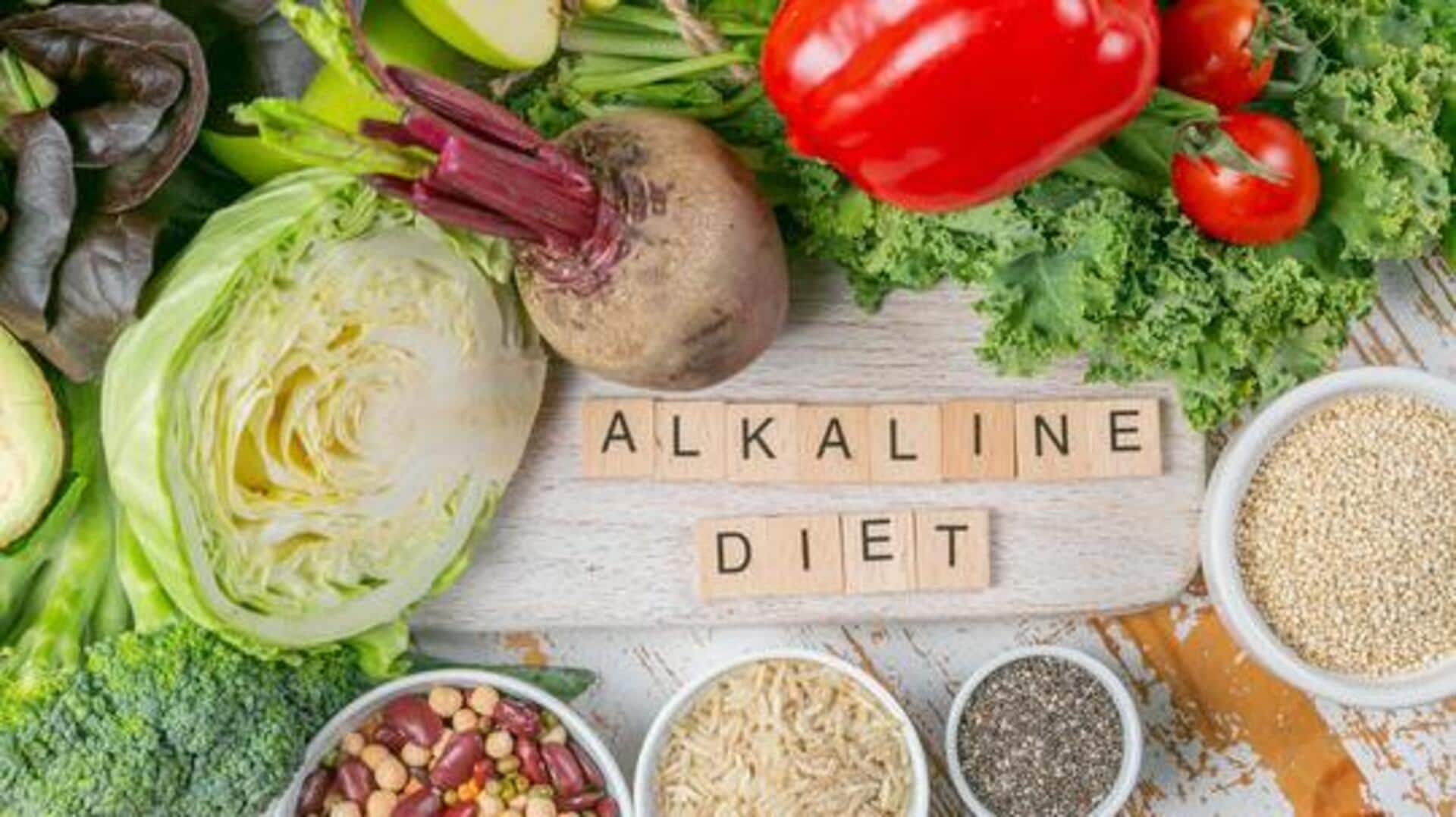
What is an alkaline diet?
What's the story
The alkaline diet has been making waves for its purported health benefits, but many misconceptions have clouded its true impact on well-being. The diet recommends consuming foods that supposedly affect the body's pH levels, promoting better health. However, understanding the actual effects of this diet is critical. Here's a look at the myths and facts surrounding the alkaline diet, and how it really affects your health.
#1
Understanding pH levels in the body
The human body has natural mechanisms to maintain pH levels, mostly through the lungs and kidneys. While diet can affect urine pH, it does not change blood pH significantly. The idea that certain foods can drastically alter body chemistry is misleading. Instead, focusing on a balanced diet with plenty of fruits and vegetables may be more beneficial, without relying on alkaline claims.
#2
Nutrient intake in an alkaline diet
An alkaline diet usually emphasizes plant-based foods, which are rich in essential nutrients. While these foods are great for health, it's important to ensure that all nutrient needs are met. For instance, some may miss out on protein or certain vitamins if they limit themselves too much to alkaline foods. A balanced approach that includes a variety of food groups can help meet nutritional needs better.
#3
Potential health benefits explored
Proponents of the alkaline diet often cite benefits such as increased energy levels and improved digestion. However, scientific evidence supporting these claims is limited. While eating more fruits and vegetables can lead to better digestion due to fiber content, attributing this solely to an alkaline effect may be an oversimplification. It's important to consider overall dietary patterns, rather than focusing solely on pH-related claims.
#4
Risks of extreme dietary restrictions
Restricting foods based on their supposed acidity can lead to imbalances in nutrition intake. Some people might cut out dairy or grains unnecessarily, thinking they are harmful because they are not alkaline. Such restrictions could lead to deficiencies over time if not properly managed with alternative sources of those nutrients.