
Attending wedding in Andorra? Know about these unique traditions
What's the story
Nestled in the Pyrenees mountains, Andorra is a tiny European country famous for its beautiful landscapes and rich culture. Among its many traditions, Andorra's wedding customs stand out, giving a glimpse of the region's history and values. These rituals are a blend of old practices and modern influences, making every wedding a unique affair. Here are some of the most interesting wedding traditions from Andorra.
Bread tradition
The role of bread in ceremonies
In Andorran weddings, bread is an important element. The couple usually shares a loaf of bread as a symbol of unity and prosperity. This act signifies their commitment to share everything in life, including responsibilities and joys. The bread is often made with local ingredients, reflecting the region's agricultural heritage.
Attire tradition
Traditional attire with local flair
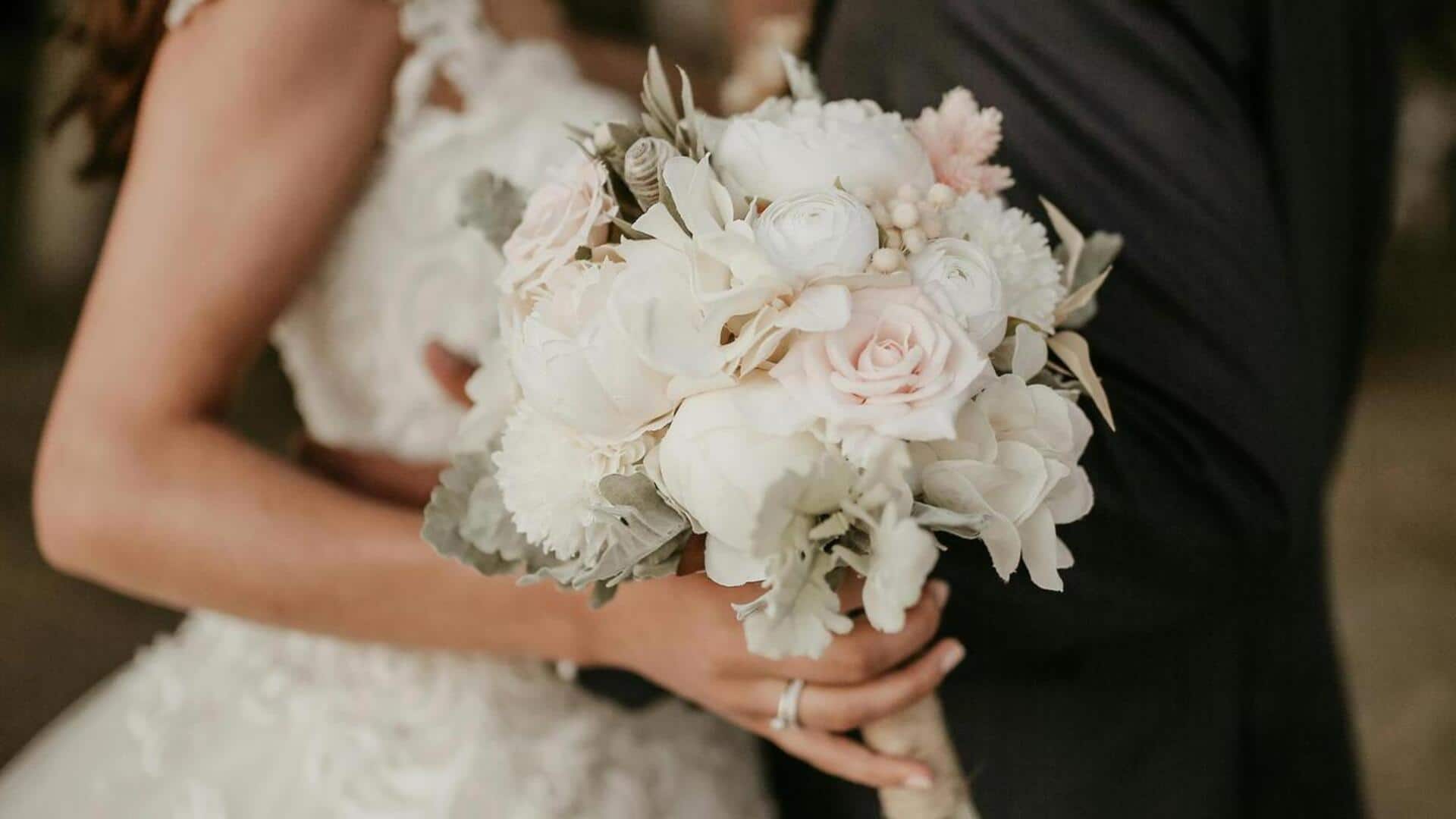
Traditional Andorran wedding attire also reflects the culture's unique identity. The bride usually wears a dress with lace detailing, while the groom opts for a suit with traditional accessories like a beret or sash. These outfits are often made by local artisans, showcasing the craftsmanship of the region.
Music tradition
Music and dance as celebration
Music and dance are integral to Andorran weddings, with traditional folk songs setting the tone for the celebration. Guests join in dances that have been passed down through generations, creating an atmosphere of joy and community spirit. Musicians often play instruments native to Andorra, adding to the authenticity of the experience.
Gift tradition
Symbolic gifts exchanged by guests
Guests also participate in Andorran weddings by giving symbolic gifts to the couple. These gifts are often handmade or locally sourced items that represent good luck or prosperity. The practice emphasizes community support and well-wishes for the couple's future together.
Feast tradition
Feasting on local delicacies
No Andorran wedding is complete without a feast of local delicacies. Traditional dishes such as trinxat (a potato and cabbage dish) and coques (flatbreads) are served, showcasing the region's culinary heritage. The meal is a communal affair, where everyone shares in the abundance of locally sourced ingredients.