
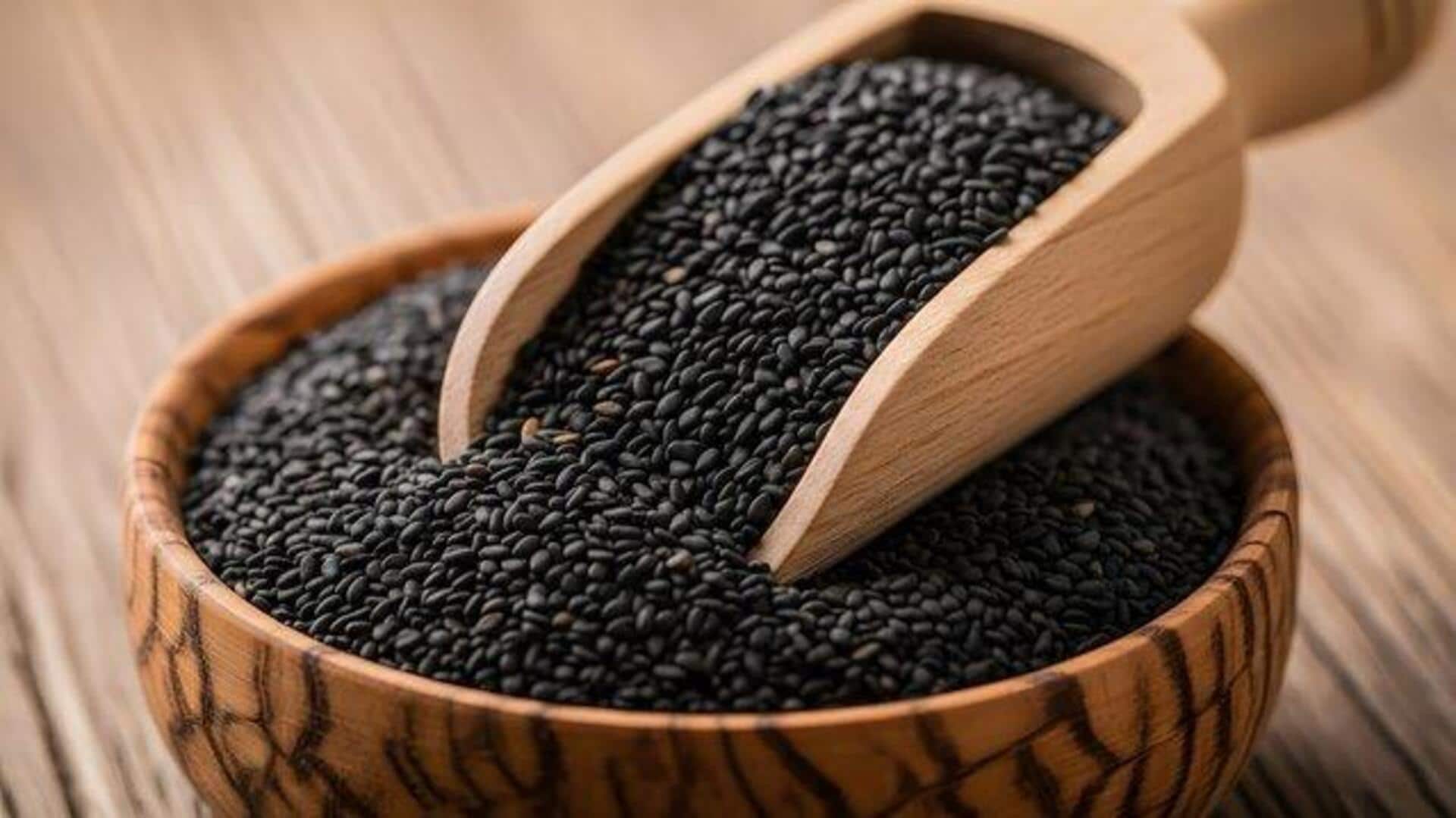
How to grow kalonji seeds on your balcony
What's the story
Kalonji seeds, popularly known as black cumin or Nigella sativa, are a must-have in every kitchen. They are easy to grow, especially in limited spaces like balconies. With just a few essentials, you can have a steady supply of fresh kalonji seeds at home. Here's how you can grow kalonji seeds on your balcony.
Container choice
Selecting the right container
Choosing the right container is important for growing kalonji seeds. A pot with a minimum depth of six inches is recommended to accommodate the root system. Ensure that the container has drainage holes to avoid waterlogging, which can damage the plant. Using lightweight materials like plastic or terracotta can make it easier to move the pot around if needed.
Soil mix
Soil preparation techniques
Kalonji seeds prefer well-draining soil with a pH level between six and seven. A mixture of potting soil, sand, and compost works best to provide nutrients while ensuring good drainage. Before planting, moisten the soil slightly but avoid over-watering it. This preparation creates an ideal environment for seed germination.
Planting tips
Planting and watering guidelines
To plant kalonji seeds, sow them about half an inch deep into the prepared soil mix. Space them evenly across the surface of the container to prevent overcrowding as they grow. Water gently after planting to settle the soil around the seeds without displacing them. Maintain consistent moisture by watering regularly but avoid letting water accumulate at the bottom of the pot.
Light exposure
Light requirements for growth
Kalonji plants require plenty of sunlight to thrive indoors on a balcony garden setup. Place your container where it gets at least six hours of direct sunlight every day. If natural light is insufficient, consider using grow lights as an alternative source of illumination during cloudy days or shorter daylight hours.
Harvest time
Harvesting your kalonji seeds
Once your kalonji plants have matured (about three months), you will notice the flowers blooming before the pods form. Wait for the pods to turn brown and dry out completely before harvesting. This ensures the seeds inside are fully developed and ready for use in cooking or as a spice ingredient.