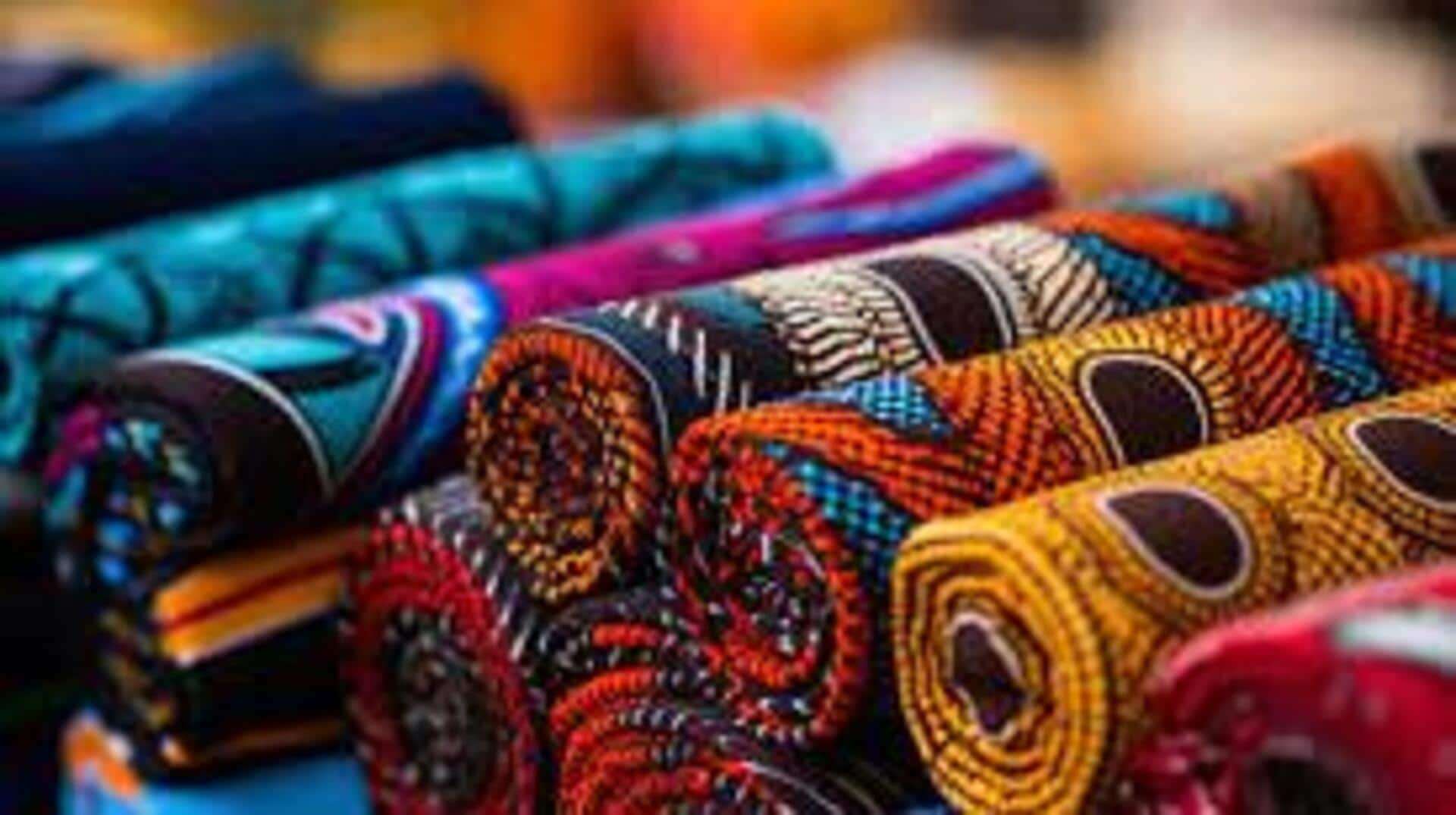
Heard of Baoule weaving?
What's the story
Baoule weaving is a traditional craft from the Ivory Coast, famous for its intricate patterns and vibrant colors. The art has been passed down generations, serving as a cultural emblem for the Baoule people. From being a means of livelihood to a cultural identity, Baoule weaving is now being recognized globally for its unique beauty and craftsmanship. Here's how this timeless craft is making waves in the modern world.
#1
The history behind Baoule weaving
Baoule weaving dates back centuries, with roots in the rich cultural heritage of the Baoule people.
Traditionally, it was used to make clothes and household items.
The weavers would use locally sourced materials like cotton and palm fibers to create their masterpieces.
Over time, these pieces became known for their geometric designs and bright colors, which tell stories or represent symbols important to the community.
#2
Techniques passed down generations
The techniques used in Baoule weaving have been passed down through generations, preserving the authenticity of the craft.
Weavers use simple tools like looms to create complex patterns that require great skill and patience.
Each piece is made with precision, reflecting the weaver's expertise and understanding of traditional methods.
Despite modern influences, these techniques remain true to their origins.
#3
Modern adaptations in fashion
In recent years, Baoule weaving has found its way into modern fashion trends, both locally and internationally.
Designers are incorporating these traditional patterns into contemporary clothing lines, bridging the gap between heritage and modernity.
This adaptation not only gives new life to an age-old craft but also opens up new avenues for artisans to showcase their work on global platforms.
#4
Economic impact on local communities
The growing interest in Baoule weaving has had a positive economic impact on local communities in Ivory Coast.
By participating in this craft, artisans are able to earn a sustainable income while preserving their cultural heritage.
The demand for these woven products has led to increased sales at local markets and online platforms, contributing to community development initiatives.