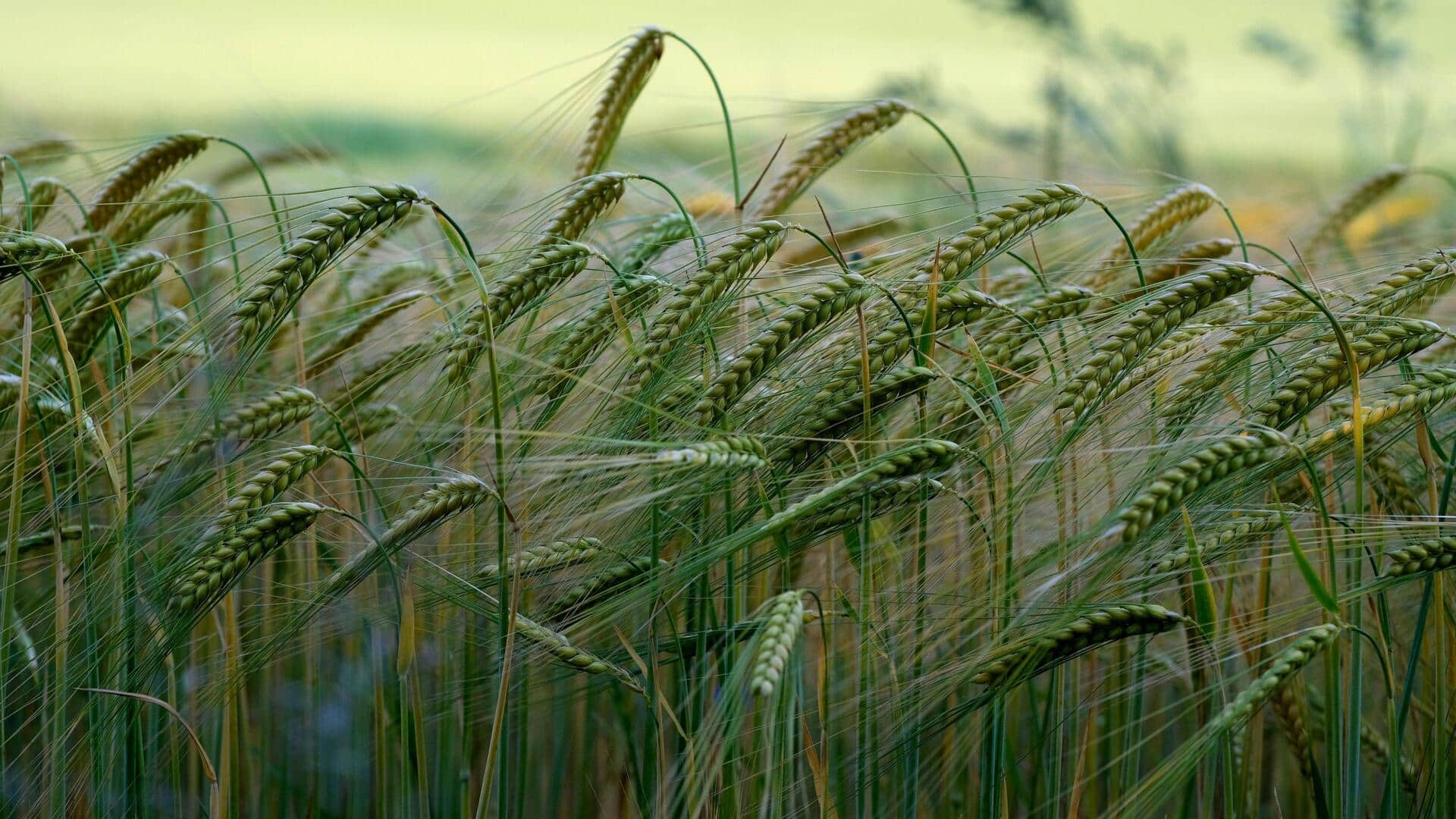
Comparing barley and buckwheat: Which is healthier?
What's the story
Barley and buckwheat are two grains that have been a part of our diets for centuries. Both have their own nutritional benefits, making them a great addition to a balanced diet. While barley is a cereal grain, buckwheat is a pseudo-cereal, which means it is not a part of the grass family but can be used similarly to grains. Let's take a look at their nutritional profiles to see how they compare.
#1
Fiber content in barley and buckwheat
Barley is famous for its high fiber content, especially beta-glucan, which promotes heart health by lowering cholesterol levels.
A serving of cooked barley has about six grams of fiber.
Buckwheat also packs a punch with fiber, but in slightly lower amounts than barley. It has around five grams per serving.
Both grains promote healthy digestion and can help with weight management by keeping you full.
#2
Protein levels in each grain
When it comes to protein, both barley and buckwheat offer decent amounts.
Barley has about three grams of protein per serving, while buckwheat offers around six grams per serving.
Buckwheat's higher protein content makes it an excellent choice for vegetarians looking for plant-based protein sources.
Both grains provide essential amino acids that contribute to muscle repair and growth.
#3
Vitamin and mineral content analysis
Barley is rich in vitamins such as B vitamins, including niacin and thiamine, and minerals like magnesium and phosphorus. These nutrients are essential for energy production and bone health.
Buckwheat is also rich in B vitamins but stands out with its high manganese content, which is important for metabolism and bone formation.
Both grains contribute significantly to your daily vitamin and mineral intake.
#4
Glycemic index considerations
The glycemic index (GI) measures how quickly foods raise blood sugar levels after eating.
Barley has a lower GI than many other grains, making it suitable for those managing blood sugar levels or diabetes.
Buckwheat also has a low GI value, making it ideal for those looking to maintain stable blood sugar levels post-meal, without spikes or crashes commonly associated with high-GI foods like white rice or pasta alternatives available today.