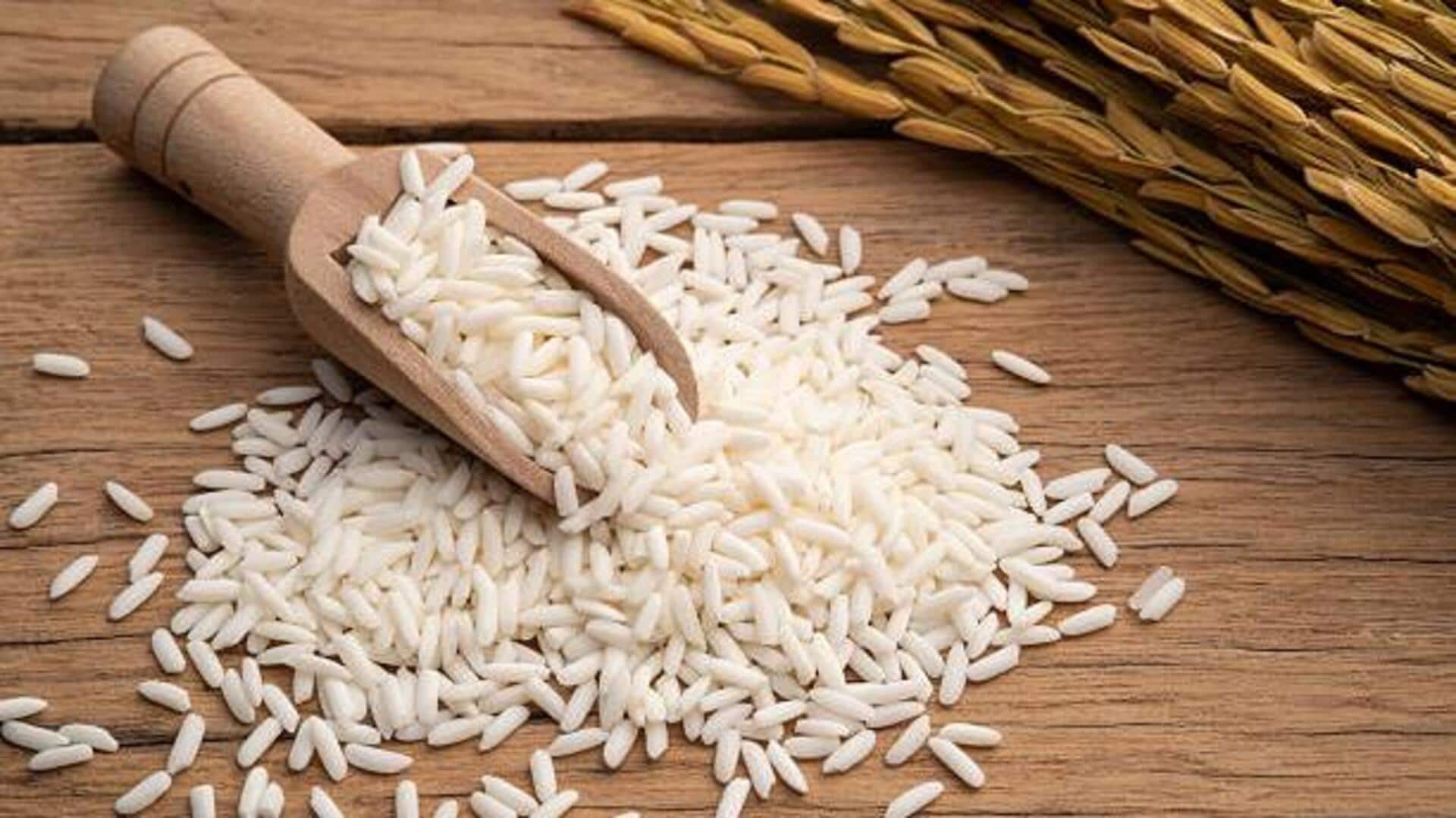
Basmati rice v/s jasmine rice: Comparing their nutrition
What's the story
Basmati and white jasmine rice are two of the most popular rice varieties, both of which have their own unique flavors and textures. While basmati rice is long-grained and aromatic, jasmine rice is known for its soft texture. Both types of rice are widely used in different cuisines around the world. Knowing the nutritional differences between these two can help you make informed dietary choices.
#1
Nutritional profile of basmati rice
Basmati rice has a low glycemic index, making it a good option for people who want to control their blood sugar levels.
It has about 112 calories per 100 grams and is low in fat.
Basmati also has some essential nutrients, such as thiamine, niacin, and folate.
Its fiber content is higher than most other white rices, which promotes digestion and overall health.
#2
Nutritional profile of jasmine rice
Jasmine rice is also a good source of energy with around 130 calories per 100 grams.
It has a higher glycemic index than basmati, which means it may cause a quicker rise in blood sugar levels.
Jasmine rice has small amounts of vitamins like thiamine and niacin, but lacks fiber when compared to basmati.
Its soft texture makes it ideal for dishes requiring sticky or creamy consistency.
#3
Cooking methods impact nutrition
The way you cook these rices can also affect their nutritional value.
For instance, rinsing basmati before cooking removes excess starch, keeping its low glycemic index intact.
On the other hand, jasmine rice is usually steamed or boiled without rinsing to retain its natural stickiness.
Using less water while cooking can also reduce calorie intake by minimizing absorption during cooking.
Tip 1
Cost considerations when choosing rice varieties
When choosing between basmati and jasmine rice, cost is an important factor.
Basmati tends to be more expensive, owing to its unique growing conditions and longer grains, which are prized in culinary applications.
Jasmine is usually cheaper, owing to its wider availability and shorter growing cycles, making it a more affordable option for everyday meals, without compromising on taste or texture.