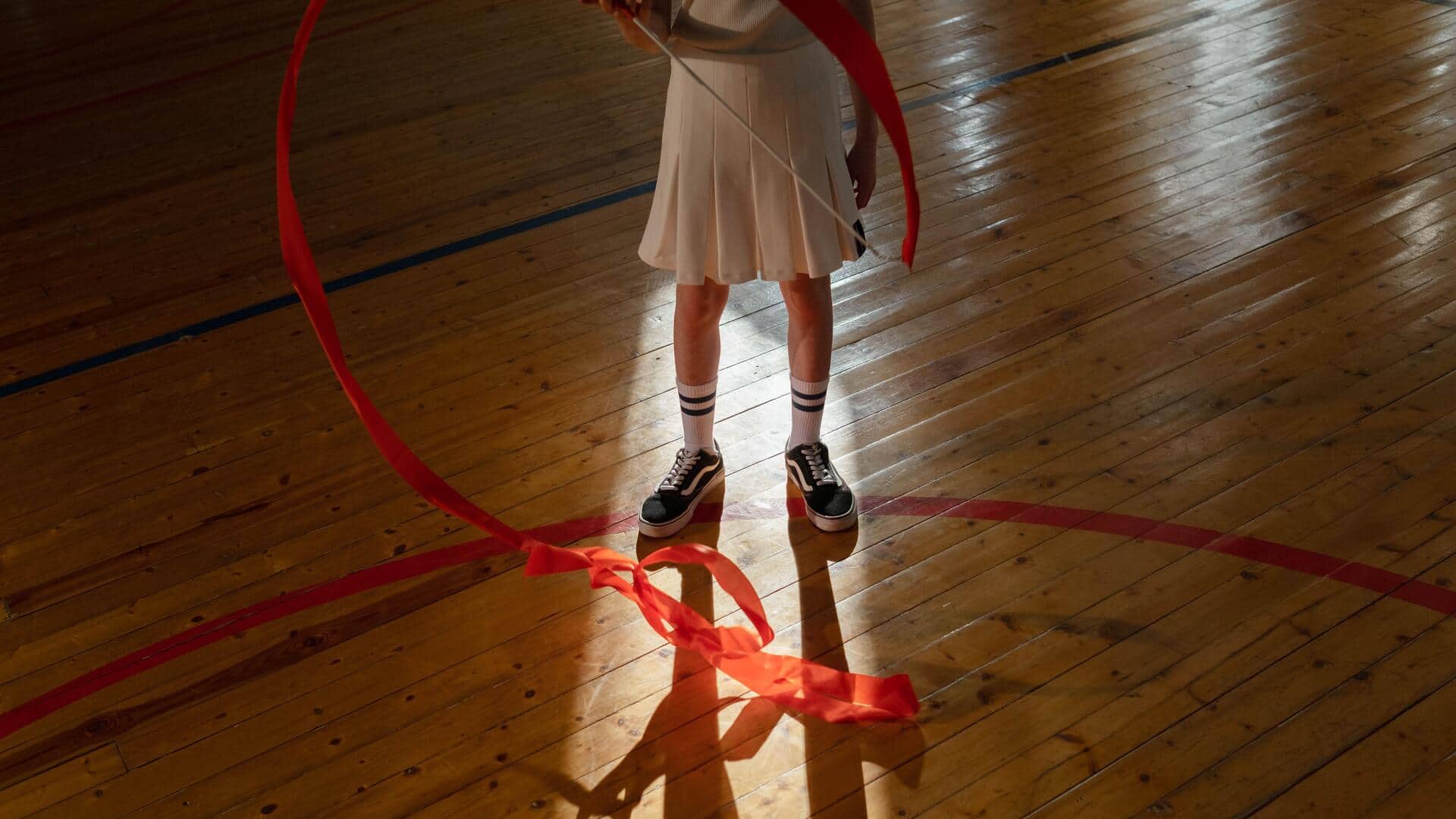
Baton twirling: The sport that mixes dance and acrobatics
What's the story
Baton twirling is a unique sport that combines dance, acrobatics, and coordination. While it is often associated with parades and halftime shows, baton twirling offers a range of benefits that go beyond the physical. From enhancing mental focus to boosting confidence, baton twirling can be a rewarding activity for people of all ages. Here are five surprising benefits of this dynamic sport.
#1
Enhances coordination and balance
Baton twirling involves a lot of intricate movements that require precise timing and coordination.
As participants learn to manipulate the baton while performing various tricks and routines, they develop better hand-eye coordination and balance.
This improved coordination can translate into better performance in other sports or activities that require similar skills.
#2
Boosts mental focus
The complex routines in baton twirling demand a lot of concentration and mental discipline.
As performers practice these routines, they learn to focus their minds on the task at hand while ignoring distractions.
This enhanced mental focus can be beneficial in daily life situations where concentration is key to success.
#3
Encourages physical fitness
Baton twirling is a full-body workout that improves cardiovascular health, strength, flexibility, and endurance.
The energetic moves involved in this sport require you to engage multiple muscle groups at once.
This not only helps you stay fit, but also makes you more agile and nimble.
Regular practice can help you achieve a healthy weight and improve your overall physical health.
#4
Builds confidence through performance
Performing in front of an audience is a big part of baton twirling.
It allows participants to build self-confidence as they master routines and showcase their skills.
The more they perform, the more they become comfortable on stage, which translates into better self-esteem, both on and off the stage.
#5
Fosters social connections
Joining a baton twirling group or team opens up avenues for socializing with people who share the same interests.
These groups often turn into tight-knit communities where members support each other through practice sessions and performances.
The camaraderie built within these groups makes for lasting friendships beyond just the sport itself.