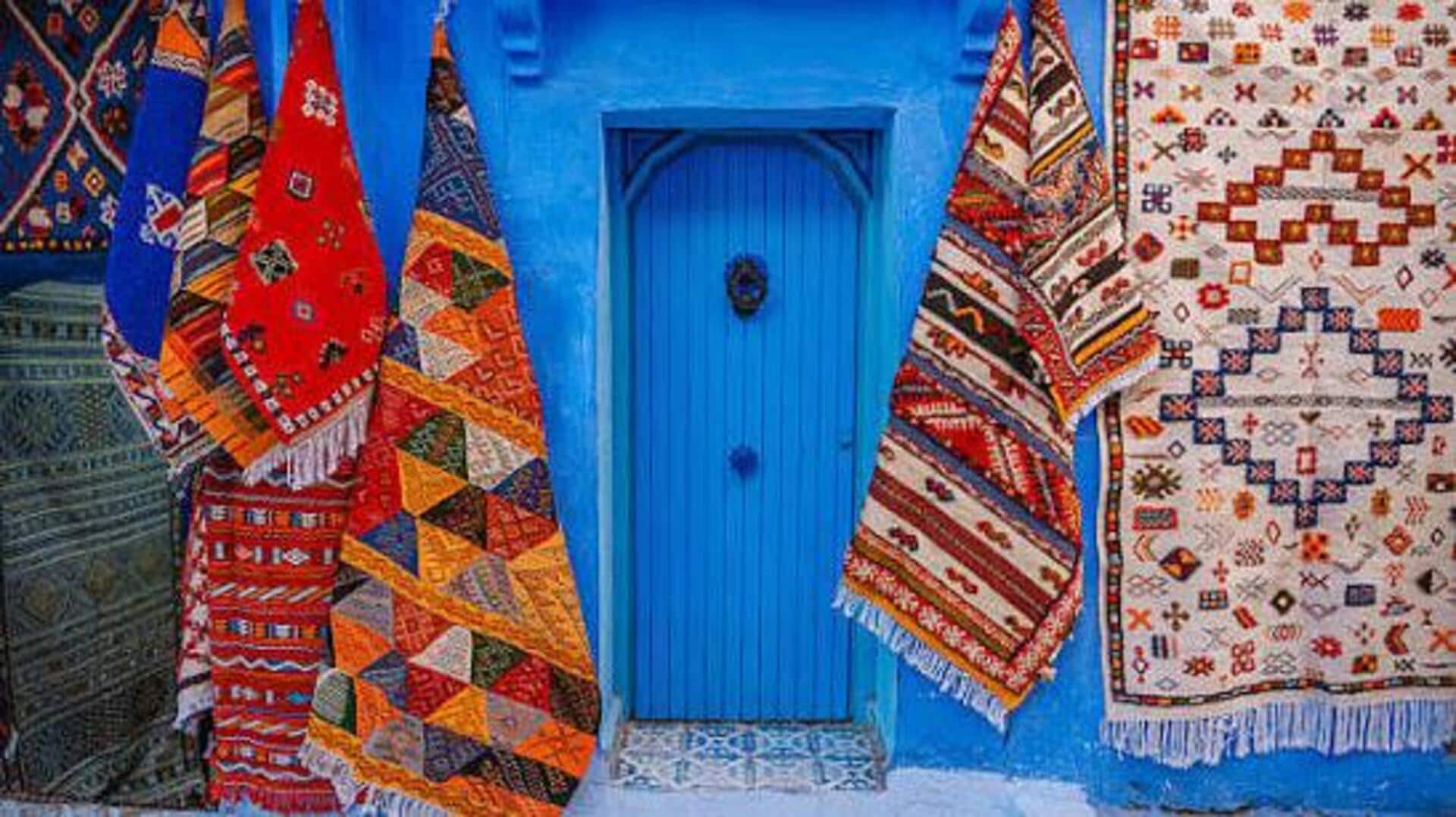
What are Bedouin rugs? Why are they so popular?
What's the story
Bedouin weaving is an ancient craft that has been passed down through generations. It is a unique art form that combines traditional techniques with modern design elements. The result is a fusion of the past and the present, creating rugs that are both functional and aesthetically pleasing. These rugs are not just decorative pieces but also carry cultural significance, reflecting the rich heritage of Bedouin communities.
Weaving techniques
The art of Bedouin weaving
Bedouin weaving employs age-old techniques, using simple tools to create intricate patterns.
The weavers use natural fibers, like wool and goat hair, to make durable and versatile rugs.
The patterns often have geometric shapes and motifs inspired by nature.
The process requires skill and patience, as each rug is handcrafted with precision.
Contemporary styles
Modern influences on design
In recent years, Bedouin weaving has seen a shift toward modern design influences.
While traditional patterns are still prevalent, contemporary styles incorporate bold colors and abstract designs.
This blend appeals to a wider audience, making Bedouin rugs a popular choice for modern interiors.
The fusion of old and new offers versatility in decor settings.
Heritage preservation
Cultural significance of rugs
Bedouin rugs are more than just decorative items; they are a testament to the rich cultural heritage of the Bedouin people.
Each rug tells a story, often depicting historical events or daily life in Bedouin communities.
By preserving these traditional weaving techniques, artisans ensure that their cultural identity is maintained for future generations.
Artisan livelihoods
Economic impact on communities
The production of Bedouin rugs also contributes significantly to the economic well-being of many communities.
Artisans earn a living by selling their handcrafted pieces locally and internationally.
The demand for these unique rugs helps sustain traditional crafts while providing income opportunities for families involved in the weaving process.