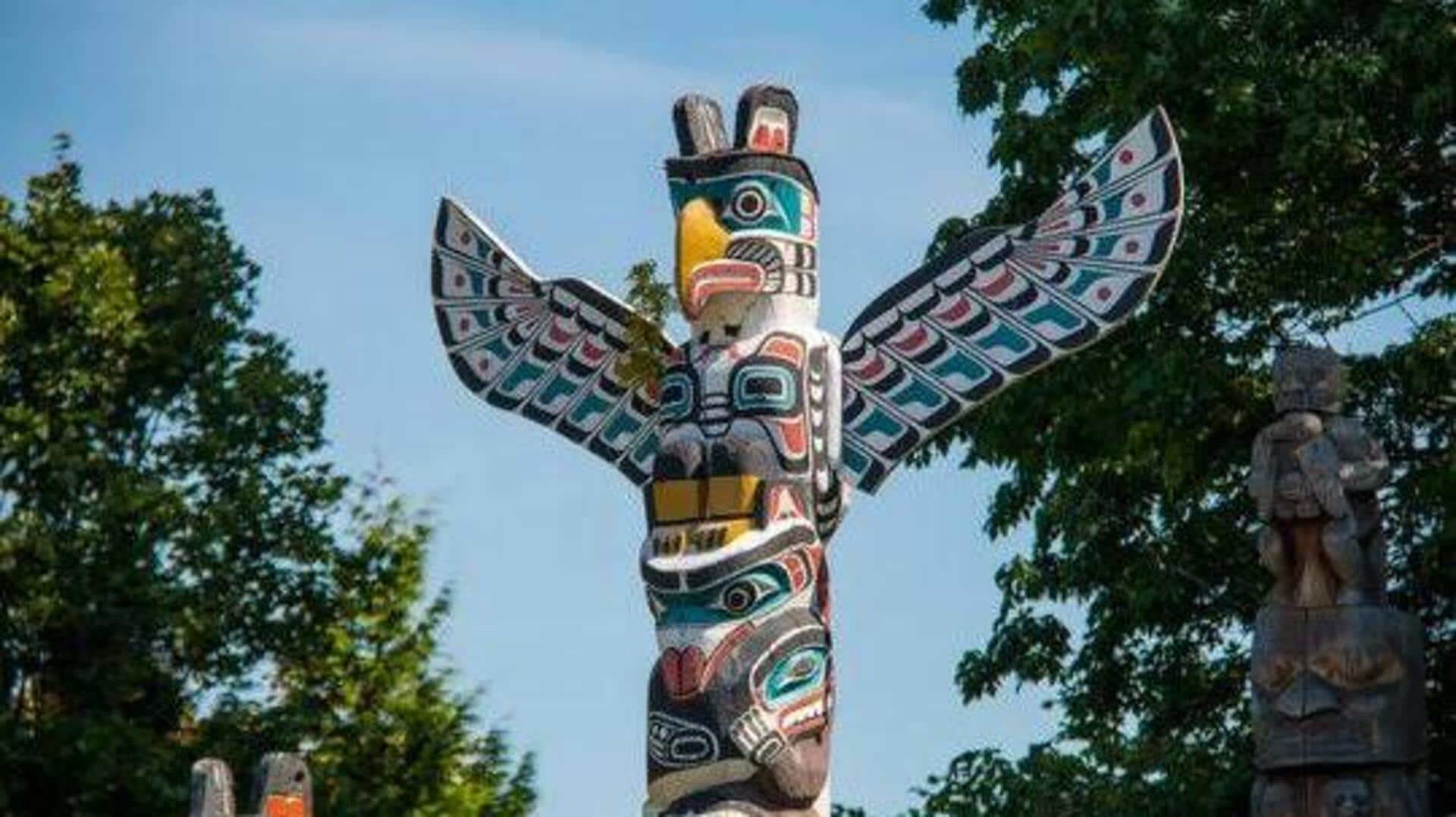
Totems: All about these ancient spiritual symbols
What's the story
Cameroonian totems, which are an integral part of the country's rich cultural heritage, are now being reimagined as modern sculptures. The traditional totems, which were once used for spiritual and communal purposes, are now being adapted by contemporary artists to create unique pieces that reflect both tradition and modernity. This fusion of old and new offers a fresh perspective on African art and its evolution in today's world.
#1
The cultural significance of totems
Traditionally, Cameroonian totems were not just decorative pieces but held deep spiritual and social significance. They represented ancestral spirits, community values, and were often used in rituals.
Each totem had its own meaning based on the community it belonged to.
Today, artists are incorporating these meanings into their modern sculptures, keeping the essence alive while appealing to a global audience.
#2
Techniques in modern sculpture
Modern sculptors are employing a variety of techniques to reinterpret Cameroonian totems.
From traditional carving methods to modern materials like metal and glass, these artists are experimenting with different forms and textures.
The use of mixed media allows for greater expression and innovation, while still paying homage to the original designs.
#3
Impact on local communities
The reimagining of totems into modern sculptures has a positive impact on local communities in Cameroon. It creates job opportunities for artisans who work with these artists.
It also promotes cultural tourism, as visitors are drawn to see how traditional art is being transformed for contemporary tastes.
#4
Global recognition of Cameroonian art
As these modern sculptures gain popularity, Cameroonian art is getting global recognition.
Exhibitions showcasing this fusion of tradition and modernity attract international attention from collectors and enthusiasts alike.
This exposure not only elevates the status of African art on the world stage, but also encourages more artists to explore their cultural heritage through contemporary lenses.