
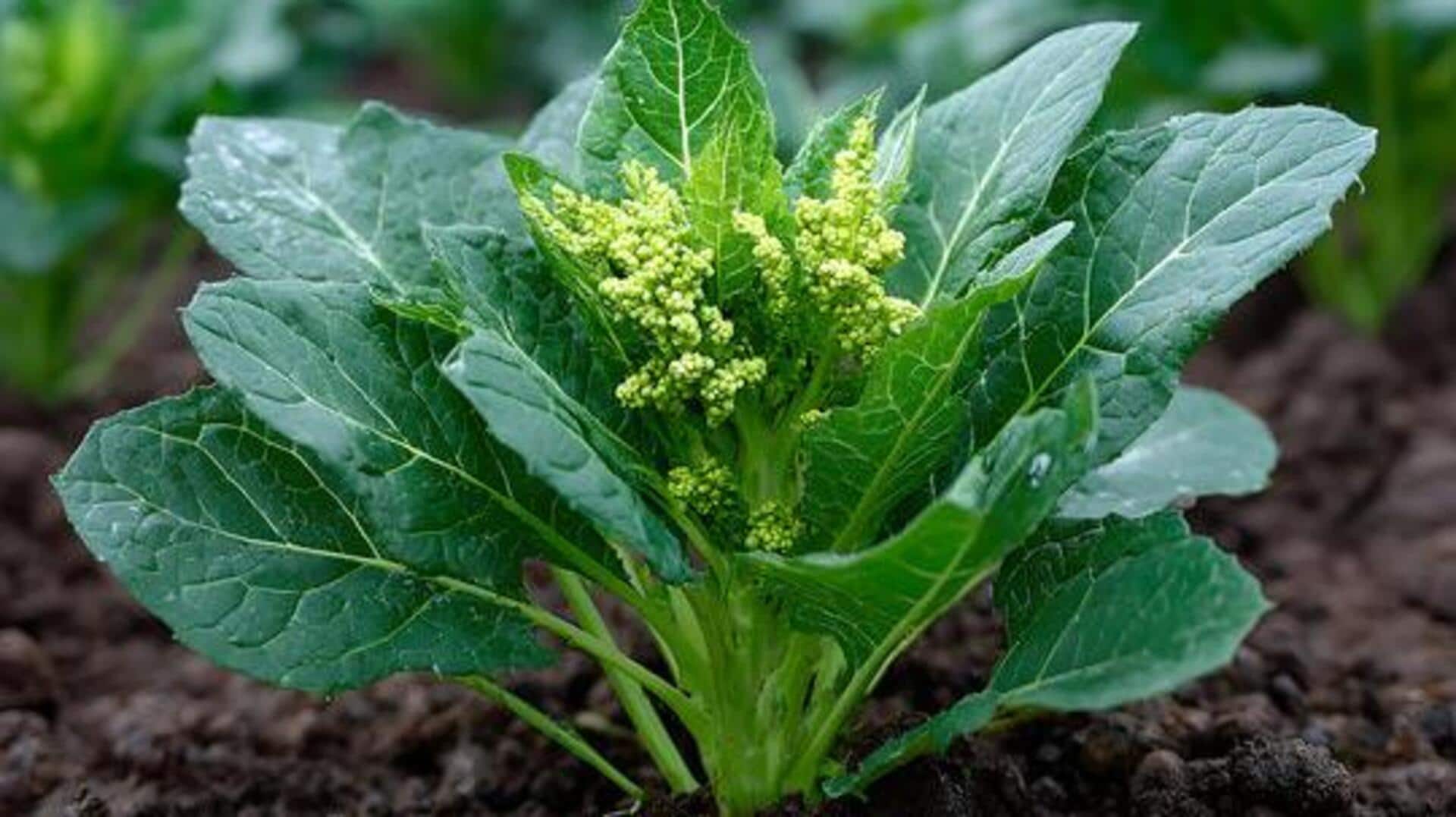
Indoor gardening 101: How to grow bathua
What's the story
Growing chenopodium, popularly known as bathua, in containers is an easy way to add this nutritious green to your diet. Chenopodium is a hardy plant that flourishes in a variety of conditions, making it ideal for container gardening. With the right tips, you can grow bathua at home and enjoy its health benefits. Here are some practical tips to grow bathua in containers.
Tip 1
Choosing the right container
Selecting an appropriate container is essential for growing bathua. Pick containers that are at least 12 inches deep to allow the roots to grow well. Ensure that the container has drainage holes to prevent waterlogging, which can damage the roots. Plastic or clay pots are good options as they retain moisture well and are lightweight enough to move around if needed.
Tip 2
Soil and planting requirements
Bathua grows best in well-draining soil rich in organic matter. Use a potting mix that contains compost or well-rotted manure to provide essential nutrients. Sow seeds directly into the soil about half an inch deep and cover lightly with soil. Water gently after planting to keep the soil moist but not soggy.
Tip 3
Watering and sunlight needs
Bathua needs regular watering but avoid overwatering as it can lead to root rot. Water when the top inch of soil feels dry to touch. Place your container where it gets full sun for at least six hours a day, as bathua thrives under bright light conditions.
Tip 4
Fertilizing for healthy growth
To ensure healthy growth of bathua, fertilize it every four weeks with a balanced liquid fertilizer or organic options like fish emulsion or seaweed extract. This will provide the necessary nutrients throughout its growing cycle without overwhelming the plant with excess nitrogen that could lead to lush foliage at the expense of flavor.
Tip 5
Harvesting tips for optimal yield
Harvesting bathua regularly encourages new growth and prevents bolting, or going to seed prematurely. Use scissors or garden shears to cut leaves just above ground level when they are young and tender, usually within six weeks after sowing seeds. This encourages bushier plants over time, while ensuring a continuous supply throughout the season if managed properly.