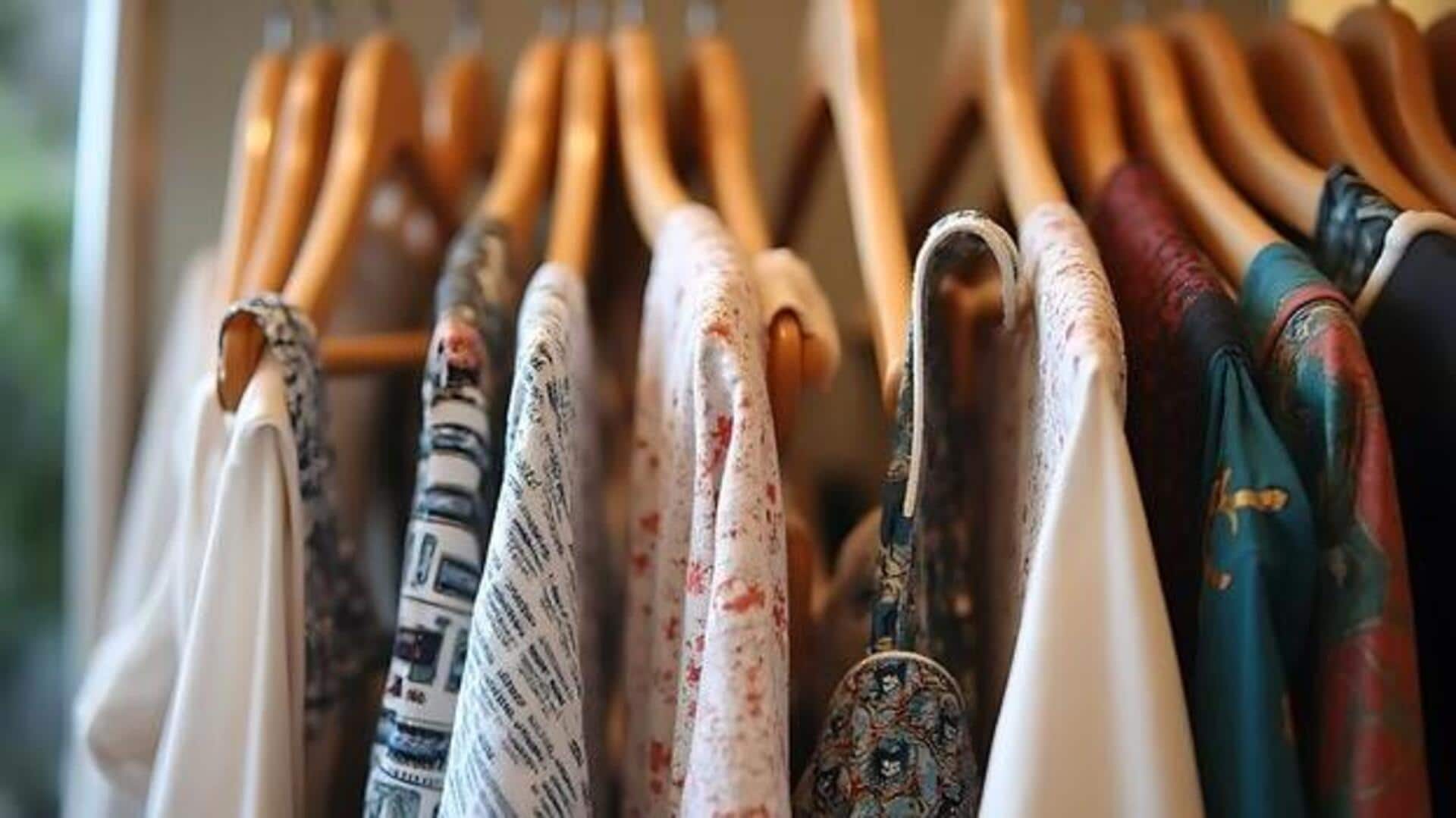
Add flair to your winter outfits with chevron patterns
What's the story
Chevron patterns, with their distinctive V-shaped design, have been a staple in African fashion for ages. This geometric motif is now making waves in winter wardrobes across the globe, thanks to its versatility and timeless appeal. From traditional textiles to modern interpretations, chevron patterns are adding a unique flair to winter attire. Here are five ways this pattern is updating African-inspired winter wardrobes.
#1
Bold chevron knitwear
Chevron patterns are also being used in bold knitwear like sweaters and cardigans.
These pieces not only add visual interest but also provide warmth during the colder months.
The use of thick yarns and vibrant colors makes these garments stand out, while keeping the traditional essence of African textiles alive.
#2
Chevron patterned accessories
Accessories like scarves, hats, and gloves with chevron patterns are becoming popular choices for adding a touch of style to any winter outfit.
These items allow individuals to incorporate this trend without committing to full garments.
The versatility of accessories makes them suitable for all ages and genders.
#3
Layered chevron outfits
Layering is key during winter, and outfits that incorporate chevron patterns in multiple layers can be both practical and fashionable.
Pairing chevron tops with solid bottoms or vice versa creates a balanced look that highlights the pattern without overwhelming the wearer.
This approach allows for creativity in styling while ensuring comfort.
#4
Chevron patterned outerwear
Outerwear is essential during winter, and jackets or coats featuring chevron designs make an impact.
These pieces not only serve the purpose of keeping warm but also make a fashion statement with their eye-catching patterns.
From traditional fabrics to modern materials, the options are plenty to suit different tastes.
#5
Mixing Chevron with other patterns
Combining chevron patterns with other designs like tribal prints or floral motifs can make for unique winter looks.
Mixing these elements gives room for personal expression while paying homage to the rich tapestry of African culture.
The key is to find a balance between patterns so that they complement rather than compete with each other.