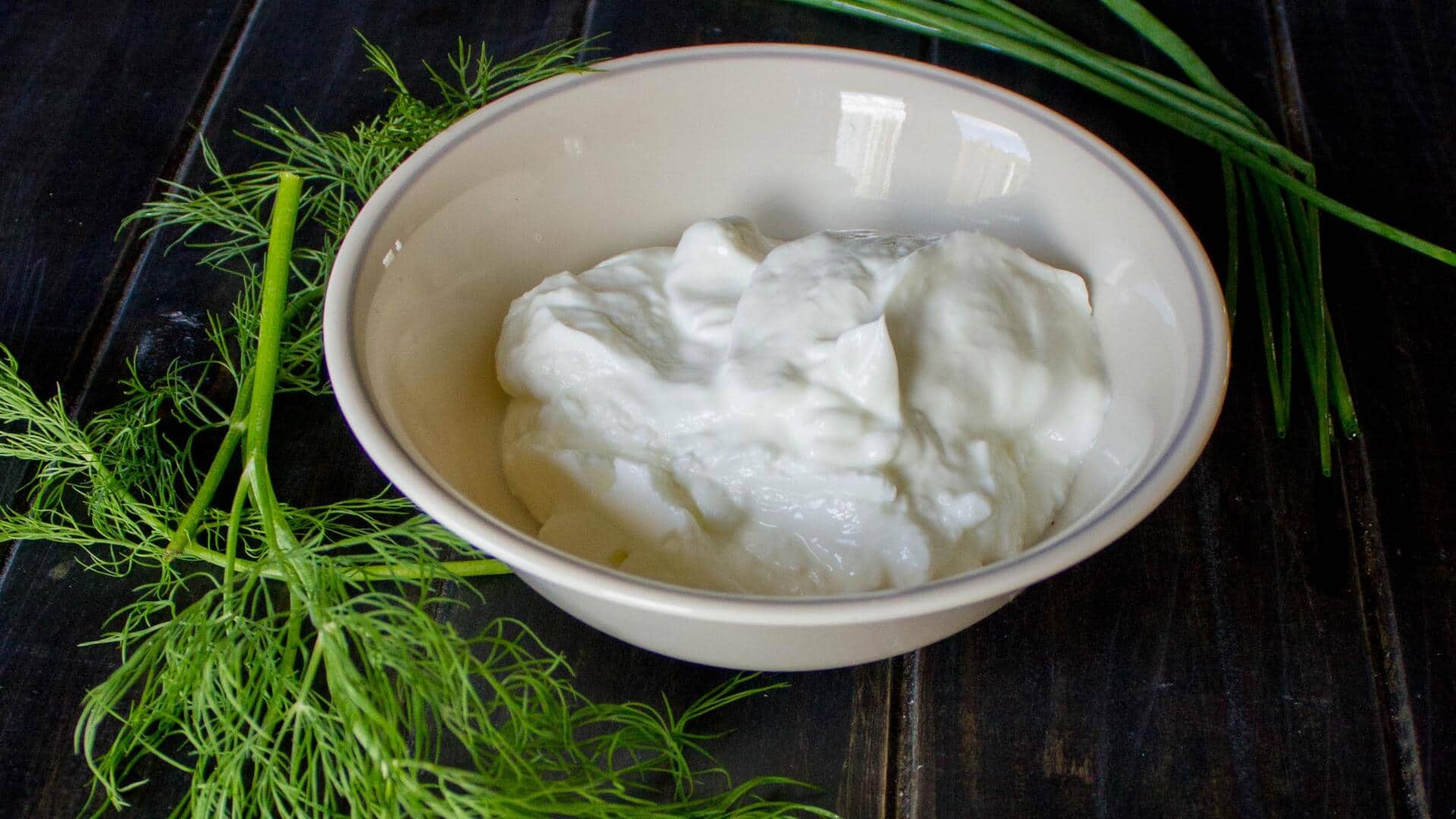
Chives v/s dill: Which is more nutritious?
What's the story
Chives and dill are two of the most popular herbs used to enhance the flavor of various dishes. While both lend a unique taste to the table, they also come with their own nutritional benefits. Knowing the nutritional value of chives and dill can help you make informed choices about what to include in your diet. Here's a look at the nutrition of chives and dill.
#1
Vitamins and minerals in chives
Chives are a great source of vitamins A and C, which are essential for healthy skin and immune function. They also have vitamin K, which is important for bone health. Chives also provide minerals such as calcium and potassium that help with muscle function and bone strength. Adding chives to your meals can give you a healthy dose of these essential nutrients.
#2
Dill's antioxidant properties
Dill is rich in antioxidants, such as flavonoids and tannins, which help protect cells from damage by free radicals. These antioxidants can help reduce inflammation in the body. Dill also has essential oils with antimicrobial properties that may help fight infections. Adding dill to your diet may help improve overall health by providing these protective benefits.
#3
Fiber content in chives and dill
While chives contain some fiber, dill has a slightly higher fiber content per serving. Fiber is important for digestive health as it promotes regular bowel movements and prevents constipation. Including fiber-rich foods in your diet can also help you maintain a healthy weight by keeping you full longer after meals.
Tip 1
Culinary uses enhancing nutrition
Both chives and dill can be easily added to different dishes without overpowering them, making them versatile options for boosting nutrition without compromising on taste. Chives go well with salads, soups, or as a garnish on baked potatoes, while dill is commonly used with pickles or as seasoning for vegetable dishes.