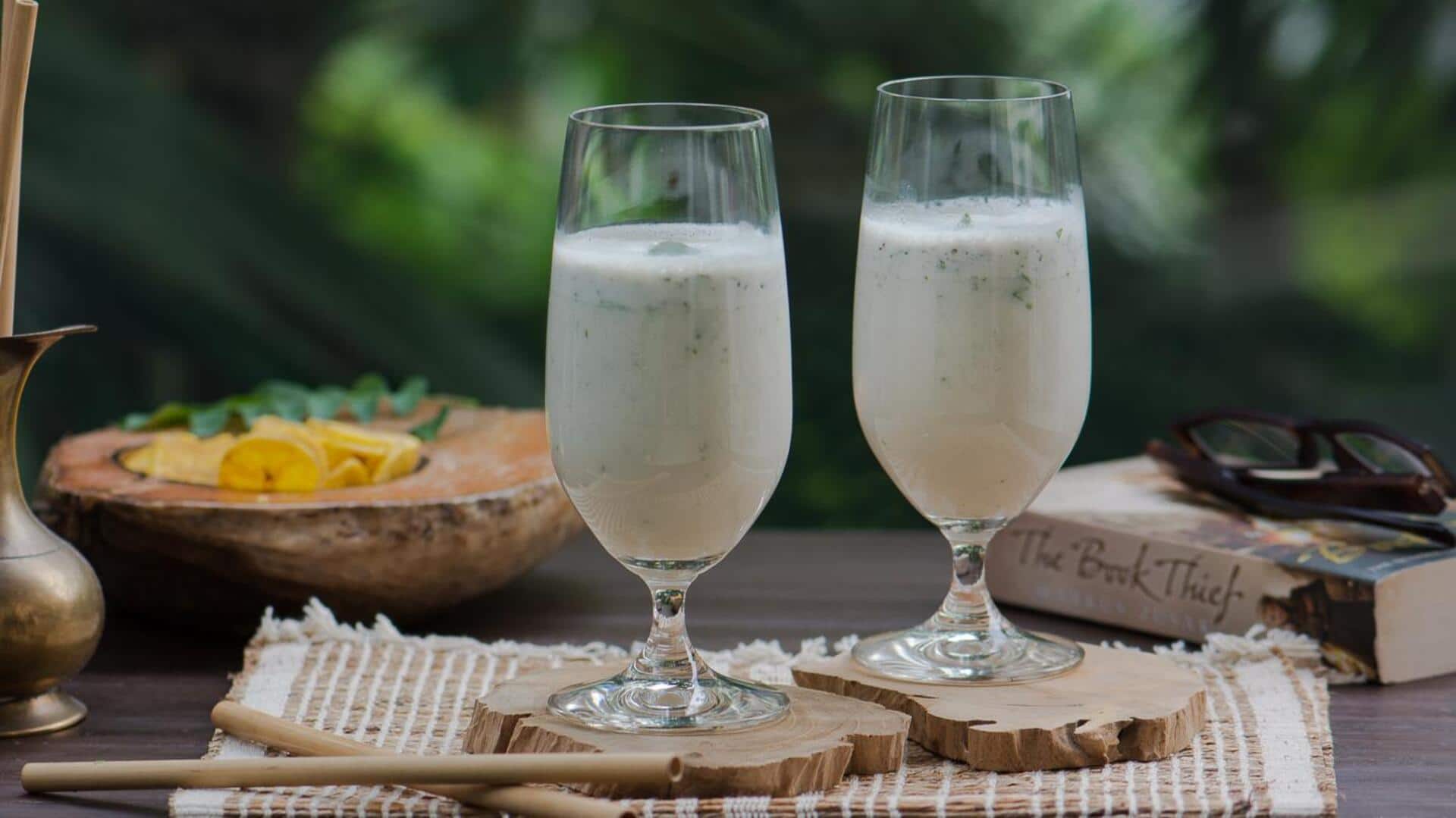
Coconut water v/s buttermilk: Which keeps you hydrated better?
What's the story
Coconut water and buttermilk are two popular beverages that are often consumed for their refreshing qualities. Both drinks are known for their hydrating properties, making them ideal choices during hot weather or after physical activity. While coconut water is derived from young coconuts, buttermilk is a fermented dairy product. Each drink has its own unique set of benefits and nutritional profile, which can influence hydration levels differently.
#1
Nutritional content comparison
Coconut water is rich in electrolytes like potassium, sodium, and magnesium. These minerals are essential for maintaining fluid balance in the body.
A typical serving of coconut water contains about 600 mg of potassium, which helps replace lost electrolytes after sweating.
On the other hand, buttermilk provides calcium, phosphorus, and B vitamins. It also contains probiotics that aid digestion and gut health.
#2
Caloric value analysis
Coconut water has a low-calorie count, with around 45 calories per cup. This makes it a great option for those looking to stay hydrated without consuming too many calories.
Buttermilk has a higher calorie count of about 100 calories per cup owing to its fat content from dairy. However, this higher calorie count can be beneficial for those looking to consume more energy throughout the day.
#3
Hydration efficiency
Both beverages serve as good hydration sources but in different ways.
Coconut water hydrates quickly owing to its high electrolyte content, which mimics the body's natural fluids closely.
Buttermilk hydrates well too but does so slowly owing to its thicker consistency and dairy-based composition. It may not be as quickly absorbed as coconut water.
Tip 1
Taste preferences & culinary uses
The taste of coconut water is mildly sweet with a hint of nuttiness, while buttermilk has a tangy flavor due to fermentation.
Your taste preference will determine which drink you enjoy more.
Coconut water can be consumed straight or added into smoothies, while buttermilk can be used in curries or consumed plain as a cooling drink during summers.