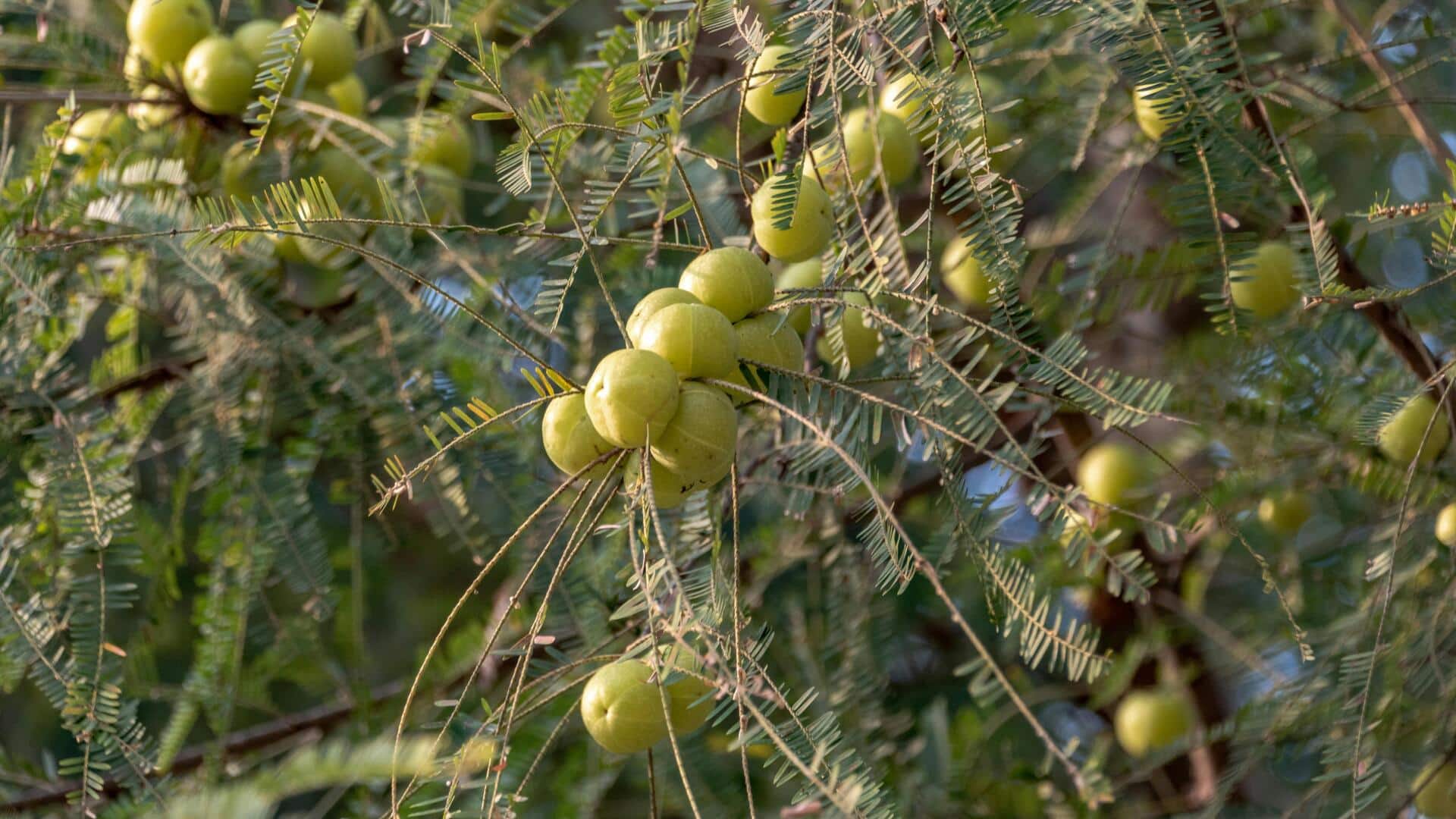
Amla v/s Guava: Which has more vitamin C?
What's the story
Amla and guava are two of the most popular fruits, known for their health benefits. Both are rich in vitamin C, but how do they compare? This article delves into the vitamin C content of amla and guava, helping you make an informed choice about which fruit you should include in your diet for an immunity boost.
#1
Vitamin C content in amla
Amla, or Indian gooseberry, is famous for its high vitamin C content. It has about 600 mg of vitamin C per 100 grams, which is way more than most fruits. The antioxidant properties of amla make it an excellent choice for boosting immunity. Its high vitamin C content helps in collagen production and protects cells from damage by free radicals.
#2
Vitamin C content in guava
Guava is another tropical fruit that packs a punch when it comes to vitamin C. It has about 228 mg of vitamin C per 100 grams. While not as much as amla, guava's vitamin C content is still impressive and makes it an excellent option for those looking to up their intake of this essential nutrient. Guava also offers other nutrients, such as fiber and folate.
#3
Health benefits beyond vitamin C
While both fruits are known for their vitamin C content, they also offer other health benefits. Amla is rich in polyphenols, which have anti-inflammatory properties, while guava is loaded with dietary fiber that aids digestion. Including these fruits in your diet can provide you with a range of nutrients that promote overall health.
Tip 1
Tips for incorporating these fruits into your diet
Incorporating amla and guava into your diet can be easy with a few simple tips. Amla can be consumed fresh, as juice or powder, added to smoothies or teas. Guava can be eaten raw or added to salads or desserts for a sweet touch. Both fruits make versatile additions to various dishes without overpowering other flavors.