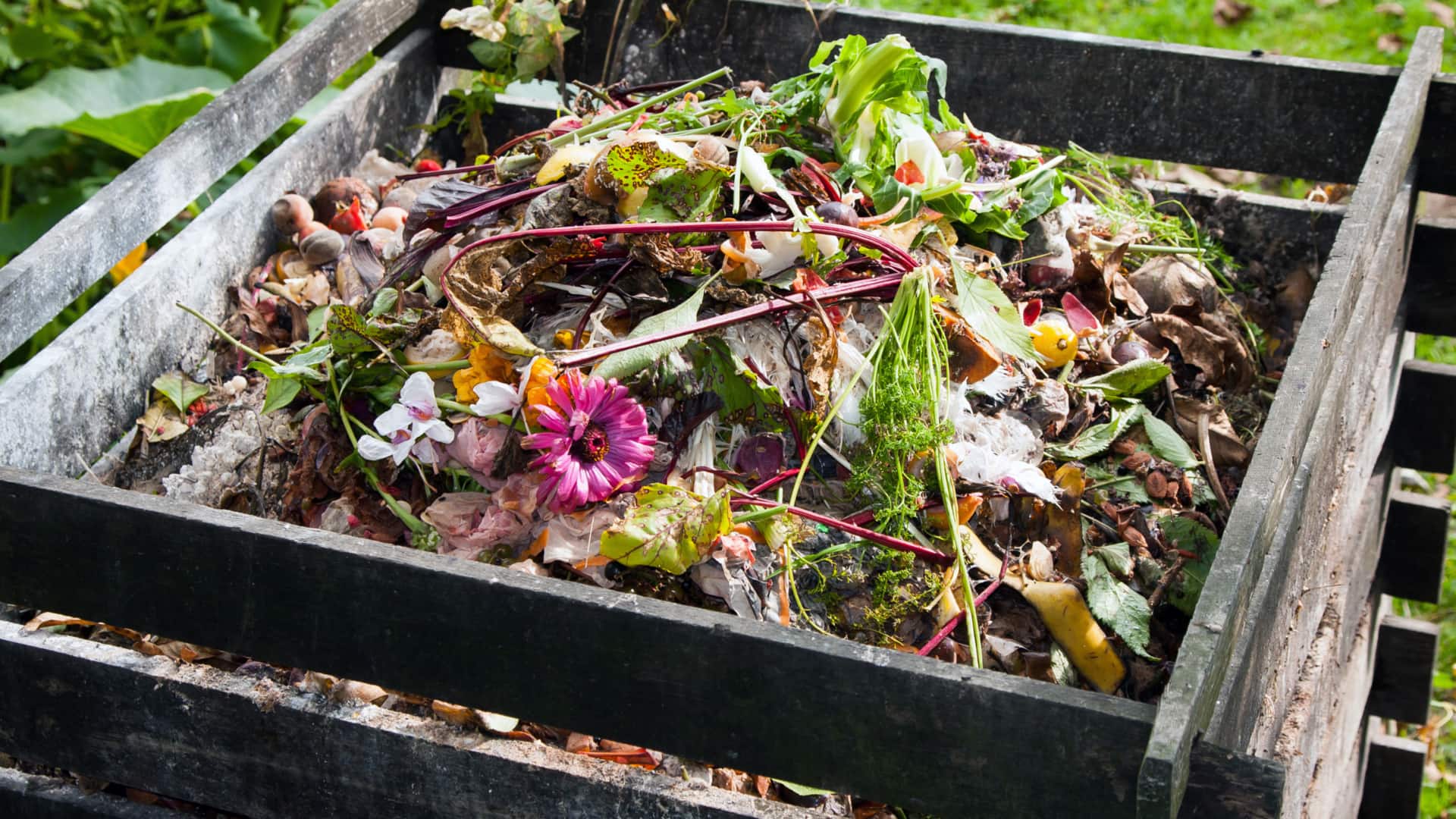
Composting in urban areas: 5 etiquette tips
What's the story
Composting is an essential practice for reducing waste and enriching soil, particularly in urban areas where space is limited. However, adhering to etiquette is key to making sure composting is effective and considerate of others. Here are five essential etiquette tips for composting in urban settings. These tips will help you manage your compost responsibly, minimize odors, and keep your neighbors happy.
Tip 1
Keep your compost bin covered
Keeping your compost bin covered is essential to keep pests at bay and contain odors. An open bin can attract unwanted animals and create unpleasant smells that may disturb neighbors. A secure lid or cover helps maintain a balanced environment inside the bin, promoting efficient decomposition without causing a nuisance.
Tip 2
Balance green and brown materials
Balancing green materials like fruit scraps with brown materials like dry leaves is key to successful composting. Too much of either can upset the composting process, resulting in slow decomposition or foul odors. By maintaining a proper ratio of greens and browns, you ensure that your compost breaks down efficiently while minimizing issues that could affect those nearby.
Tip 3
Avoid adding non-compostable items
Adding non-compostable items like plastics or metals can contaminate your compost and make it unusable for gardening or landscaping purposes. It's important to stick to organic materials only, such as vegetable peels, coffee grounds, and yard waste. This way, you keep your compost pure and avoid potential problems with neighbors who may share communal spaces.
Tip 4
Turn your compost regularly
Turning your compost regularly aerates it, speeding up decomposition and preventing compacting. This practice is especially important in urban settings where space is limited, and efficient breakdown of materials is crucial. By ensuring that your compost pile is well-aerated, you can maintain a healthy environment for microorganisms that aid in the decomposition process.
Tip 5
Communicate with neighbors about your composting practices
Open communication with neighbors about your composting practices can prevent misunderstandings or complaints down the line. Sharing information about what goes into your bin, how often you turn it, or any measures taken to mitigate odors shows consideration for those living around you. This proactive approach fosters goodwill within communities sharing common resources like trash collection points or garden plots.