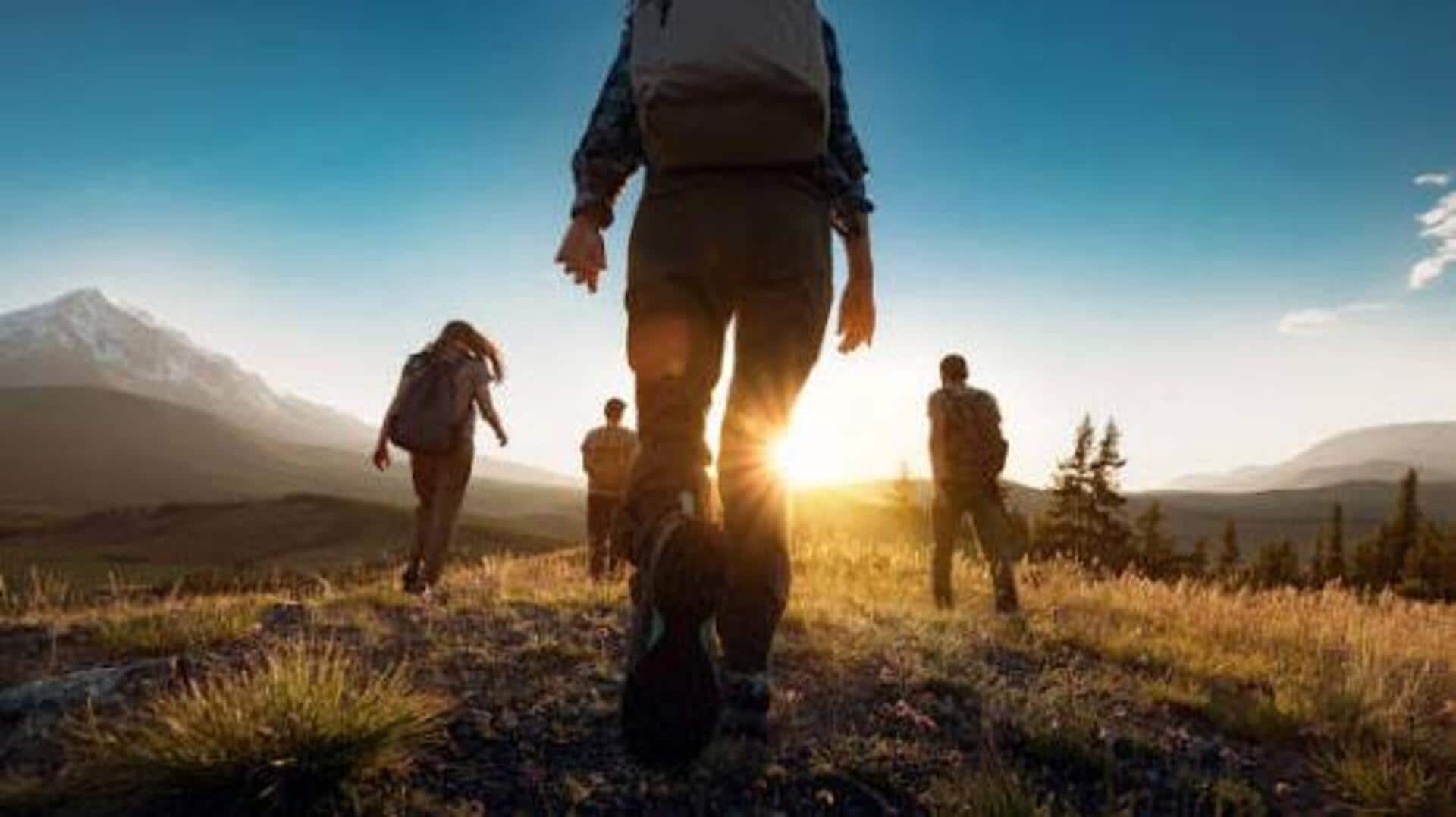
Hikers, gear up for one of Africa's toughest treks
What's the story
Uganda's Rwenzori Mountains, popularly known as the Mountains of the Moon, provide some of the most challenging mountaineering adventures in Africa. Famous for their rugged terrain and unpredictable weather, these mountains are a test of endurance and skill. With peaks rising over 5,000 meters, they provide climbers with an opportunity to experience diverse ecosystems and stunning views. Here are some insights into conquering these majestic peaks.
#1
Understanding the terrain
The Rwenzori Mountains are famous for their tricky terrain, which includes rocky paths and steep inclines.
Climbers need to be well-prepared with the right gear to handle the challenges posed by this environment.
The trails vary from easy to difficult, so climbers should pick their routes according to their skill levels.
Proper navigation skills are also important, as weather conditions can change rapidly, making visibility poor at times.
#2
Best time to visit
The best time to visit the Rwenzori Mountains is during the dry seasons, which are from December to February, and June to August.
During these months, rainfall is comparatively less, making trails easier to navigate.
However, climbers should still be prepared for sudden weather changes, as rain can occur even during dry periods.
Planning your trip around these months will ensure a safer climbing experience.
#3
Essential gear for climbers
Proper gear is essential when climbing the Rwenzori Mountains.
Climbers should invest in high-quality waterproof clothing, sturdy boots with good grip, and layers for varying temperatures.
Since temperatures can drop below freezing at higher altitudes, warm gloves and hats are also important.
A reliable backpack with essentials like water purification tablets and first aid kits will make sure climbers are prepared for emergencies.
Tip 1
Acclimatization tips for success
Acclimatization is key to success when climbing high-altitude peaks in the Rwenzoris.
Climbers should spend extra days at lower elevations before attempting higher summits to allow their bodies to adjust gradually.
Staying hydrated by drinking plenty of water helps combat altitude sickness symptoms like headaches or nausea.
Listening closely to your body during this process ensures a safer ascent, without risking health due to altitude-related issues.