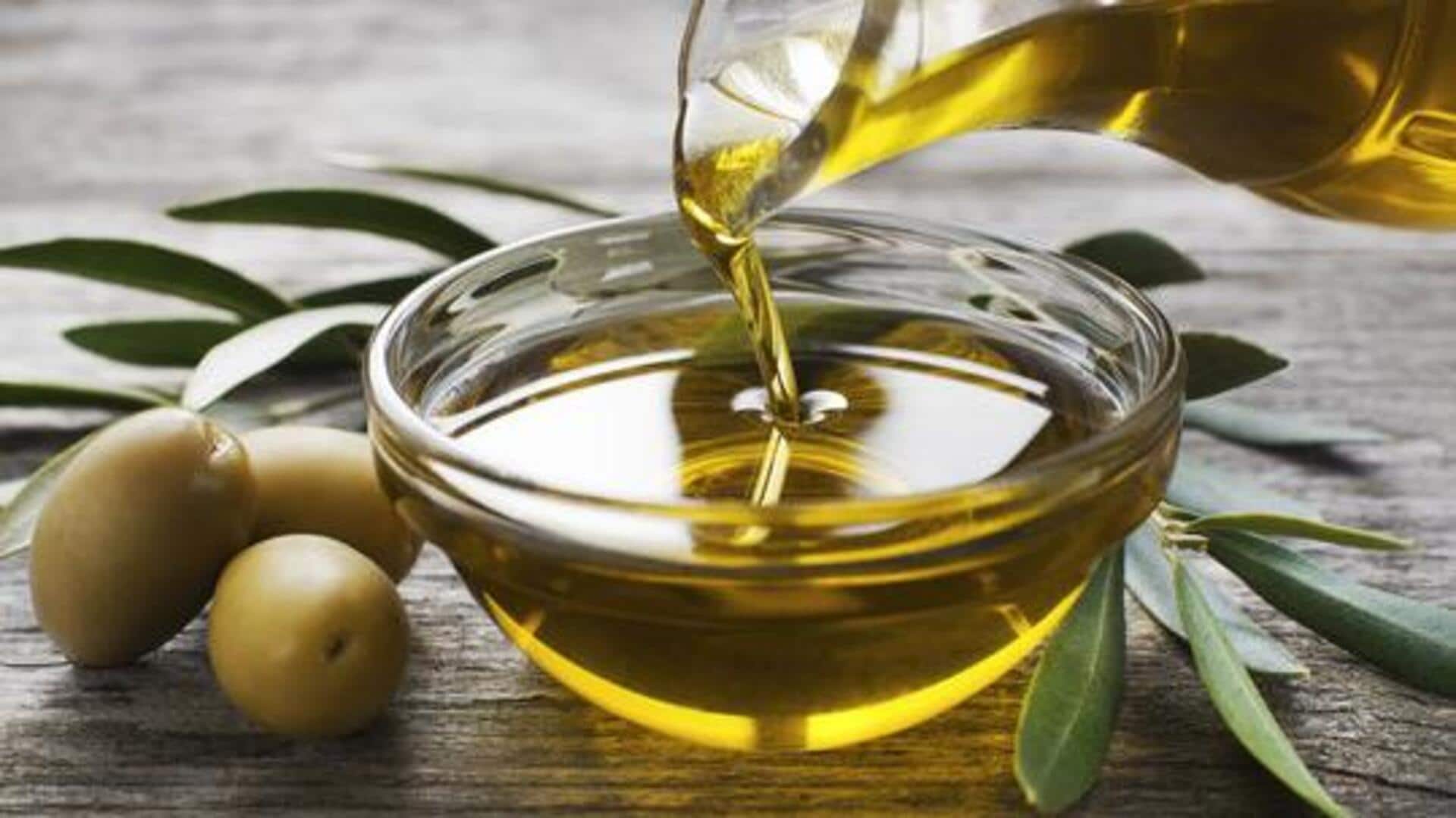
Cooking oils: Myths v/s facts
What's the story
Cooking oils are an integral part of our daily diets, but they are often surrounded by a lot of misconceptions. Many believe certain oils are healthy, while others are not, without knowing the facts. This article aims to debunk some common myths about cooking oils, and provide insights into their actual health benefits and risks. Knowing the truth can help you make better dietary choices.
#1
Myth: All saturated fats are bad
We often hear that all saturated fats are bad for health, but that's not entirely true. While some saturated fats can raise cholesterol levels, others have neutral or even beneficial effects on heart health. For instance, coconut oil is high in saturated fat but has been linked to improved HDL cholesterol levels. The key is to consume these fats in moderation and as part of a balanced diet.
#2
Myth: Olive oil is only for salads
Many think olive oil can only be used in salads or cold dishes, but it is also great for cooking. Extra virgin olive oil has a high smoke point, making it suitable for light frying or sauteing vegetables. Its rich flavor enhances many dishes beyond salads, making it a versatile kitchen staple.
#3
Myth: All vegetable oils are healthy
The term "vegetable oil" is often associated with healthiness, but not all vegetable oils are created equal. Some vegetable oils are heavily refined and loaded with omega-6 fatty acids, which can cause inflammation if consumed in excess. Choosing minimally processed oils like sunflower or canola can provide healthier options without compromising on nutrition.
#4
Myth: Butter v/s margarine debate
The butter versus margarine debate has been going on for decades, with many believing margarine is always the healthier option because it's plant-based. However, some margarines contain trans fats that can be more harmful than those found in butter when consumed excessively. Reading labels carefully and choosing trans fat-free spreads can help you make healthier choices.
#5
Myth: Coconut oil is always good
Coconut oil has gained popularity for its supposed health benefits, but it's not a one-size-fits-all solution. While it contains medium-chain triglycerides (MCTs) that may boost metabolism slightly, overconsumption could lead to higher cholesterol levels due to its saturated fat content. Balancing intake with other dietary fats ensures optimal nutrition without adverse effects.