Why you should add cowpeas to your daily diet
What's the story
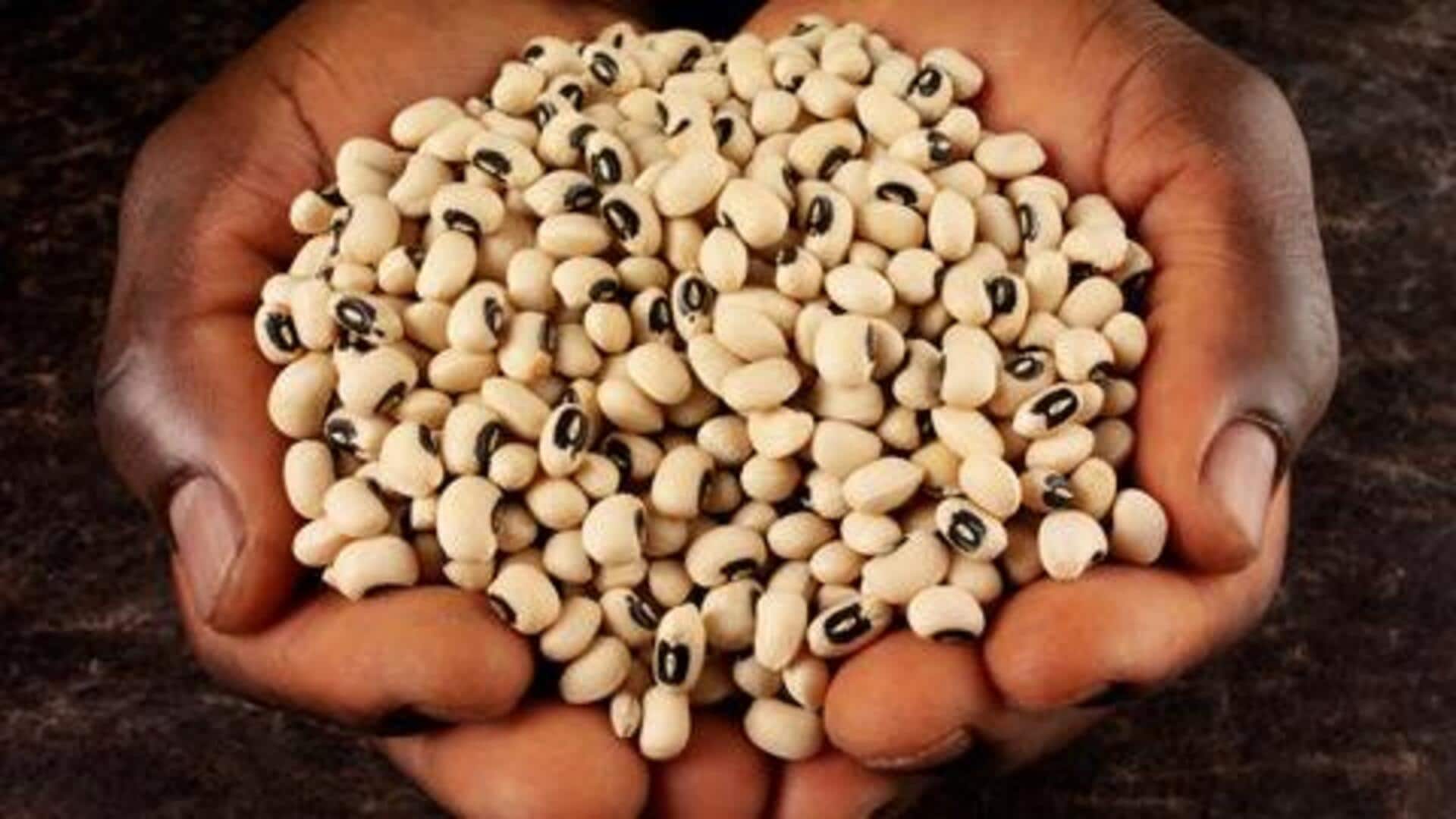
Cowpeas, a staple in many African diets, are slowly gaining attention for their nutritional and environmental benefits. These legumes are rich in protein, fiber, and essential nutrients, making them a great dietary option. Not just that, cowpeas are also drought-resistant, making them an ideal crop in the face of climate change. Here's how cowpeas can contribute to health and sustainability in Africa.
#1
Nutritional benefits of cowpeas
Cowpeas are loaded with protein, making them an excellent source of nutrition for those who don't consume much meat. They are also rich in fiber, which helps with digestion and keeps cholesterol levels in check. Cowpeas also provide essential vitamins and minerals, such as iron, calcium, and potassium, that promote overall health. Including cowpeas in your diet can help meet daily nutritional requirements without relying on expensive supplements.
#2
Environmental impact of cowpea cultivation
The cultivation of cowpeas has a positive impact on the environment as they need less water than other crops. This drought-resistant nature makes them ideal for regions struggling with water scarcity. Further, cowpeas also enrich soil fertility by fixing nitrogen, which lowers the need for chemical fertilizers. By growing cowpeas, farmers can contribute to sustainable agriculture practices that protect natural resources.
#3
Economic potential for farmers
Growing cowpeas can be a lucrative option for African farmers. The demand for these legumes is increasing domestically and internationally, giving farmers access to new markets. Cowpeas are also relatively inexpensive to grow since they require less input than other crops. This cost-effectiveness can increase profit margins and encourage more farmers to adopt cowpea cultivation as part of their agricultural strategies.
#4
Promoting cowpeas in local markets
To promote the consumption of cowpeas, it is important to raise awareness of their health benefits and versatility in cooking. Local markets can play a key role by offering various cowpea-based products, such as flour or snacks, that appeal to different tastes and preferences. Educating consumers about the nutritional value of cowpeas could boost demand and support local economies while promoting healthier eating habits.