How to create batik art with natural dyes
What's the story
Creating batik art with natural dyes is a sustainable and rewarding craft. It combines traditional techniques with eco-friendly materials, allowing artists to explore vibrant patterns and colors without harming the environment. Using natural dyes, you can achieve unique shades that synthetic dyes may not replicate. This guide provides insights into the process of creating batik art using natural dyes, highlighting key steps and considerations for beginners and experienced artists alike.
Dye selection
Selecting natural dyes for vibrant colors
Selecting the right natural dye is critical for vibrant batik designs.
Plants like indigo, turmeric, and hibiscus are popular choices. Indigo gives deep blues, turmeric gives bright yellows, and hibiscus gives rich reds.
Experimenting with different plant sources can give you a variety of colors to work with.
It's important to test small samples before committing to larger pieces.
Wax application
Preparing wax resist patterns
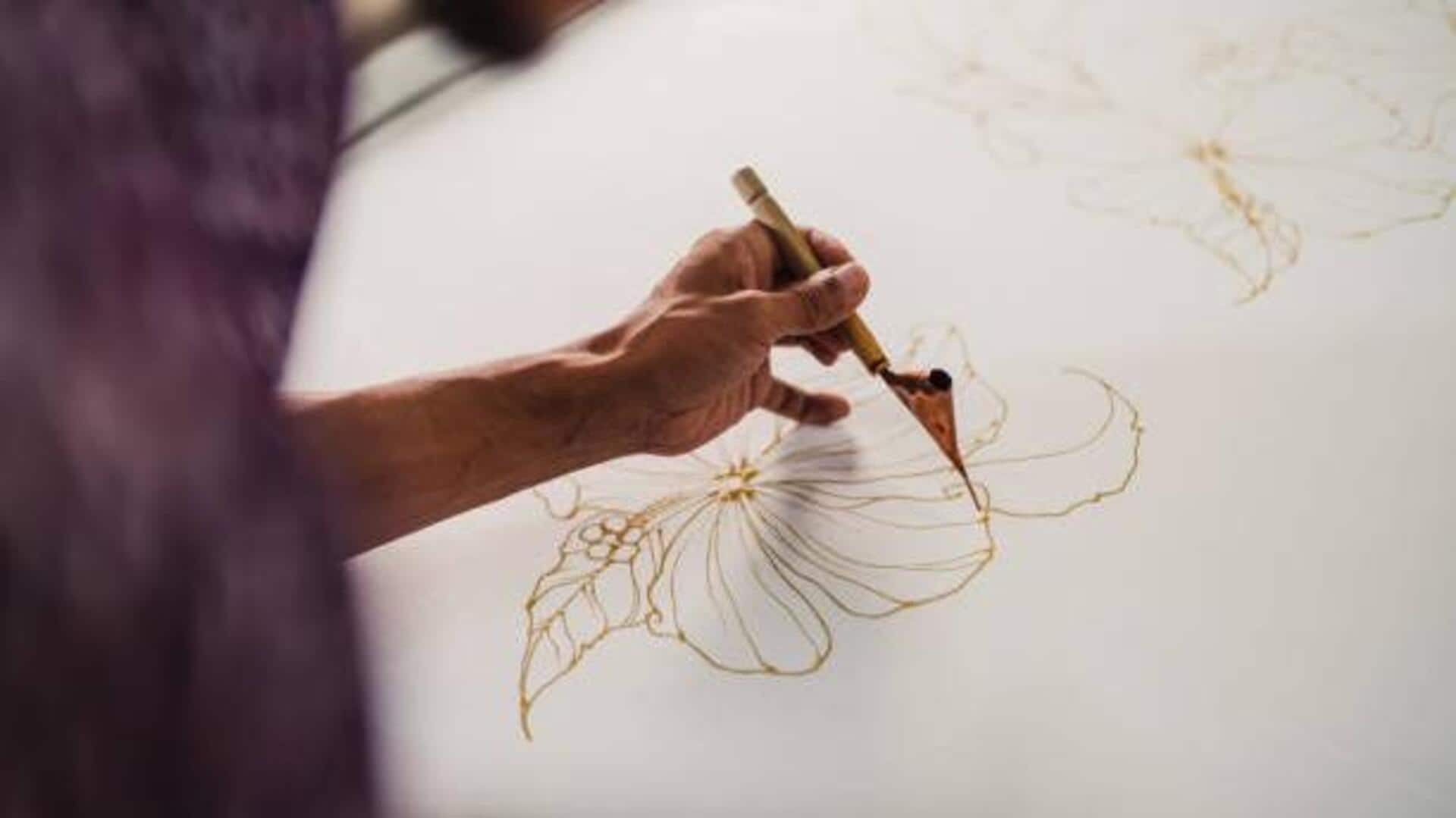
The wax resist technique is what makes batik unique.
You apply hot wax on the fabric in desired patterns, which prevents dye from penetrating those areas.
Beeswax or paraffin wax is commonly used because of its ability to hold intricate designs well.
Make sure the wax covers all intended areas completely for clear lines.
Dye application
Dyeing process with natural pigments
Once the wax has cooled, you can start dyeing your fabric with natural pigments.
Soak your fabric in a dye bath made from your chosen plant source until you achieve the desired color intensity.
Multiple dye baths can be used to create layered effects or gradients in your design.
Wax removal
Removing wax for final reveal
After dyeing, the next step is to remove the wax.
This is done by placing the fabric between layers of absorbent paper and applying heat with an iron.
The heat melts the wax, which is absorbed by the paper, revealing the final design underneath.
This step is crucial for getting crisp lines and vibrant colors in your batik art.
Sustainability tips
Tips for maintaining eco-friendly practices
To keep your batik art eco-friendly, use organic materials wherever you can, and minimize water usage during the dyeing process.
Reuse leftover dyes when possible, and dispose of any waste in an environmentally responsible manner.
These practices not only help reduce environmental impact but also promote sustainability within the craft community.