
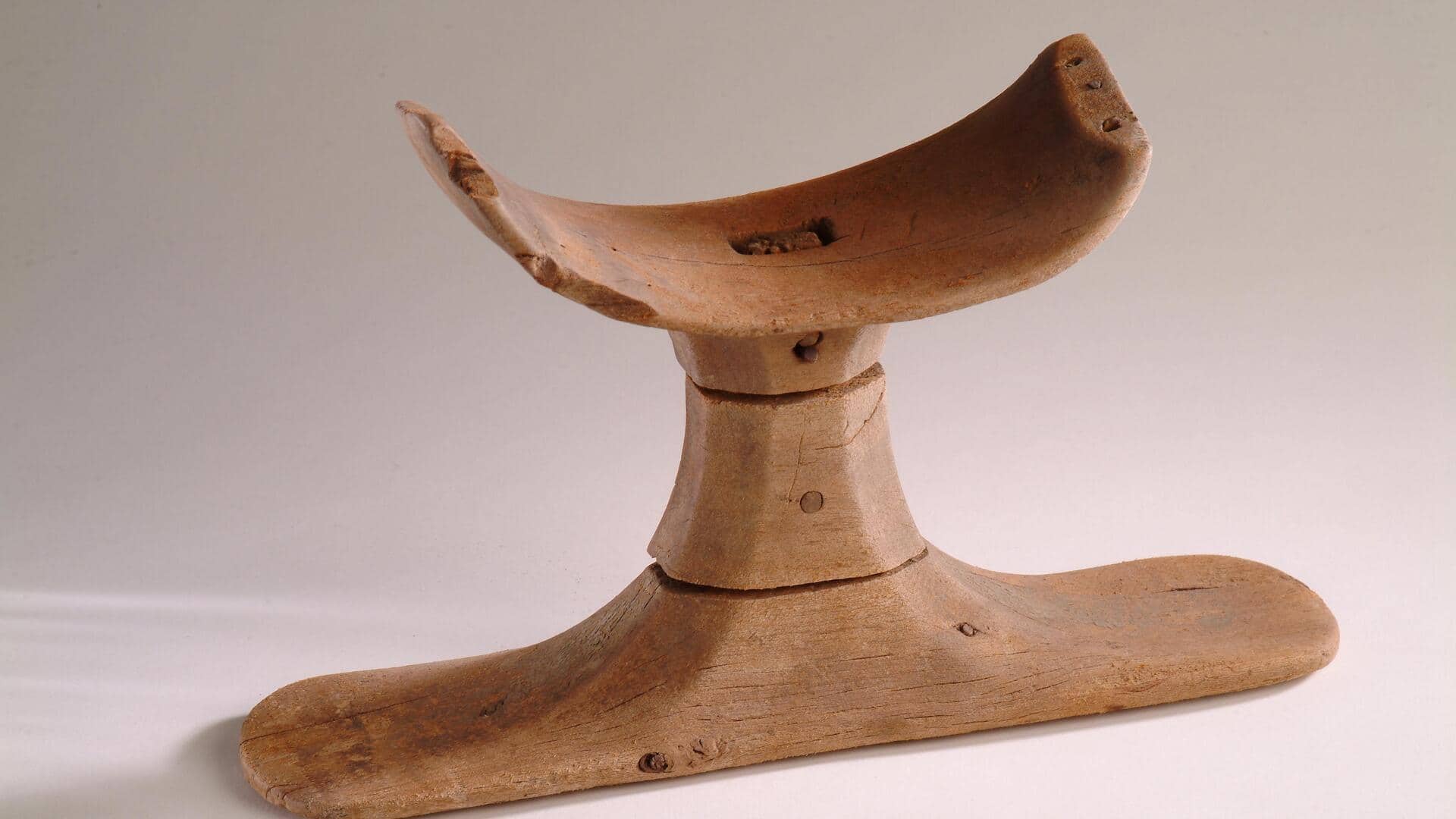
How to create headrests using wood carving
What's the story
East African wood carving is a centuries-old tradition, known for its intricate designs and cultural significance. These carvings are not only artistic expressions but also functional items like headrests, which are commonly used in various communities. Making headrests using these techniques requires an understanding of the materials, tools, and methods that have been passed down through generations. Here's a look at the process of creating headrests with East African wood carving techniques.
#1
Choosing the right wood
Selecting the right wood is essential for crafting durable headrests. Hardwoods such as mahogany or ebony are preferred because of their strength and resistance to wear. These woods also allow for detailed carving without cracking or splitting. The choice of wood affects the final product's appearance and longevity, making it an important step in the process.
#2
Tools used in carving
Traditional East African carvers employ a few basic tools to carve headrests. These include chisels, knives, and mallets made from local materials. Each tool serves a different purpose: chisels for shaping and detailing, knives for smoothing edges, and mallets for applying force during carving. Mastering these tools is key to achieving precision in design.
#3
Techniques for intricate designs
Intricate designs are the hallmark of East African wood carving. Carvers employ techniques such as incising, relief carving, and inlay work to create complex patterns on headrests. Incising involves cutting lines into the surface; relief carving creates raised images; inlay work adds contrasting materials into carved spaces. These techniques require patience and skill to execute effectively.
Tip 1
Finishing touches on headrests
The final step in making headrests is finishing touches that enhance their beauty and functionality. Sanding smoothens surfaces while oiling protects against moisture damage without losing natural grain visibility. Some artisans might also apply wax or lacquer finishes depending on desired aesthetics or protective needs.