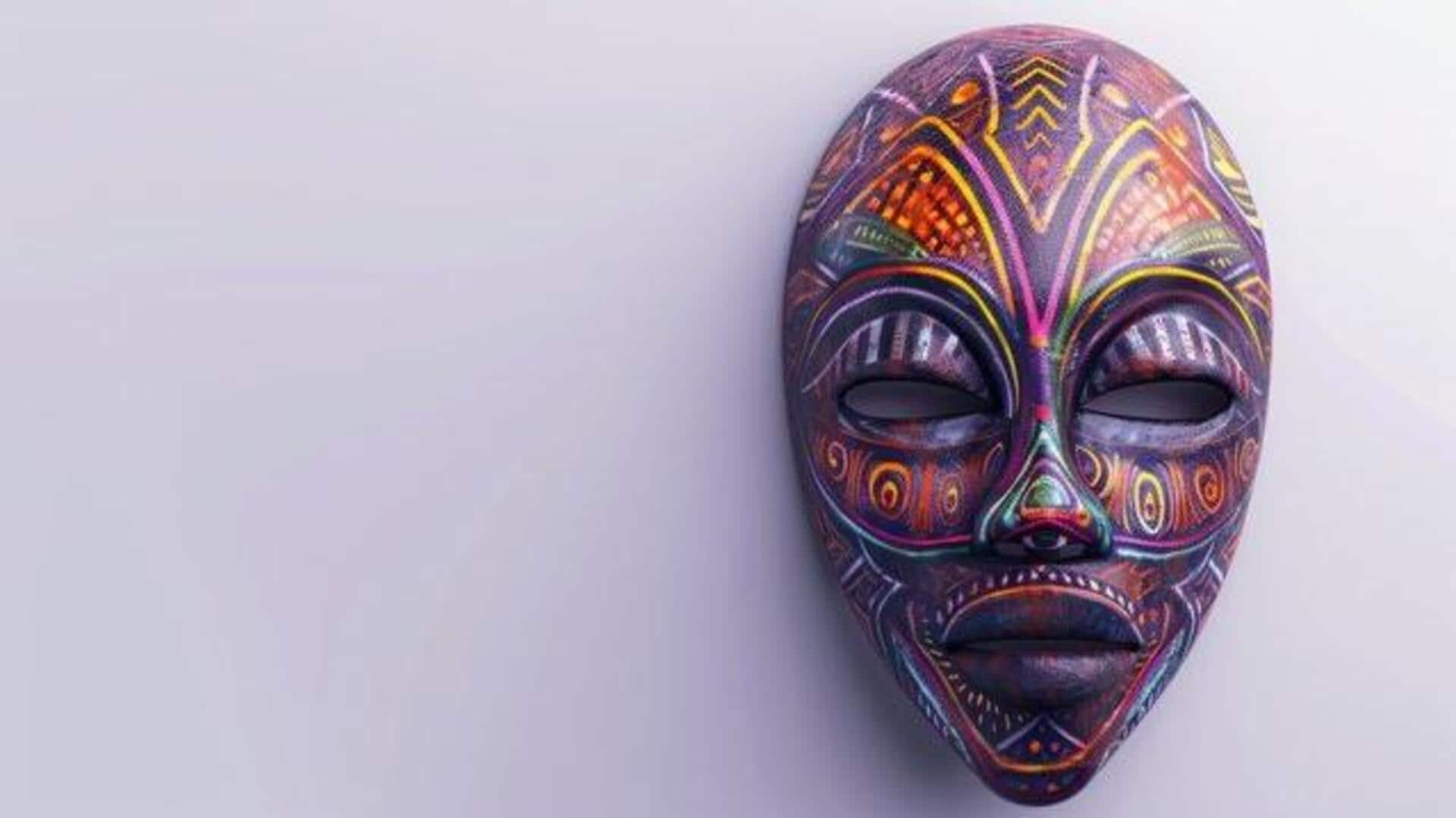
How to make masks using natural dyes
What's the story
Creating African masks with natural dyes is a rewarding way to connect with cultural traditions. The process involves using materials that are eco-friendly and easily available. By using natural dyes, artisans can create vibrant colors that reflect the rich heritage of African art. This practice not only preserves traditional techniques but also promotes sustainability. Here are some insights into making these masks using natural dyes.
#1
Sourcing natural materials
To create authentic African masks, one must source natural materials like clay, charcoal, and plant-based pigments.
Clay can be used for shaping the mask base, while charcoal provides a deep black hue. Plant-based pigments from roots, leaves, and flowers offer a range of colors.
These materials are often found locally, reducing environmental impact and supporting community resources.
#2
Preparing the dye mixtures
Preparing dye mixtures from natural sources is an art in itself.
For instance, turmeric can be used for yellow shades, while indigo leaves give a beautiful blue hue.
Boil the plant parts in water to extract colors, and strain them before use.
The resulting dyes are non-toxic and safe to handle during the mask-making process.
#3
Crafting techniques for masks
Crafting techniques vary depending on the region's traditions but generally involve carving or molding techniques with simple tools.
Artisans often use hand tools made from wood or metal to shape the masks accurately.
The focus remains on maintaining cultural significance while ensuring each piece is unique through personal touches in design.
Tip 1
Finishing touches with natural sealants
After crafting and dyeing the mask, applying natural sealants like beeswax or linseed oil protects it from wear and tear over time.
These sealants enhance color vibrancy without compromising the eco-friendly aspect of the creation process.
They provide a protective layer against moisture damage while allowing the artwork to breathe naturally over time.