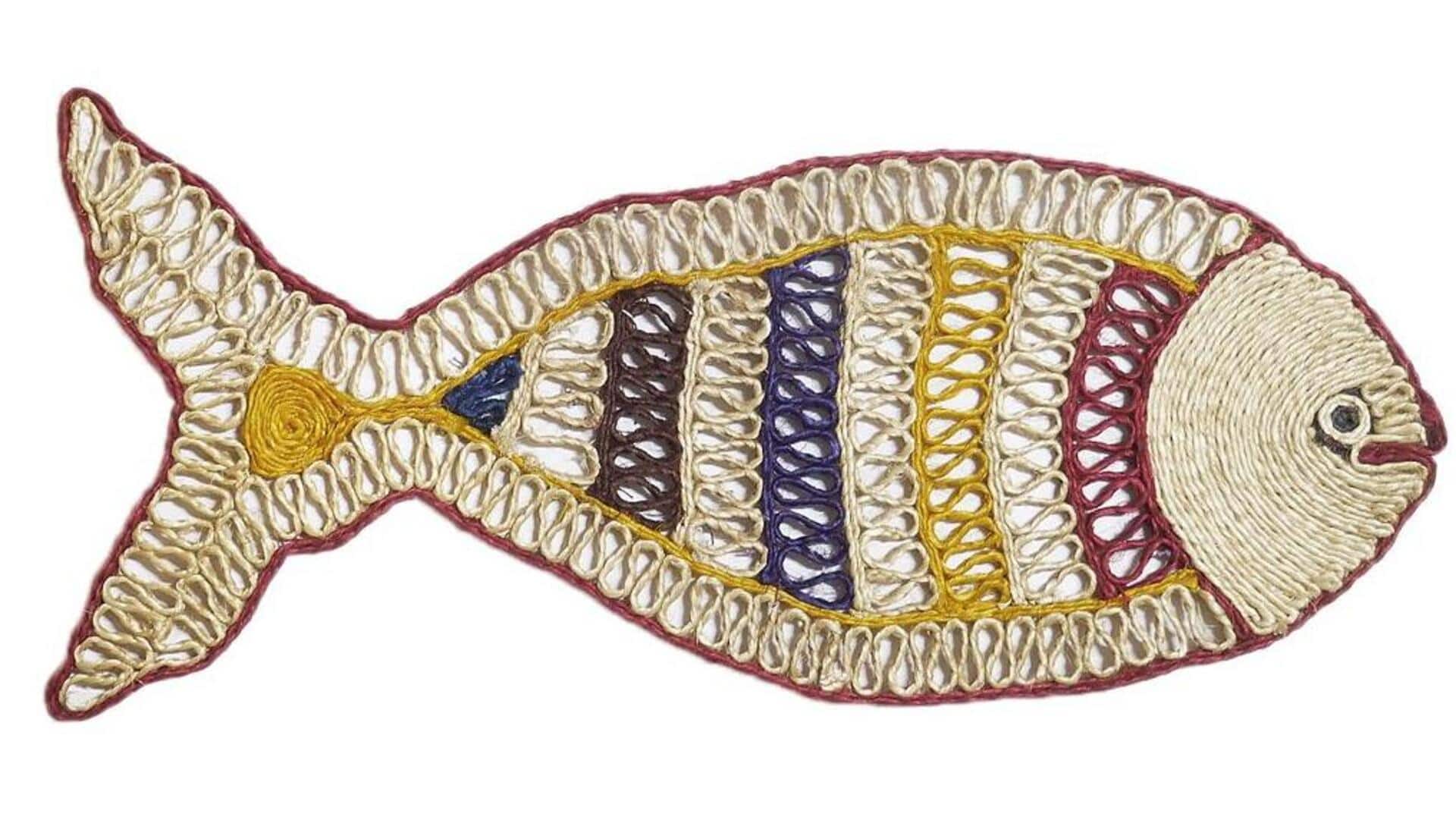
All about banana fiber art
What's the story
African wall art is famous for its vibrant colors and intricate designs. One of the most unique materials used in making these artworks is banana fiber. This natural, eco-friendly material is harvested from banana plants and converted into beautiful pieces of art. Using banana fiber, artists can create textured, durable, and sustainable art pieces that reflect the rich cultural heritage of Africa.
#1
Harvesting banana fiber
Banana fiber is obtained from the pseudostems of banana plants after harvesting the fruit.
The process involves stripping the outer layer to get to the inner fibers. These fibers are then washed, dried, and processed for use in making art.
The harvesting process is sustainable, as it does not harm the plant, allowing it to continue producing fruit.
#2
Techniques in banana fiber art
Artists employ a range of techniques to manipulate banana fiber into stunning designs.
The fibers can be dyed with natural colors to get vibrant hues without using synthetic chemicals.
They can be woven, braided, or twisted into different patterns, depending on the desired effect.
The versatility of banana fiber makes it ideal for creating both traditional and contemporary art pieces.
#3
Cultural significance of banana fiber art
Banana fiber art holds cultural significance in many African communities where it is used for storytelling or representing cultural symbols.
Each piece often carries historical or spiritual meanings that connect to local traditions and customs.
By preserving these artistic practices, communities maintain their cultural identity while also adapting to modern artistic expressions.
#4
Environmental benefits of using banana fiber
Using banana fiber in art has environmental benefits, as it promotes sustainability and reduces waste.
Since banana plants are grown abundantly in tropical regions, using them for making art helps minimize environmental impact by reducing reliance on synthetic materials that may pollute ecosystems.
This eco-friendly approach not only supports local economies but also encourages conservation efforts within agricultural communities.