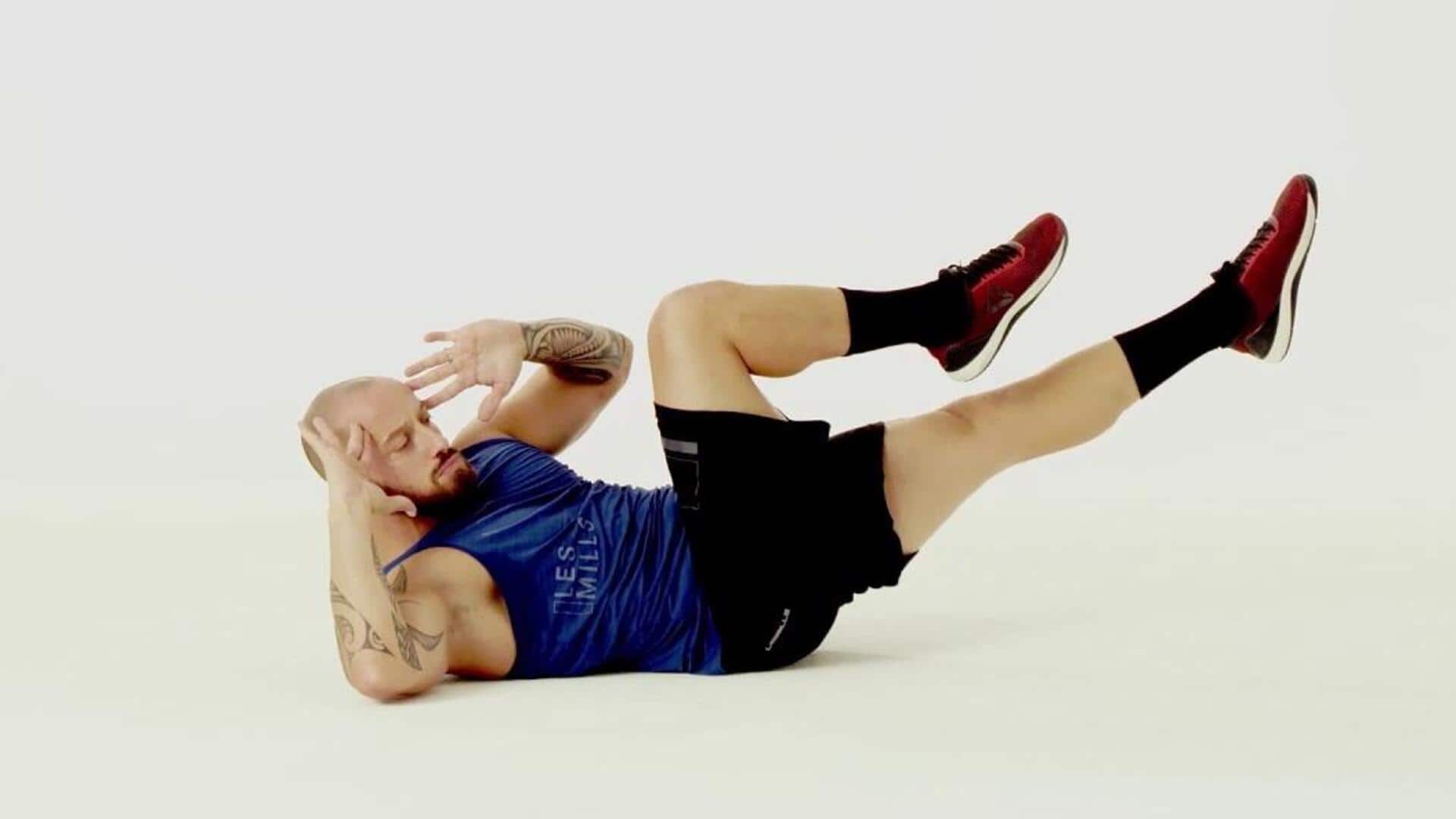
Cross-crawl exercises: What they are actually
What's the story
Cross-crawl exercises are simple yet effective movements that can improve coordination and brain function. The exercises involve alternating the limbs in a crawling pattern, which is said to stimulate both hemispheres of the brain. This can improve cognitive abilities and physical coordination. Adding cross-crawl exercises to your routine may help you improve balance, focus, and overall motor skills.
Basic concept
Understanding cross-crawl movements
Cross-crawl movements mimic the natural pattern of crawling that infants use to develop motor skills.
The exercise involves moving opposite limbs simultaneously, like the left arm with the right leg.
This coordination activates both sides of the brain, promoting neural connectivity and enhancing cognitive processing.
Regular practice can lead to better body awareness and improved reflexes.
Cognitive enhancement
Benefits for brain function
Engaging in cross-crawl exercises has been associated with cognitive benefits such as improved memory retention and concentration.
The bilateral movement stimulates brain activity across both hemispheres, fostering better communication between them.
This enhanced connectivity can lead to sharper problem-solving skills and increased mental agility over time.
Motor skill development
Physical coordination improvement
Cross-crawl exercises are also great for improving physical coordination.
By engaging in these movements regularly, you can improve your balance and agility.
The exercises require you to focus on both the upper and lower body working together, which helps you develop a sense of timing and rhythm.
This is especially beneficial for athletes or anyone looking to improve their motor skills.
Practical tips
Incorporating cross-crawl exercises into routine
To incorporate cross-crawl exercises into your daily routine, start with simple movements like marching in place while touching opposite knees with hands.
Gradually increase complexity by adding variations like high knees or lateral steps.
Aim for short sessions initially, gradually increasing duration as comfort level grows.
Consistency is key; aim for several times a week for noticeable improvements in coordination and cognitive function.