Wildlife lovers, you must try this cycling safari in Rwanda
What's the story
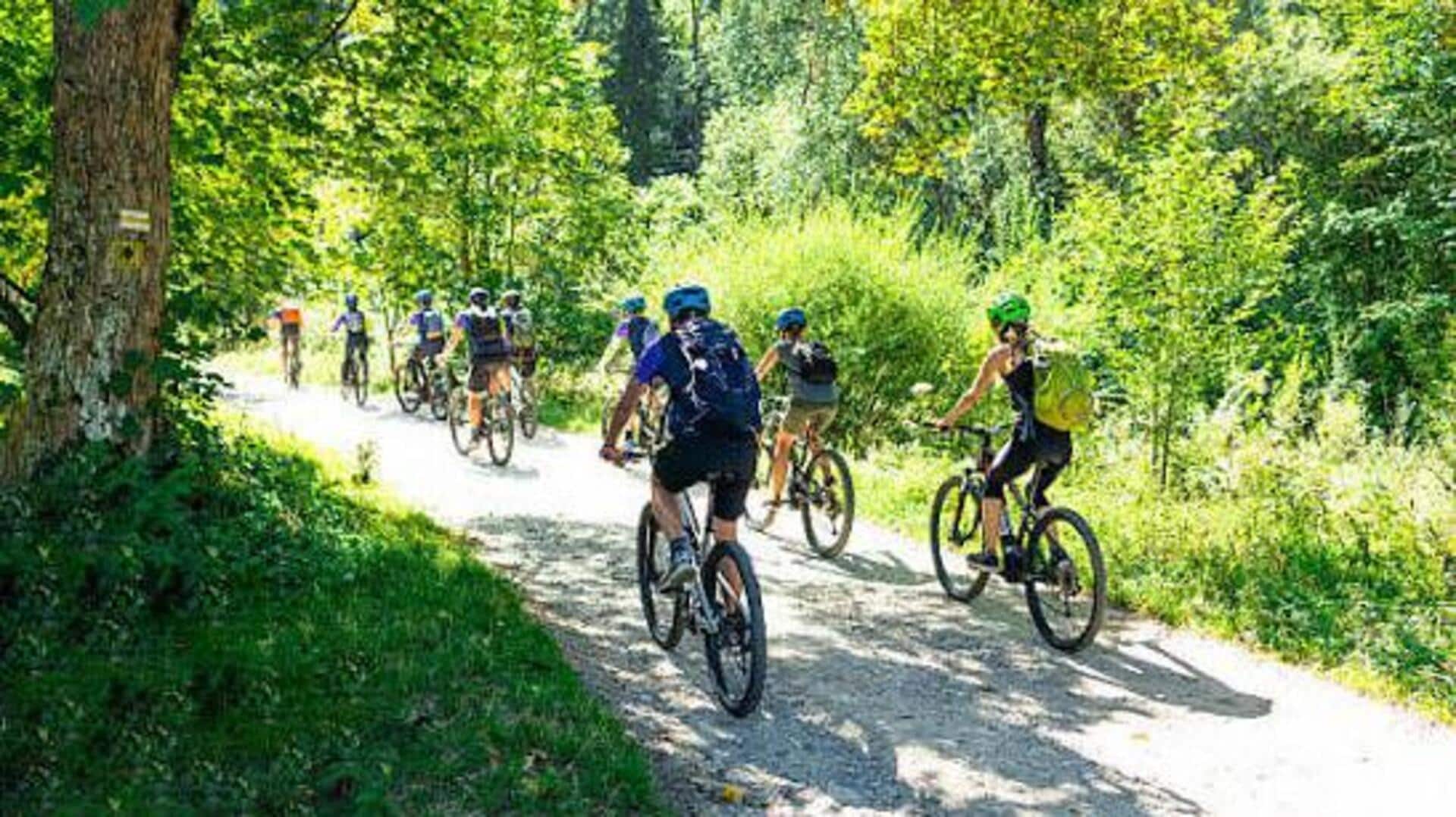
Cycling through Rwanda's Akagera National Park is an adventure of a lifetime. The park, known for its diverse wildlife and scenic landscapes, offers cyclists a unique opportunity to explore its beauty on two wheels. From savannahs to wetlands, the park has it all. Cyclists can witness elephants, giraffes, and various bird species in their natural habitat. Here are some insights into making the most of this thrilling experience.
#1
Choosing the right bike
Choosing the right bike is essential for a smooth ride through Akagera National Park.
A mountain bike with sturdy tires is recommended, as the terrain can be rough and uneven.
Ensure your bike has good suspension to handle bumpy paths and rough trails.
Carrying basic repair tools and spare tubes can come in handy in case of any mechanical issues during your ride.
#2
Understanding park regulations
Before you head out, it's important to understand the park's regulations regarding cycling.
Some areas may have restrictions due to wildlife activity or conservation efforts.
Always stick to designated trails, and respect any signage or guidance from park officials.
This not only ensures your safety but also helps preserve the natural environment for future visitors.
#3
Best times for cycling adventures
The best time for cycling in Akagera National Park is during the dry season, which runs from June to September.
The weather is generally more favorable, with less rainfall, making the trails more accessible and less muddy.
Early mornings or late afternoons are ideal times to ride, as temperatures are cooler, and wildlife activity is usually higher during these hours.
#4
Wildlife safety tips
Encountering wildlife while cycling in Akagera National Park is a common occurrence, and it adds to the thrill of the experience.
However, it is important to prioritize safety by maintaining a safe distance from all animals. This not only protects you, but also minimizes stress on wildlife populations.
Always stay alert and be prepared to stop or change direction if necessary to avoid close encounters with animals.