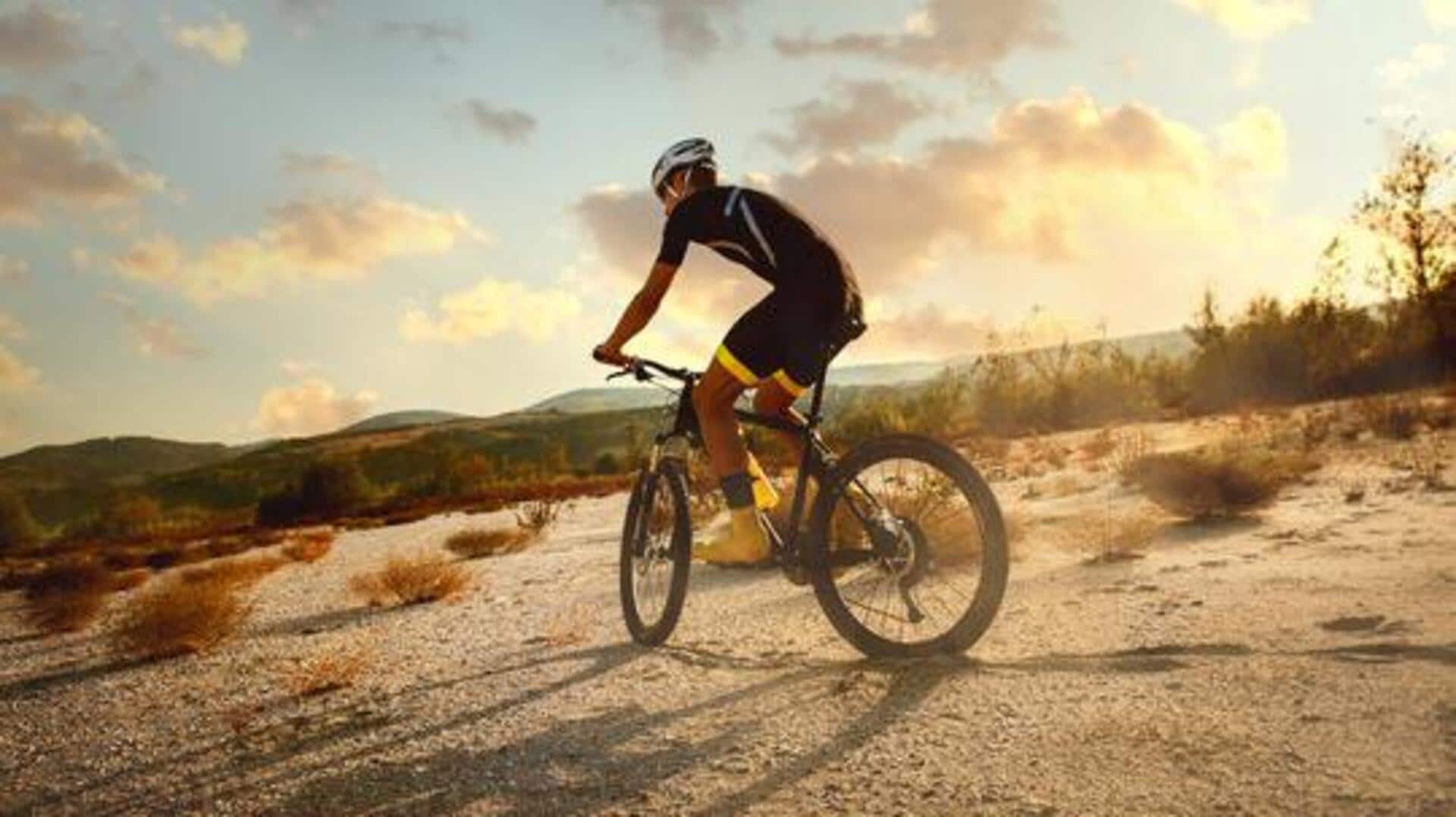
Discover the beauty of Namibia's deserts by bike
What's the story
The Namib Desert, one of the oldest deserts on Earth, is a cyclist's paradise. Its vast landscapes and unique terrain make it an ideal place for those looking for adventure on two wheels. The desert offers a chance to explore its beauty and challenges, making it a memorable experience for cyclists. Whether you're an experienced cyclist or a beginner looking for a new challenge, the Namib Desert has something for everyone.
#1
Choosing the right bike
Choosing the right bike is crucial for a successful ride in the Namib Desert.
A mountain bike with sturdy tires and a reliable gear system is recommended to tackle the rough terrain.
Cyclists should also consider bikes with wide handlebars and comfortable seats to ensure stability and comfort during long rides.
It's important to test your bike before heading out to ensure it can handle sandy paths and rocky trails.
#2
Understanding weather conditions
The weather in the Namib Desert can be extreme, with high temperatures during the day and cooler nights.
Cyclists should plan their rides early in the morning or late in the afternoon, when temperatures are more bearable.
Staying hydrated is crucial, so carrying enough water is essential.
Cyclists should also wear appropriate clothing that protects against sun exposure while allowing breathability.
#3
Navigating desert terrain
Navigating through the Namib Desert requires skills to handle its diverse terrain.
Cyclists must be prepared for sandy dunes, rocky paths, and steep inclines.
Practicing on similar terrains beforehand can help build confidence and improve handling skills.
It's also important to stay alert for sudden changes in weather or terrain that may require quick adjustments in riding techniques.
#4
Safety tips for desert cycling
Safety should always be a priority while cycling through the Namib Desert.
Riders should inform someone about their route before setting out each day.
Carrying a map or GPS device can help avoid getting lost in this vast landscape.
First aid kits should be packed in case of minor injuries or emergencies during the ride.