Cycling v/s paddleboarding: Which cardio workout fits you best?
What's the story
Cycling and paddleboarding are two popular activities that offer unique benefits for cardiovascular health. Both exercises engage different muscle groups and provide varying levels of intensity, making them appealing options for those looking to improve their heart health. While cycling is often associated with high-speed bursts and endurance training, paddleboarding offers a more balanced approach to fitness through core engagement and steady pacing. Let's take a look at how each activity contributes to cardiovascular well-being.
Heart rate
Cycling: Boosting heart rate efficiently
Cycling is famous for its ability to boost the heart rate quickly.
Be it a leisurely ride or a high-intensity cycling session, pedaling increases the heart's workload, improving circulation and oxygen delivery to muscles.
Regular cycling can improve cardiovascular endurance by up to 30%, making it a great choice for those looking to up their aerobic capacity.
Core engagement
Paddleboarding: Core engagement benefits
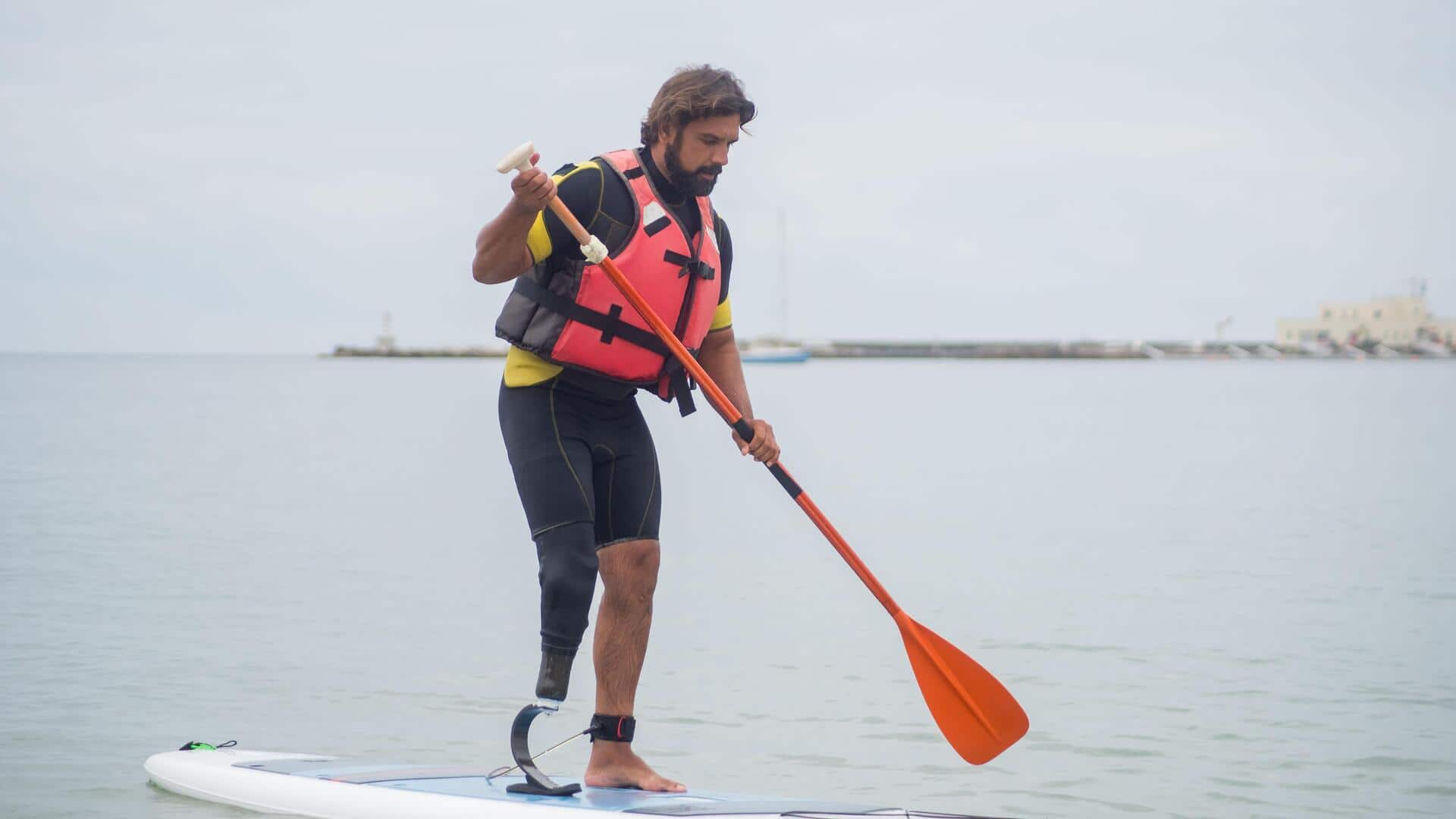
Paddleboarding is a great way to engage your core while working out.
Balancing on water requires constant adjustments, which activates the core muscles.
This not only improves stability but also increases cardiovascular endurance, as the heart works harder to supply oxygen to these active muscles.
Paddleboarding can be a great way to build core strength while improving heart health.
Intensity levels
Intensity levels in cycling vs paddleboarding
The intensity of an exercise is key to its cardiovascular benefits.
Cycling allows for variable intensity levels, from leisurely rides to intense sprints. This versatility allows cyclists to tailor their workouts according to their fitness levels and goals.
Paddleboarding usually involves moderate intensity but can be intensified with faster paddling or longer distances, offering a balanced workout without overwhelming beginners.
Accessibility
Accessibility and convenience factors
Cycling is more accessible as it requires minimal equipment and can be done in urban areas or dedicated paths.
It also offers flexibility in terms of duration and intensity, which is ideal for busy schedules.
Paddleboarding requires access to water bodies and specific gear like boards and paddles, which may not be readily available or convenient for everyone.