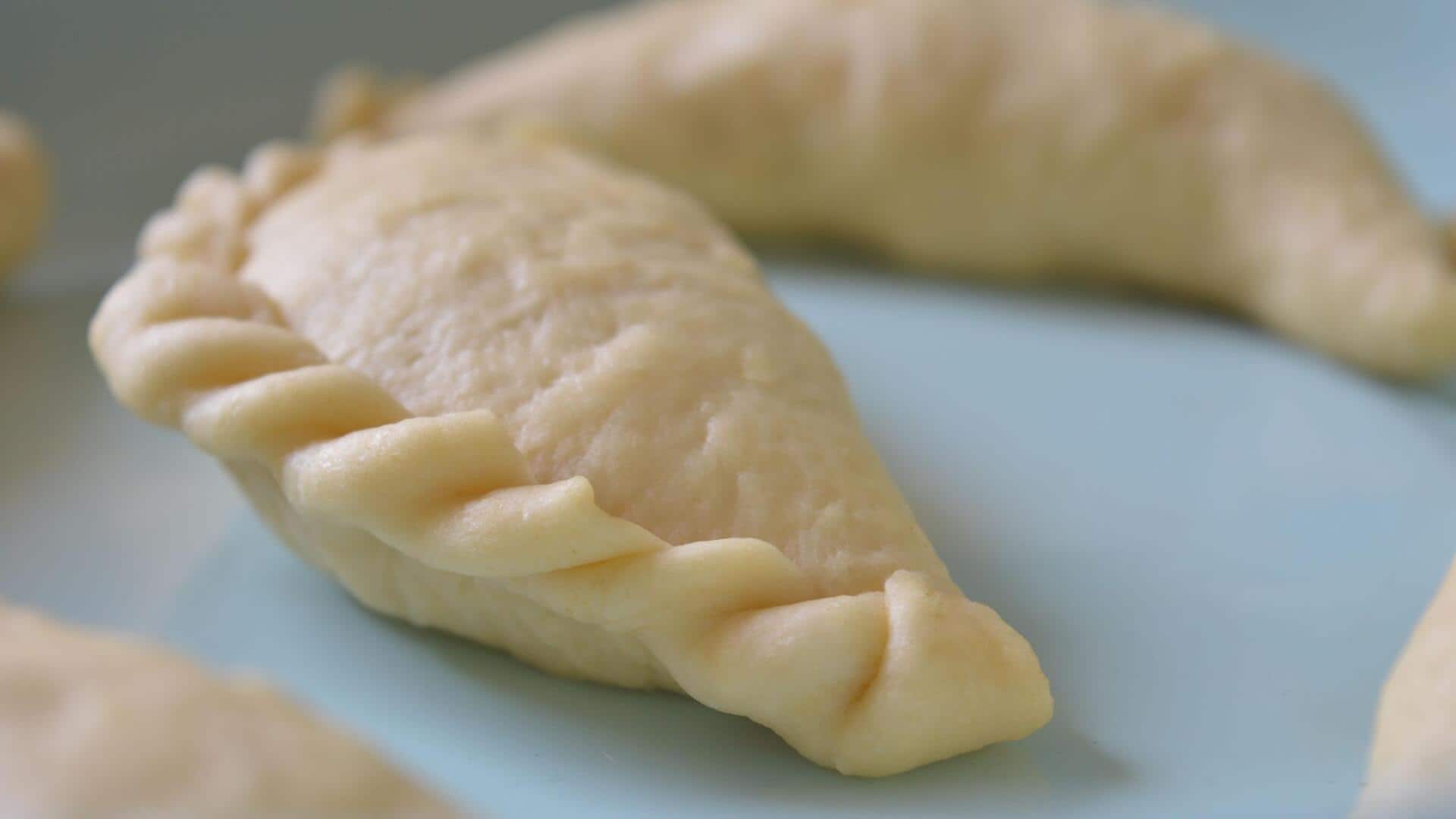
Dal pitha: A traditional snack with a modern twist
What's the story
From the heart of rural kitchens to the menus of modern-day cafes, dal pitha has made its way. This traditional dish, made with rice flour and lentil stuffing, is now loved for its simplicity and nutritional value. As chefs experiment with age-old recipes, dal pitha has become a versatile snack option. Here's how this humble dish has evolved to meet contemporary tastes while keeping its essence intact.
#1
Traditional roots of dal pitha
Dal pitha has been a staple in many Indian households for centuries.
Traditionally, it is made by steaming rice flour dough filled with spiced lentil paste.
The dish is loved for its simplicity and the use of locally available ingredients.
In rural areas, it is often prepared during festivals or family gatherings, showcasing the rich culinary heritage of the region.
#2
Modern twists on classic recipe
In recent years, chefs have started giving dal pitha a modern twist by adding new flavors and ingredients.
Some variations include adding vegetables like spinach or carrots to the filling, or using quinoa flour instead of rice flour for a healthier option.
These innovations make the dish appealing to a wider audience without losing its traditional charm.
#3
Nutritional benefits of dal pitha
Dal pitha is also praised for its nutritional value.
It provides a healthy dose of protein from lentils and carbohydrates from rice flour, making it an ideal energy booster.
The steaming process retains most of the nutrients, making it a healthy choice for health-conscious people.
Plus, it can be made gluten-free by using alternative flours, making it accessible to more people.
#4
Popularity in urban cafes
The rise in popularity of dal pitha in urban cafes speaks volumes about the growing demand for authentic regional cuisines with a modern touch.
Many cafes serve this dish as part of their breakfast or snack menu, often pairing it with innovative dips or sauces to enhance its flavor profile.
This trend highlights how traditional foods can be adapted to suit contemporary palates while preserving their cultural significance.