
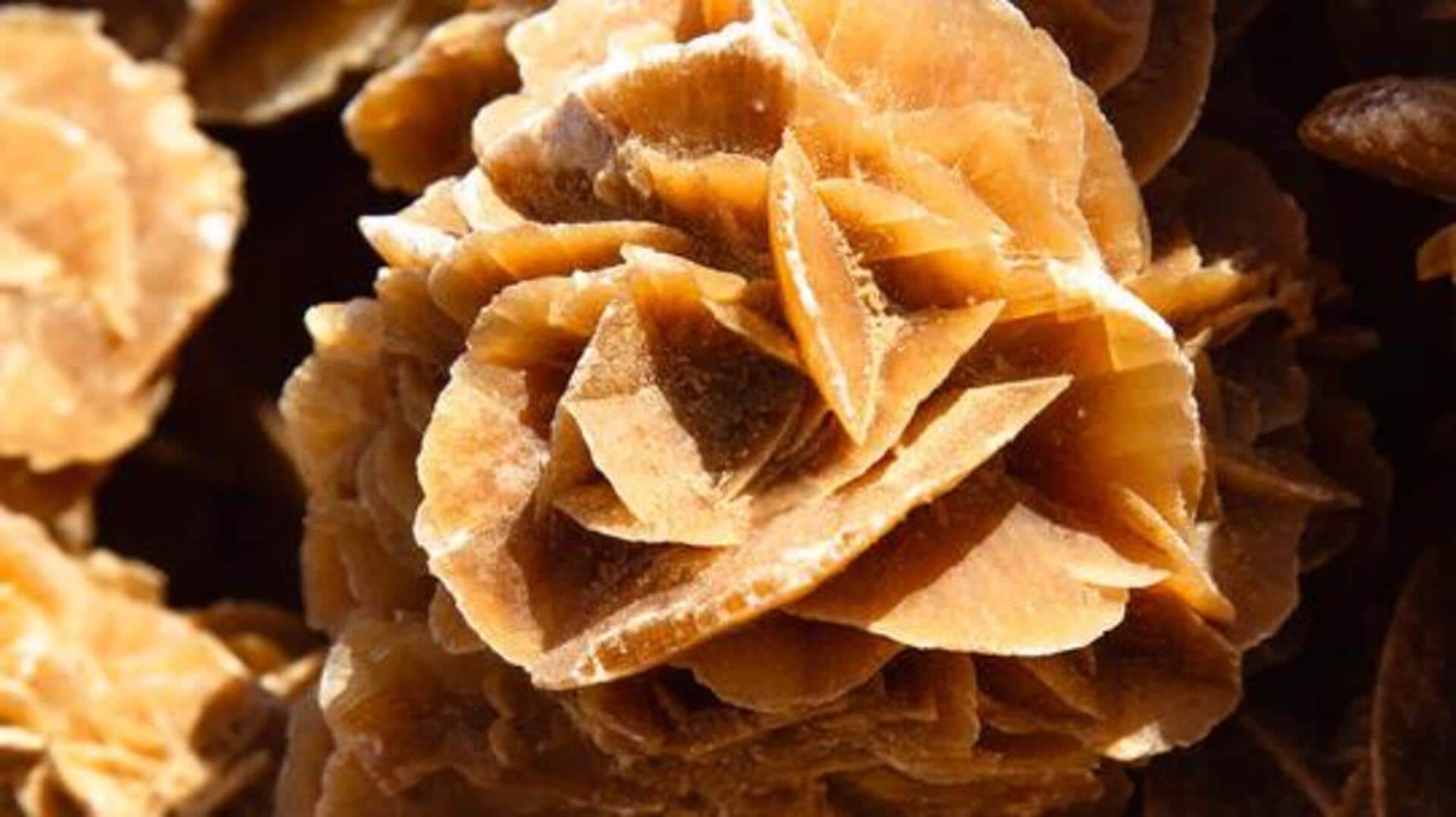
How to create stunning desert rose sculptures
What's the story
Creating desert rose sculptures can be a rewarding experience for beginners. These unique formations, inspired by the natural beauty of desert roses, offer a creative outlet to explore artistic expression. With the right techniques and tools, even novices can craft stunning pieces that capture the essence of these natural wonders. Here are five shaping techniques to help you get started on your journey to creating beautiful desert rose sculptures.
Technique 1
Basic clay shaping techniques
Start with basic clay shaping techniques. Use your hands and simple tools to mold the clay into desired shapes. Focus on getting a feel for the material, practicing kneading and rolling it into forms that resemble the petals of a desert rose. This technique lays the foundation for more complex designs.
Technique 2
Adding texture for realism
To make your sculpture more realistic, add texture to its surface. Use tools like brushes or sponges to create patterns that mimic the natural ridges and grooves of a desert rose. This step adds depth and detail to your piece, making it visually appealing.
Technique 3
Incorporating natural elements
Incorporate natural elements like sand or small stones into your sculpture for added authenticity. These materials can be embedded within the clay or used as decorative accents on its surface. They not only enhance the aesthetic but also connect your artwork with its natural inspiration.
Technique 4
Experimenting with color blends
Experiment with color blends to bring life to your sculpture. Use different shades of paint or pigments that reflect the hues found in real desert roses—soft pinks, earthy browns, and subtle greens. Blending colors carefully will give you a more dynamic look.
Technique 5
Securing your sculpture's integrity
Ensure your sculpture's integrity by securely attaching all parts before drying or firing it in an oven if using polymer clay. Use slip (a mixture of clay and water) as adhesive between sections if necessary. This prevents breakage during handling and preserves its shape over time.