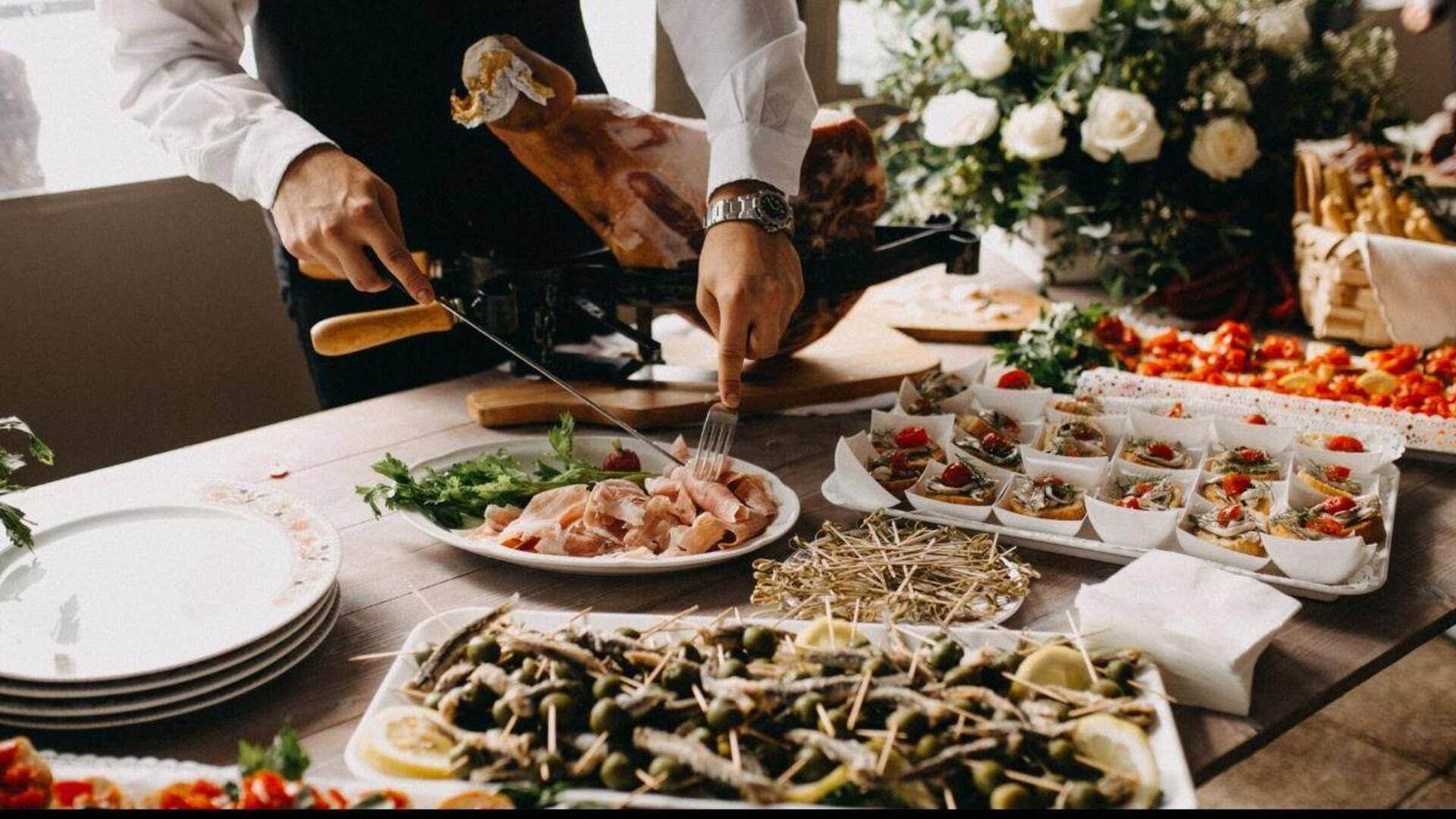
Invited to a formal dinner? Follow these etiquette tips
What's the story
Dining etiquette is an important skill that can make a difference in social and professional settings. Knowing the basic rules of dining can make you more confident and leave a lasting impression on your hosts and fellow diners. Be it a formal dinner or a casual meal with friends, knowing these etiquette tips can help you navigate through different dining situations with grace and poise.
Punctuality
Arriving on time
Being on time is the first step to good dining etiquette. Arriving late can disturb the host's plans and make the other guests uncomfortable. It is always a good idea to reach at least five to 10 minutes early. If you are running late due to unavoidable circumstances, inform your host as soon as possible to avoid any inconvenience.
Utensil usage
Proper use of utensils
Using utensils properly is key to dining etiquette. Always start from the outside and work your way inwards with each course. The fork is usually held in the left hand, and the knife in the right, while eating main courses. For salads or desserts, use the appropriate smaller utensils provided.
Napkin etiquette
Napkin placement
The napkin is an essential part of dining etiquette. As soon as you sit down, place it on your lap, but do not use it as a bib. When you leave the table, place it loosely folded on the left side of your plate, instead of leaving it crumpled.
Conversation skills
Engaging in polite conversation
Polite conversation is an important part of good dining etiquette. Avoid controversial topics and keep the conversation light and inclusive for all guests at the table. Listening attentively shows respect for others' opinions, and sharing thoughts keeps the dialogue balanced.
Bread etiquette
Handling bread correctly
When served bread at a meal, break off small pieces with your hands instead of cutting them with a knife, which is considered impolite. Spread butter evenly over each piece before consuming it; this ensures both taste satisfaction and adherence to traditional dining customs.