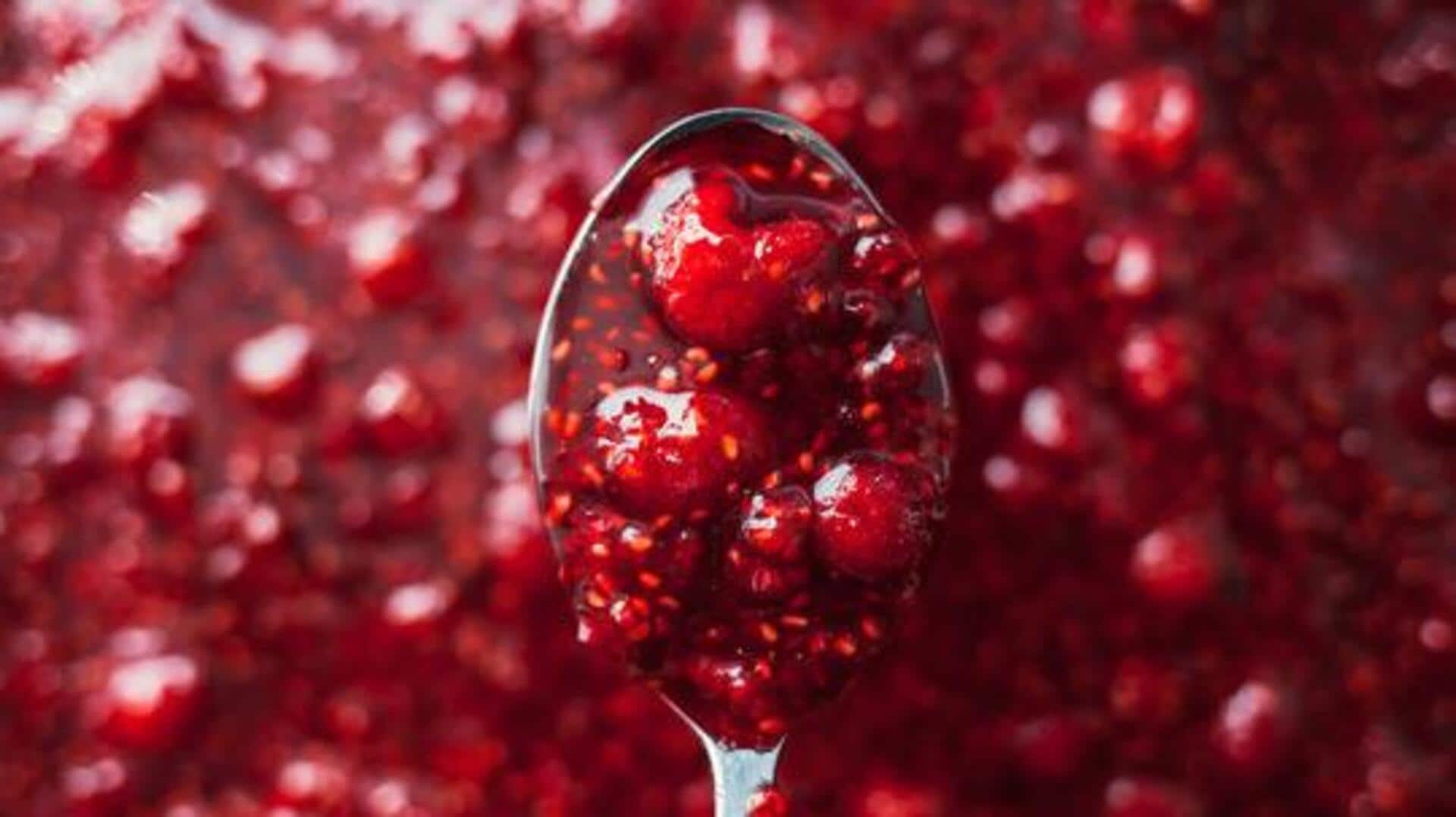
Have you ever tried shea fruit jam?
What's the story
African shea fruit jam is a unique delicacy that highlights the rich culinary heritage of the continent. Made from the seeds of the shea tree, this jam is not just a delightful spread, but also a testament to traditional African food practices. The preparation and use of this jam in various dishes highlight the resourcefulness and creativity of African communities. Here's a look at this fascinating food item.
#1
The shea tree's significance
The shea tree is native to West Africa and is valued for its multipurpose use. From its nuts, shea butter is extracted, which is used for cooking and cosmetics. The fruits of the shea tree are also used to make jams and preserves. This multipurpose use makes the shea tree an important part of many African economies, providing livelihoods to many.
#2
Preparing the jam
Making African shea fruit jam requires collecting ripe fruits from the shea tree. The seeds are removed, and the pulp is cooked down into a thick consistency. Sugar or honey may be added for sweetness, depending on regional preferences. The process preserves the fruit's natural flavors while making it suitable for long-term storage.
#3
Culinary uses across Africa
In different parts of Africa, shea fruit jam is used in various ways. It is commonly spread on bread or used as a filling in pastries. In some regions, it accompanies savory dishes or serves as an ingredient in sauces that accompany traditional meals. Its versatility makes it an essential part of many culinary traditions across the continent.
#4
Nutritional benefits of shea fruits
Shea fruits are packed with nutrients that are good for health. They are rich in vitamins A and E, which promote healthy skin and eyesight. They also contain essential fatty acids that promote heart health when consumed as part of a balanced diet. These nutritional benefits make them more than just an ingredient; they contribute positively to overall well-being.