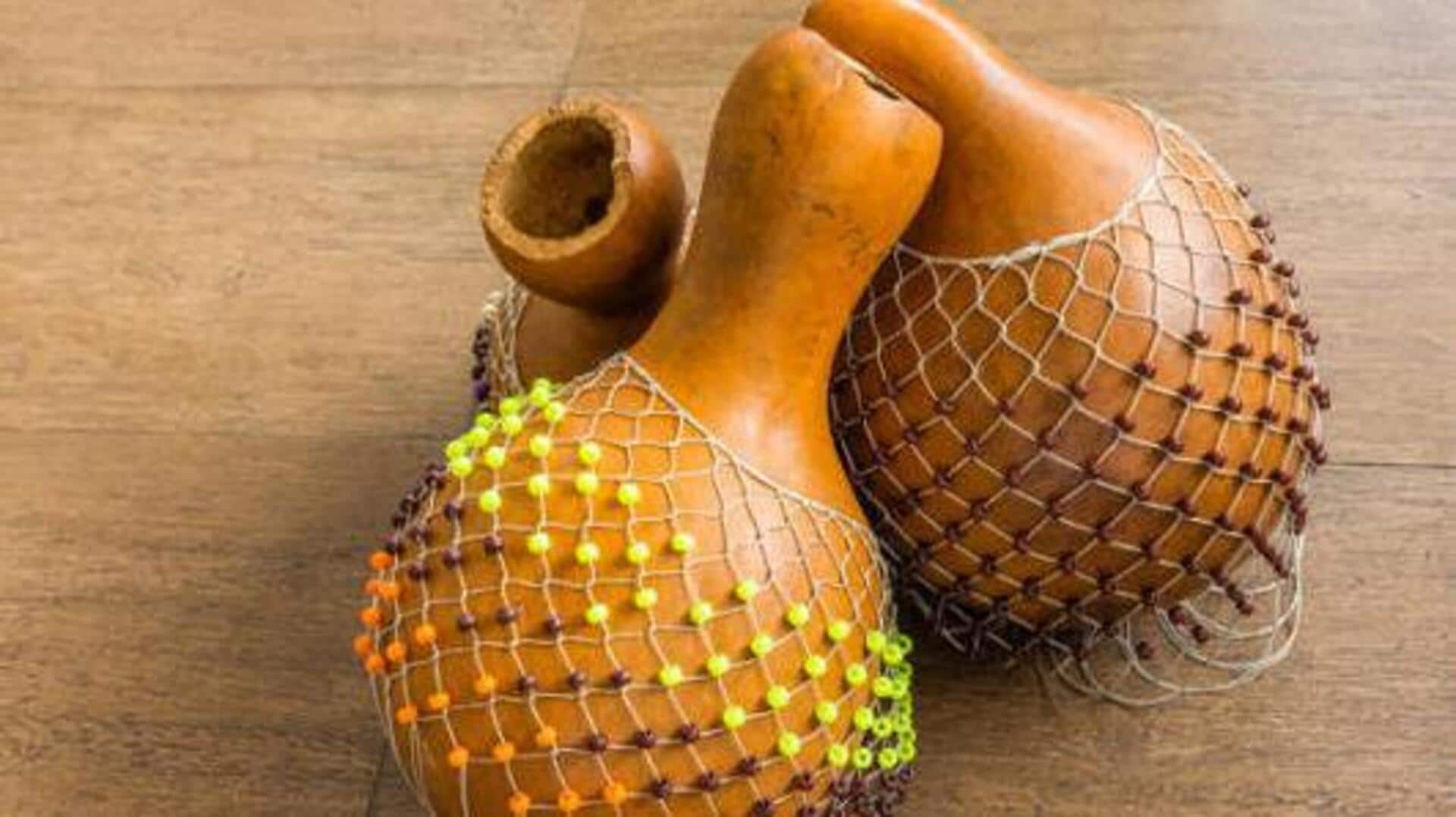
The craft of African instrument-making
What's the story
Creating African musical instruments can be a rewarding experience, connecting you to the continent's rich cultural heritage. These instruments are not just tools for music, but also carry historical and social significance. By crafting them, you can gain a deeper understanding of African traditions and practices. Here are some insights into the process of making these instruments, highlighting key techniques and materials used in traditional African instrument-making.
#1
Understanding traditional techniques
Traditional African instrument-making involves techniques passed down through generations.
Carving, weaving, and molding are common methods used to shape wood, metal, and clay into musical forms.
Each technique requires skill and patience, often learned through apprenticeship.
Understanding these methods is crucial for anyone looking to create authentic replicas or new interpretations of classic designs.
#2
Selecting appropriate materials
The choice of materials is key to crafting durable and authentic African instruments.
Wood from local trees is often preferred for its resonance properties. Bamboo is also popular for its lightweight nature and natural sound qualities.
Animal skins are commonly used for drums and stringed instruments due to their tension-holding capabilities.
Knowing the properties of these materials helps in selecting the right ones for your project.
#3
Incorporating cultural elements
Incorporating cultural elements into your instrument adds depth to its creation process.
This could be through traditional patterns carved onto surfaces, or specific tuning methods unique to certain regions in Africa.
Researching different cultures within Africa can provide inspiration on how best to integrate these elements into your work, while respecting their significance.
#4
Experimenting with modern techniques
While traditional methods hold great value, experimenting with modern techniques can lead to innovative creations that blend old with new.
Using tools like laser cutters or 3D printers allows for precision in design that might not be achievable by hand alone.
However, balancing modern technology with traditional craftsmanship ensures that the essence of the instrument remains intact while exploring new possibilities in sound production.