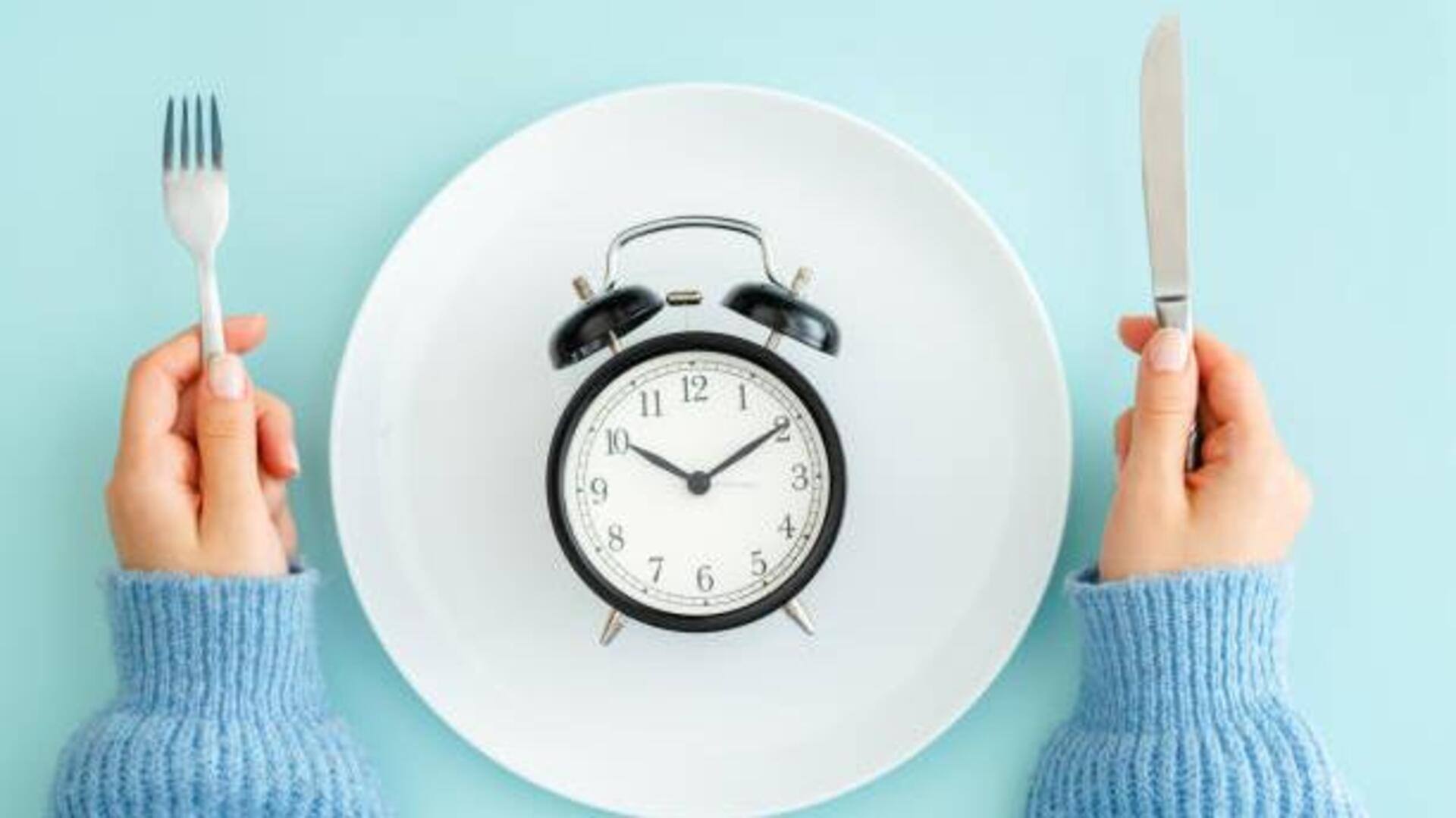
Does meal timing affect weight gain?
What's the story
For years, eating after 7 PM has been a topic of debate, with many believing it leads to weight gain. But is it really true? This article delves into the science behind late-night eating and whether it really contributes to weight gain. By looking at various factors that affect weight, we can understand if the timing of meals really matters.
#1
Metabolism and meal timing
Metabolism is the process through which your body converts food into energy. Many believe that eating late slows down metabolism, which leads to weight gain. However, research indicates that meal timing has little effect on metabolic rate. Instead, what you eat, and how much you eat, are more important factors in controlling your weight than when you eat.
#2
Impact of late-night snacking
Late-night snacking often gets a bad rap, but it is not the time that matters; it is the choice of snacks. High-calorie snacks can contribute to weight gain if they push your daily caloric intake over your body's needs. However, healthy options like fruits or nuts, in moderation, may not have any negative impact on your weight.
#3
Sleep patterns and eating habits
Eating close to bedtime may interfere with sleep patterns, which can indirectly affect your weight. Poor sleep can lead to increased hunger hormones, and cravings for unhealthy foods the next day. It's important to maintain a balance between enjoying late meals and ensuring they do not disrupt your sleep quality.
#4
Individual lifestyle factors
Individual lifestyle factors also play a major role in determining whether eating after 7 PM leads to weight gain. For some, late-night meals may fit perfectly into their schedule, without affecting their overall caloric intake or nutritional balance. Understanding personal habits and preferences is key when considering meal timing.
#5
Nutritional value over timing
Ultimately, the nutritional value of what you eat is more important than when you eat it. A balanced diet with all the essential nutrients, consumed at any time of the day, is more effective for maintaining a healthy weight than strict meal timing rules. Focus on overall dietary patterns instead of specific eating windows for better health outcomes.