How embossing makes everyday items stand out
What's the story
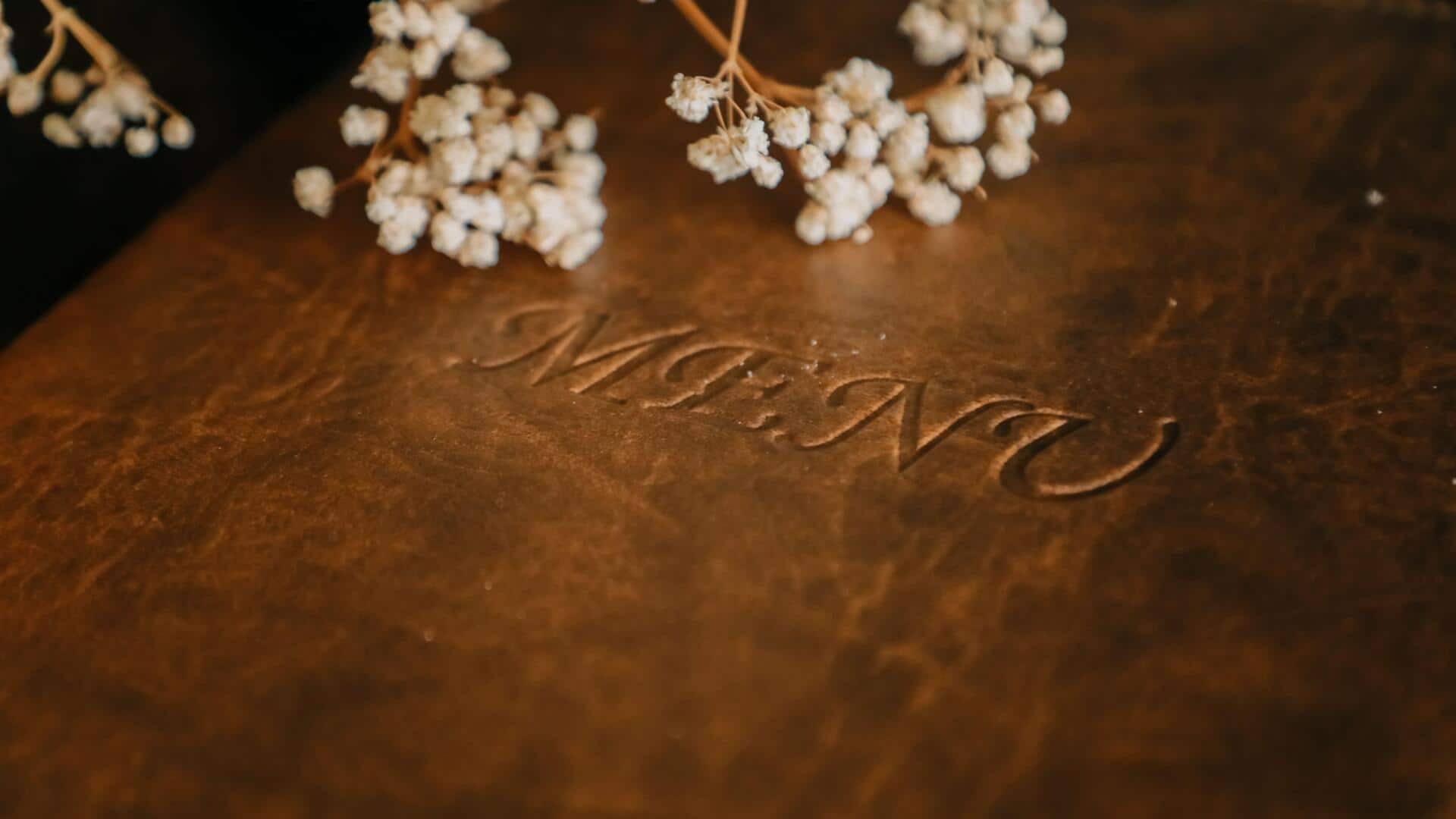
Embossing is a technique that creates raised designs on a variety of materials, giving them a unique texture and appearance. This method is widely used in industries such as printing, manufacturing, and crafts. By applying pressure to create a design, embossing adds depth and dimension to surfaces. It can be seen on everything from business cards to leather goods. Understanding embossing techniques can enhance product appeal and functionality.
Technique
Types of embossing techniques
There are several types of embossing techniques, each serving different purposes.
Blind embossing leaves an impression without ink or foil, while registered embossing aligns the design with other printed elements.
Combination embossing integrates raised designs with color printing for added effect.
Each technique offers unique benefits depending on the desired outcome.
Material
Materials used in embossing
The choice of material is crucial in embossing.
Commonly used materials include paper, cardstock, leather, and metal sheets. Each material reacts differently to the embossing process, affecting the final look and feel of the product.
For instance, leather provides a durable surface for intricate designs, while paper allows for detailed impressions without compromising weight or thickness.
Application
Applications of embossing in various industries
Embossing finds application across various industries due to its versatility.
In the publishing industry, it enhances book covers with elegant patterns or logos.
In packaging, it adds texture to boxes or labels that attract consumers' attention.
The fashion industry employs embossing on accessories like wallets or belts for aesthetic appeal.
Tip
Tips for successful embossing projects
To achieve successful embossing results, consider these tips:
choose high-quality materials that suit your design requirements;
use precise tools for accurate impressions;
test different pressure levels to find optimal settings;
and allow sufficient drying time if using ink or foil along with embossing techniques.