5 must-have seeds for your kitchen garden
What's the story
Growing your own vegetables can be a rewarding experience, especially for vegetarians who want to ensure fresh produce. Starting with the right seeds is essential for a successful garden. Here are five essential vegetable seeds that every vegetarian should consider planting. These vegetables are not only easy to grow but also provide essential nutrients and can be used in various dishes.
Tip 1
Carrot seeds for nutrient-rich roots
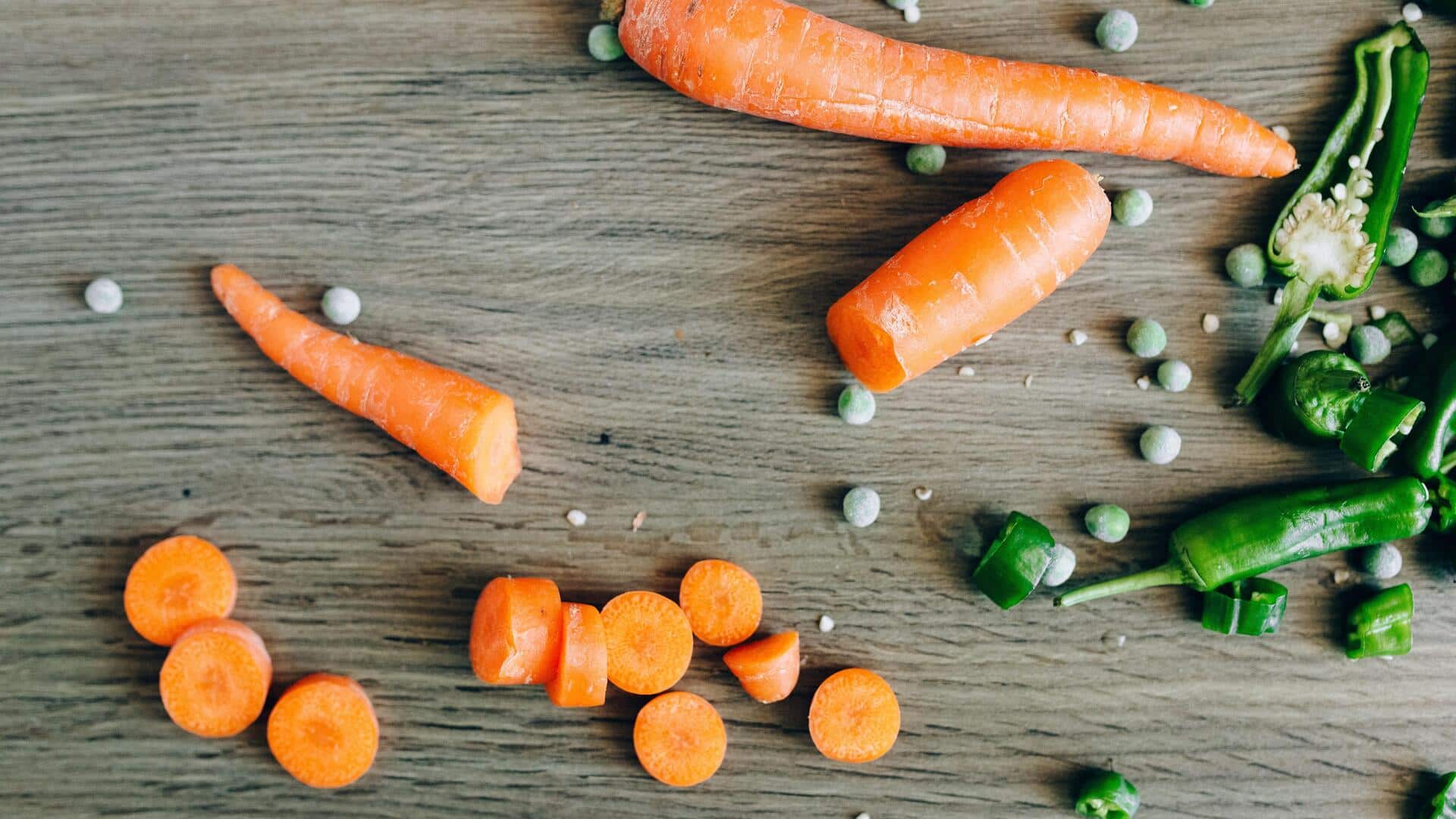
Carrot seeds are a must-have for any vegetarian garden. Carrots are rich in vitamins A and K, and provide a sweet crunch to salads and snacks.
They grow well in loose soil with good drainage. Plant the seeds directly into the soil, spacing them about two inches apart.
Carrots take about 70 days to mature, so patience is key.
Tip 2
Tomato seeds for versatile cooking
Tomato seeds are a staple in many kitchens, thanks to their versatility in cooking.
Tomatoes are packed with vitamin C and antioxidants, making them an excellent addition to any meal.
Start tomato seeds indoors six weeks before the last frost date to get a head start on the growing season. Transplant them outdoors once the risk of frost has passed.
Tip 3
Lettuce seeds for quick harvests
Lettuce seeds provide one of the quickest harvests among vegetables, ready in just three weeks from sowing.
Lettuce is low-calorie and packed with water, making it perfect for salads or sandwiches.
Sow lettuce seeds directly into the soil during cooler months as it prefers temperatures between 60 degrees Fahrenheit and 70 degrees Fahrenheit.
Tip 4
Bell pepper seeds for colorful dishes
Bell pepper seeds add color and flavor to any vegetarian dish while providing vitamin C and fiber.
Start bell pepper seeds indoors eight weeks before transplanting them outside after all danger of frost has passed.
These plants require warm temperatures and plenty of sunlight to thrive.
Tip 5
Zucchini seeds for abundant yields
Zucchini plants produce abundantly throughout the summer when harvested regularly. Regular harvesting encourages continuous production.
The flowers are also edible and can be used in a variety of recipes.
This makes them an ideal choice, especially considering how much space they occupy compared to other options available today.