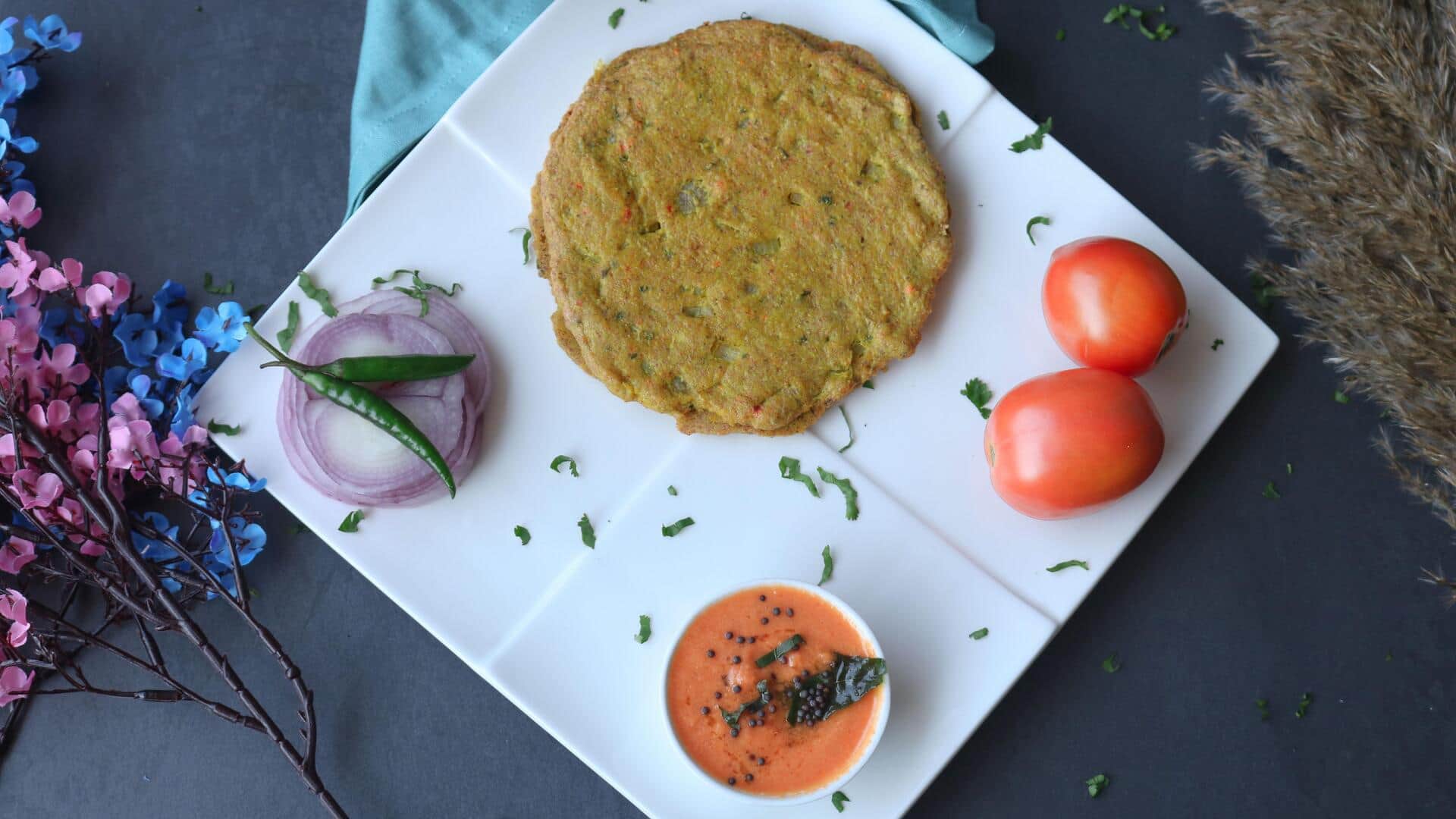
Besan chilla: The classic Indian breakfast that keeps evolving
What's the story
A popular Indian breakfast option, besan chilla, is a savory pancake made from gram flour. This dish has been a part of Indian cuisine for centuries, evolving with different regional flavors and ingredients. Its simplicity and nutritional value have made it a favorite across the country. Here, we take a look at the origins of besan chilla and how it has changed over time.
#1
Historical roots of besan chilla
The history of besan chilla dates back to ancient India, where gram flour was widely used in cooking.
The earliest records of its consumption can be traced back to texts that mention the use of legumes in daily meals.
Over the years, besan became a staple ingredient due to its availability and nutritional benefits.
The dish was initially prepared with basic spices but gradually incorporated local flavors as it spread across regions.
#2
Regional variations across India
As besan chilla traveled across different states, it picked up regional touches.
In North India, it is commonly spiced with cumin and coriander, while South Indian versions may include coconut or curry leaves for flavor.
Each area has its own take on the dish, which reflects local tastes and cooking methods, making besan chilla a versatile dish that can be adapted to suit anyone's palate.
#3
Nutritional benefits of besan chilla
Besan chilla is not just delicious but also loaded with nutrients.
It is high in protein, which makes it an ideal option for vegetarians looking for protein sources.
The presence of fiber helps with digestion and keeps you full longer than other breakfast options.
Plus, gram flour is rich in vitamins like B6 and minerals like magnesium, making this dish a healthy start to your day.
Tip 1
Modern adaptations and innovations
In recent years, chefs have experimented with besan chilla by adding innovative ingredients like cheese or vegetables such as spinach or bell peppers for added nutrition without compromising taste quality.
These modern adaptations cater to contemporary dietary preferences while preserving traditional elements that make this classic dish so beloved across generations.