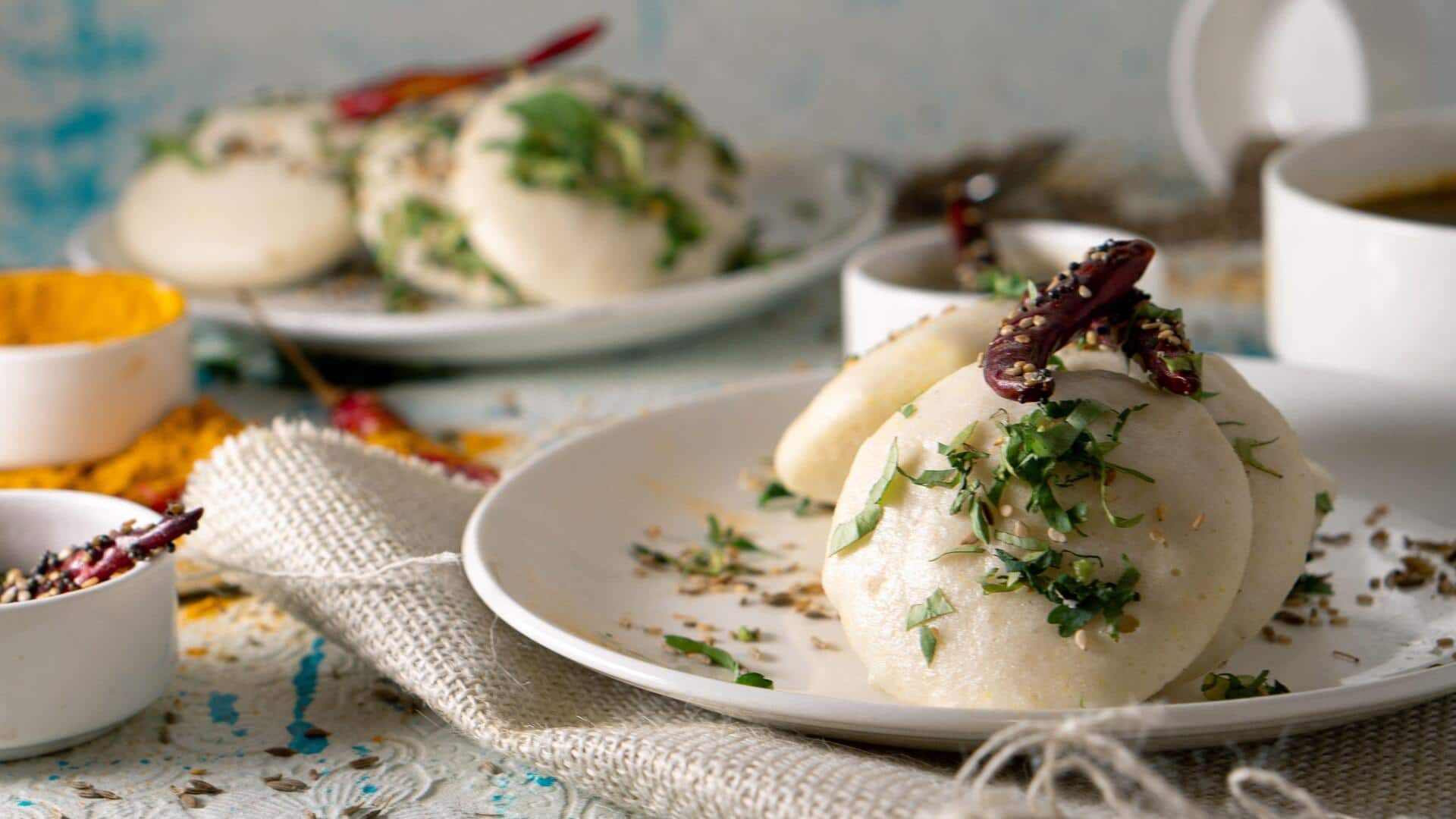
How idli became a breakfast favorite around the world
What's the story
Idli, the soft, fluffy rice cake from South India, has a history that dates back centuries. From humble beginnings in ancient kitchens, idli has evolved into a global breakfast favorite. Its journey is a testament to cultural exchanges and culinary innovations. Once a regional delicacy, idli is now savored across continents. This evolution showcases the adaptability and universal appeal of this iconic dish.
#1
Ancient origins and historical references
The earliest mention of idli dates back to the 10th century in ancient Tamil texts.
These texts describe a dish made of fermented rice and lentils, resembling modern-day idlis.
Historical records suggest that the dish was popular among royalty and scholars for its nutritional benefits.
The fermentation process not only enhanced flavor but also made idlis easier to digest, contributing to their popularity in ancient times.
#2
Regional variations across India
As idli traveled across India, it adapted to local tastes and ingredients.
In Karnataka, for example, idlis are often paired with coconut chutney or sambar.
In Kerala, they are sometimes prepared with different grains like ragi or oats for a twist.
Each region's variation reflects its cultural influences while retaining the essence of this beloved dish.
#3
Global expansion and popularity
In recent decades, idli has crossed borders to become an international breakfast favorite.
Thanks to globalization and increased interest in vegetarian cuisine, idlis are now available in restaurants worldwide.
They are often served with diverse accompaniments like avocado or hummus to cater to different palates, while preserving their traditional charm.
#4
Nutritional benefits driving demand
The health benefits of idlis have also contributed to their global rise in popularity.
Low-calorie content, high protein levels from lentils, and rich probiotic properties from fermentation make them an ideal choice for health-conscious individuals.
This has led many people around the world to include idlis in their daily diets as part of balanced nutrition plans without compromising taste or satisfaction.