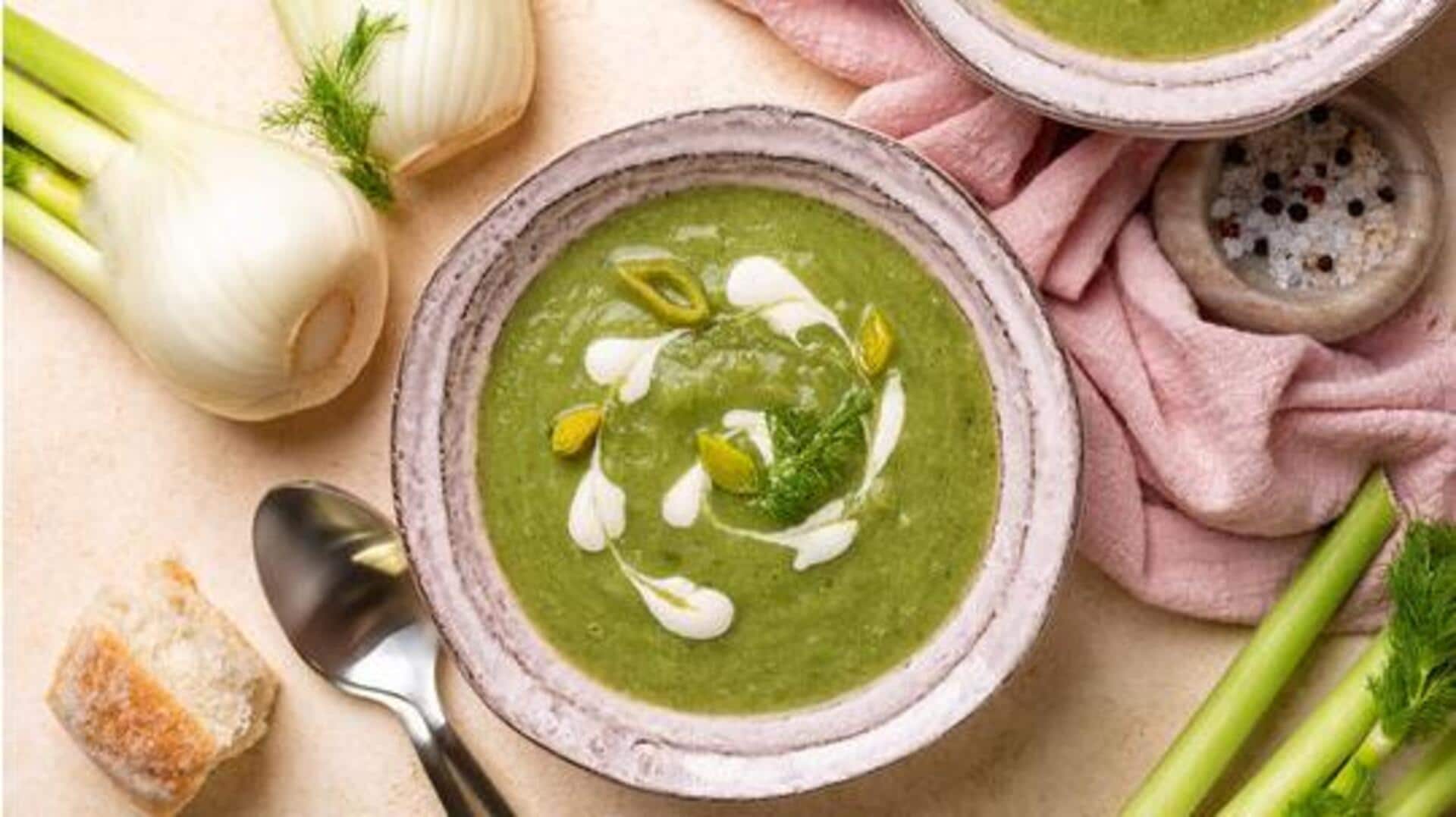
Ewedu soup: A classic dish using jute leaves
What's the story
Ewedu soup, a staple in many African cuisines, is made from jute leaves. This dish is not just delicious but also packed with nutrients that can boost your immune system. Jute leaves are rich in vitamins A and C, iron, and calcium. These nutrients play a vital role in keeping your immune system healthy. Adding ewedu soup to your diet can be an easy way to enhance your nutrition.
#1
Nutritional benefits of jute leaves
Jute leaves are loaded with essential vitamins and minerals. They are an excellent source of vitamin A, which is important for good vision and skin health. Vitamin C in jute leaves boosts the immune system by promoting the production of white blood cells. Iron in jute leaves helps transport oxygen in the blood, while calcium strengthens bones. All these nutrients make jute leaves a superfood for health.
#2
How ewedu soup boosts immunity
The preparation of ewedu soup retains most of the nutrients of jute leaves. The slimy texture of the soup makes it easy to digest and absorb nutrients efficiently. Regular consumption of this soup can help improve digestion and nutrient absorption, which are important for a strong immune system. The antioxidants present in jute leaves also help fight free radicals, reducing inflammation, and boosting immunity.
#3
Easy ways to incorporate ewedu soup into your diet
Incorporating ewedu soup into your diet is simple and versatile. Pair it with traditional sides like pounded yam or rice for a complete meal. You can also modify the recipe by adding spices or other vegetables according to taste preferences, while retaining its nutritional benefits. Making this dish at home allows you to control ingredients and ensure maximum health benefits.
Tip 1
Tips for preparing nutritious ewedu soup
To prepare nutritious ewedu soup, start by washing fresh jute leaves thoroughly to remove dirt or pesticides. Blend them until smooth before cooking over low heat to preserve nutrients. Add water gradually as needed during cooking to achieve desired consistency without compromising flavor or nutrition quality.