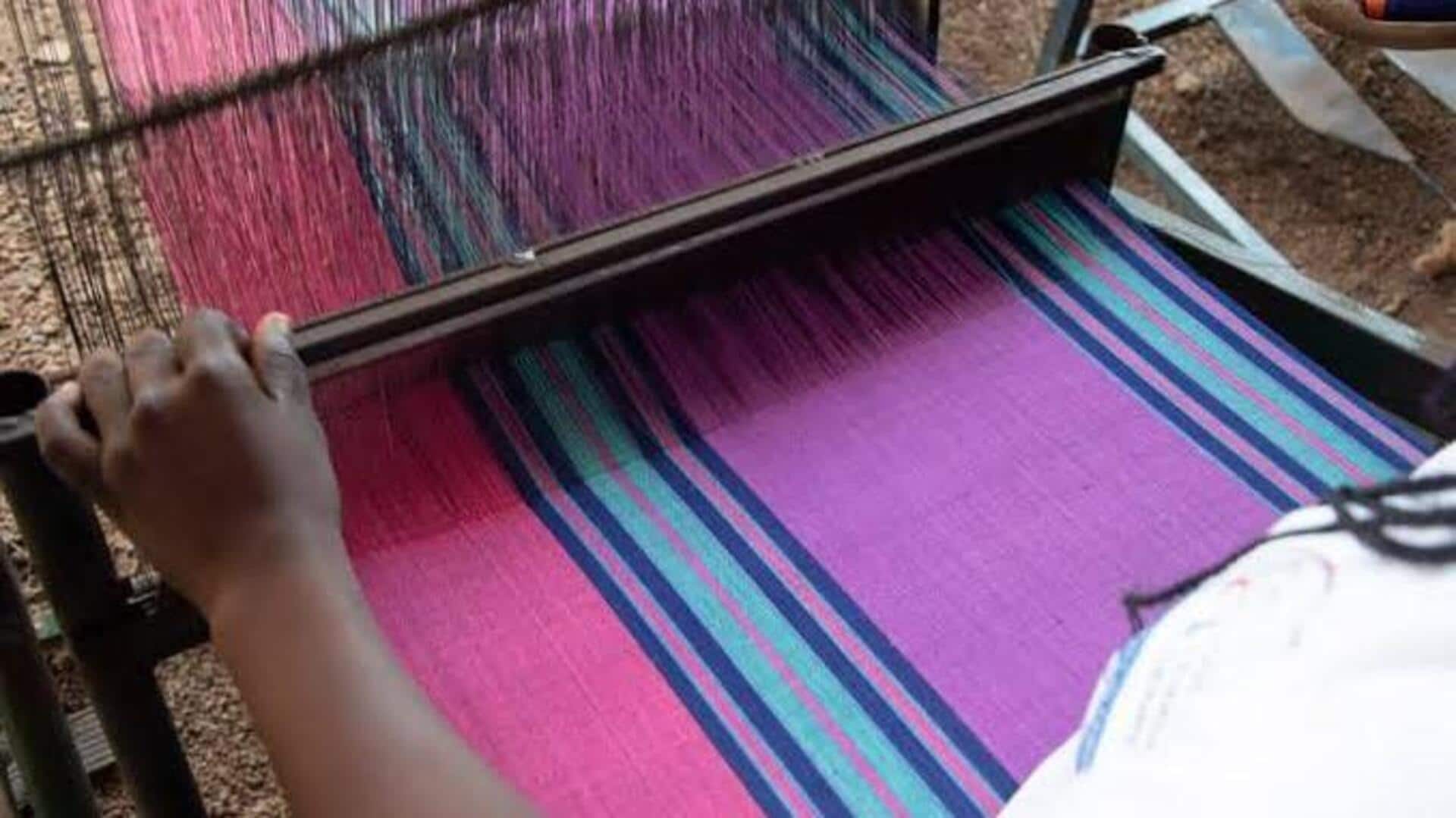
Faso Dan Fani: All about this traditional handwoven fabric
What's the story
Faso Dan Fani, a traditional handwoven fabric from Burkina Faso, is taking the global activewear market by storm. This unique textile, which is made from cotton and dyed with natural colors, is known for its durability and breathability. As more people are looking for sustainable and eco-friendly options in their activewear, Faso Dan Fani has emerged as a viable alternative. Its rich cultural heritage, and practical benefits make it an attractive choice for consumers around the world.
#1
Origins and craftsmanship of Faso Dan Fani
Faso Dan Fani has its roots in Burkina Faso's rich cultural heritage.
The fabric is handwoven by skilled artisans using traditional techniques that have been passed down through generations.
The process involves weaving cotton threads into intricate patterns, often featuring geometric designs that hold cultural significance.
This craftsmanship not only preserves the art of weaving but also supports local communities by providing them with a source of income.
#2
Benefits of Faso Dan Fani in activewear
The natural properties of Faso Dan Fani make it ideal for activewear.
Its breathability ensures moisture wicks away from the body during workouts, keeping you cool and comfortable.
The durability of the fabric means it can withstand rigorous activities without losing its shape or quality over time.
Plus, being made from natural materials, Faso Dan Fani is an eco-friendly option for those looking to reduce their carbon footprint.
#3
Growing popularity in global markets
In recent years, Faso Dan Fani has gained traction in global markets as consumers seek sustainable alternatives to conventional textiles.
Brands are increasingly incorporating this traditional fabric into their collections, catering to the demand for unique, environmentally conscious products.
The growing interest in ethical fashion has further fueled the popularity of Faso Dan Fani among consumers who value cultural authenticity and sustainability.
#4
Challenges faced by artisans today
Despite its rising popularity, artisans face challenges in preserving traditional techniques while meeting modern demands.
Limited access to resources and training programs can hinder production capabilities.
However, initiatives aimed at supporting these artisans through fair trade practices are gaining momentum.
These efforts ensure they receive fair compensation and keep their craft alive for future generations.