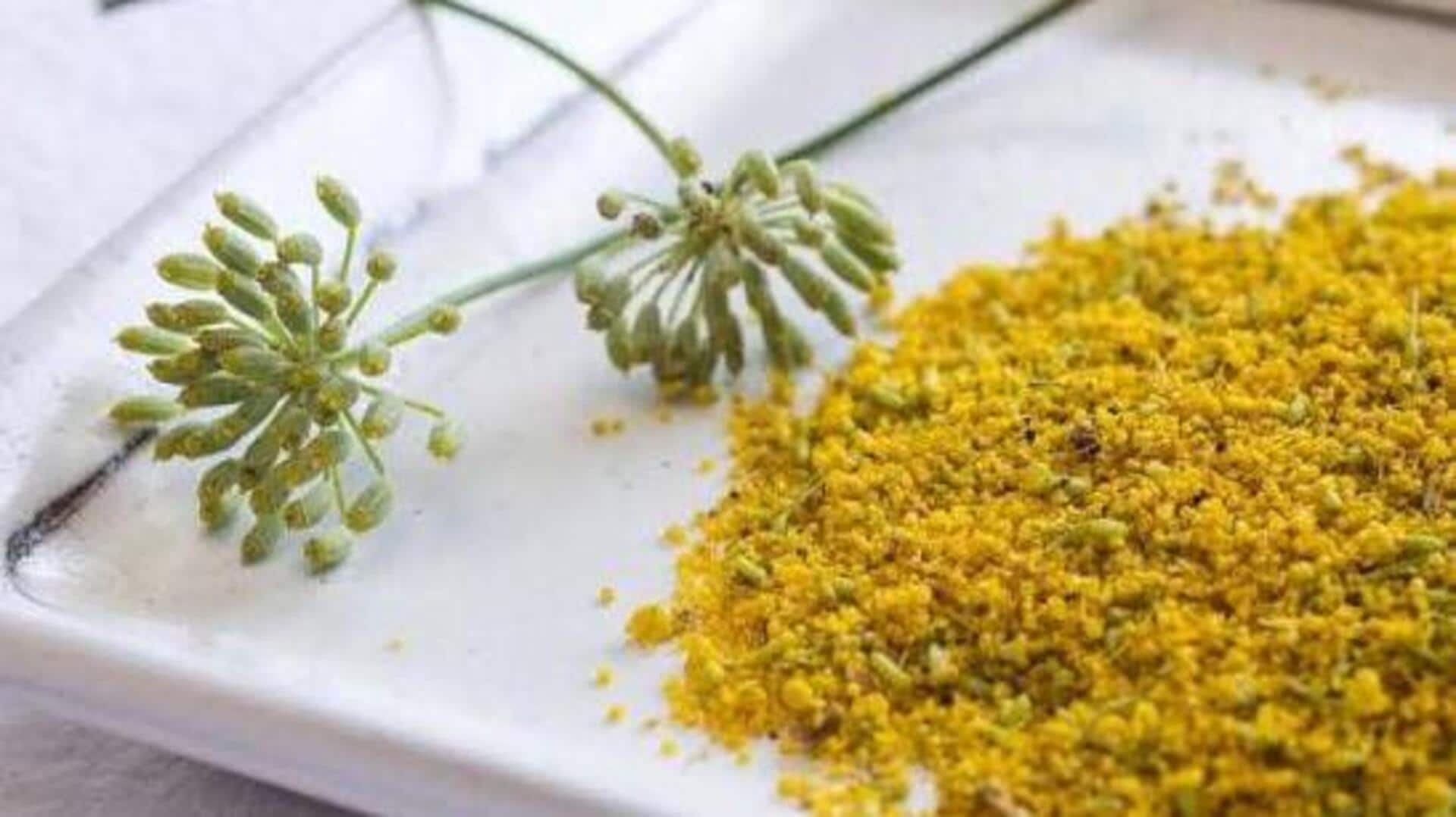
What is fennel pollen? Here's why chefs love it
What's the story
Fennel pollen, a spice often ignored, has a unique flavor profile that can elevate many dishes. With its sweet and slightly citrusy taste, fennel pollen is a versatile ingredient. It can be used to add depth to both savory and sweet recipes. Knowing how to use this spice can open new culinary avenues for you. Here are some practical tips to incorporate fennel pollen into your cooking.
Tip 1
Enhancing salads with fennel pollen
Adding fennel pollen to salads can elevate their flavor profile by adding a sweet and aromatic note.
Just sprinkle a small amount over fresh greens, or mix it into dressings for an added zest.
The spice goes particularly well with ingredients like citrus fruits, nuts, and cheese, making it a perfect addition to Mediterranean-style salads.
Tip 2
Boosting baked goods flavor
Incorporating fennel pollen into baked goods can bring out subtle sweetness and complexity.
Add it to cookie dough or cake batter for an unexpected twist on classic recipes.
Its unique flavor pairs well with vanilla and almond extracts, making it ideal for enhancing desserts like muffins or scones.
Tip 3
Seasoning roasted vegetables
Roasted vegetables get a whole new dimension when seasoned with *fennel pollen* before cooking.
The heat brings out the spice's natural oils, intensifying its flavor without overpowering the dish.
Try using it on root vegetables like carrots or potatoes, or even on cauliflower, for a delicious side dish.
Tip 4
Infusing oils and vinegars
Infusing oils or vinegars with fennel pollen is an easy way to add its flavor to various dishes.
Simply add the spice to olive oil or balsamic vinegar, and let it sit for a few days before using it as a dressing or marinade base.
This infusion gives you a fragrant liquid that can enhance salads, pasta dishes, and grilled vegetables.
Tip 5
Creating unique spice blends
Fennel pollen makes an excellent addition to homemade spice blends, giving them a unique twist.
Mix it with herbs like thyme, rosemary, and oregano for seasoning rubs or mixes for soups and stews.
This combination adds depth and complexity, while allowing the natural flavors of the other ingredients to shine through.