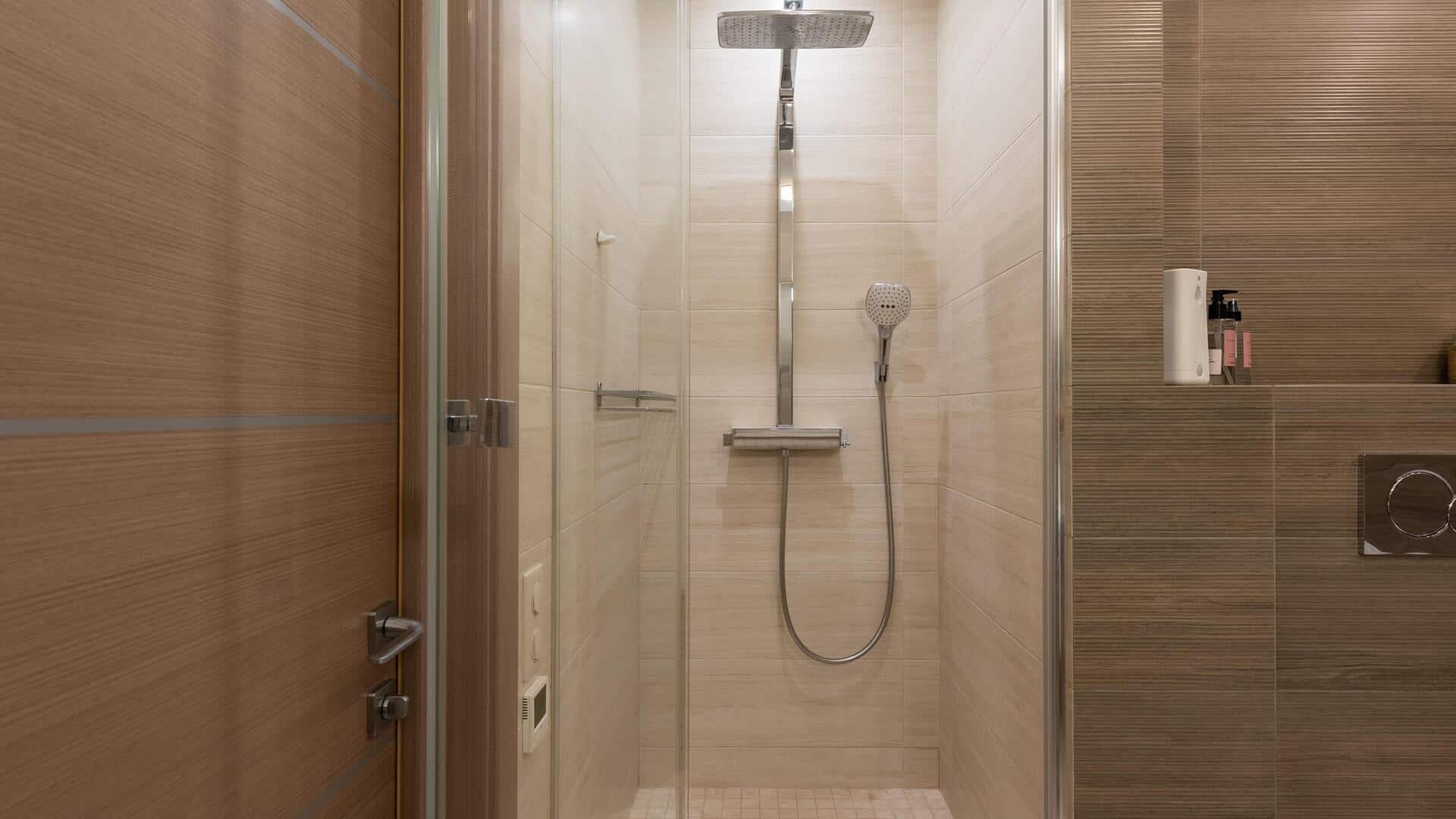
Stop shower leaks with this easy upgrade
What's the story
Leaky shower doors can be a major annoyance, often leading to water damage and mold growth. One of the most effective solutions to this problem is replacing old seals. Over time, seals can wear out, losing their ability to keep water contained within the shower area. By replacing them, you can restore the integrity of your shower doors and prevent further leaks.
Tip 1
Identify worn-out seals
Before you start replacing seals, it is essential to identify which ones are worn out.
Look for signs such as cracks, tears, or brittleness in the rubber or silicone material.
If water is seeping through these areas when the shower is in use, it's a clear indication that replacement is necessary.
Regular inspection can help catch these issues early.
Tip 2
Choose the right seal material
Choosing the right material for your new seal is key to ensuring durability and effectiveness.
Most shower door seals are made of rubber or silicone. While rubber is more affordable, silicone offers better flexibility and longevity.
Consider your budget and how much wear and tear the seal will be exposed to when making your choice.
Tip 3
Measure accurately before purchase
Accurate measurements are critical to ensure a perfect fit for your new shower door seals.
Use a tape measure to get the dimensions of the old seal or the area where it sits.
Pay attention to width and height specifications, as even minor discrepancies can lead to leaks.
Most hardware stores offer pre-cut sizes, but custom options are also available if needed.
Tip 4
Install with precision
Proper installation is key to the performance of new shower door seals.
Start by cleaning the area thoroughly to remove any residue from old seals or mold buildup.
Follow manufacturer instructions carefully while installing each piece, ensuring they fit snugly without gaps that could allow water leakage.
Tip 5
Maintain your seals regularly
Regular maintenance goes a long way in extending the life of your newly installed shower door seals.
Clean them periodically with mild soap and water to prevent soap scum buildup, which can degrade materials over time.
Also, check for any signs of wear during routine bathroom cleaning sessions, so you can address potential issues before they become major problems.