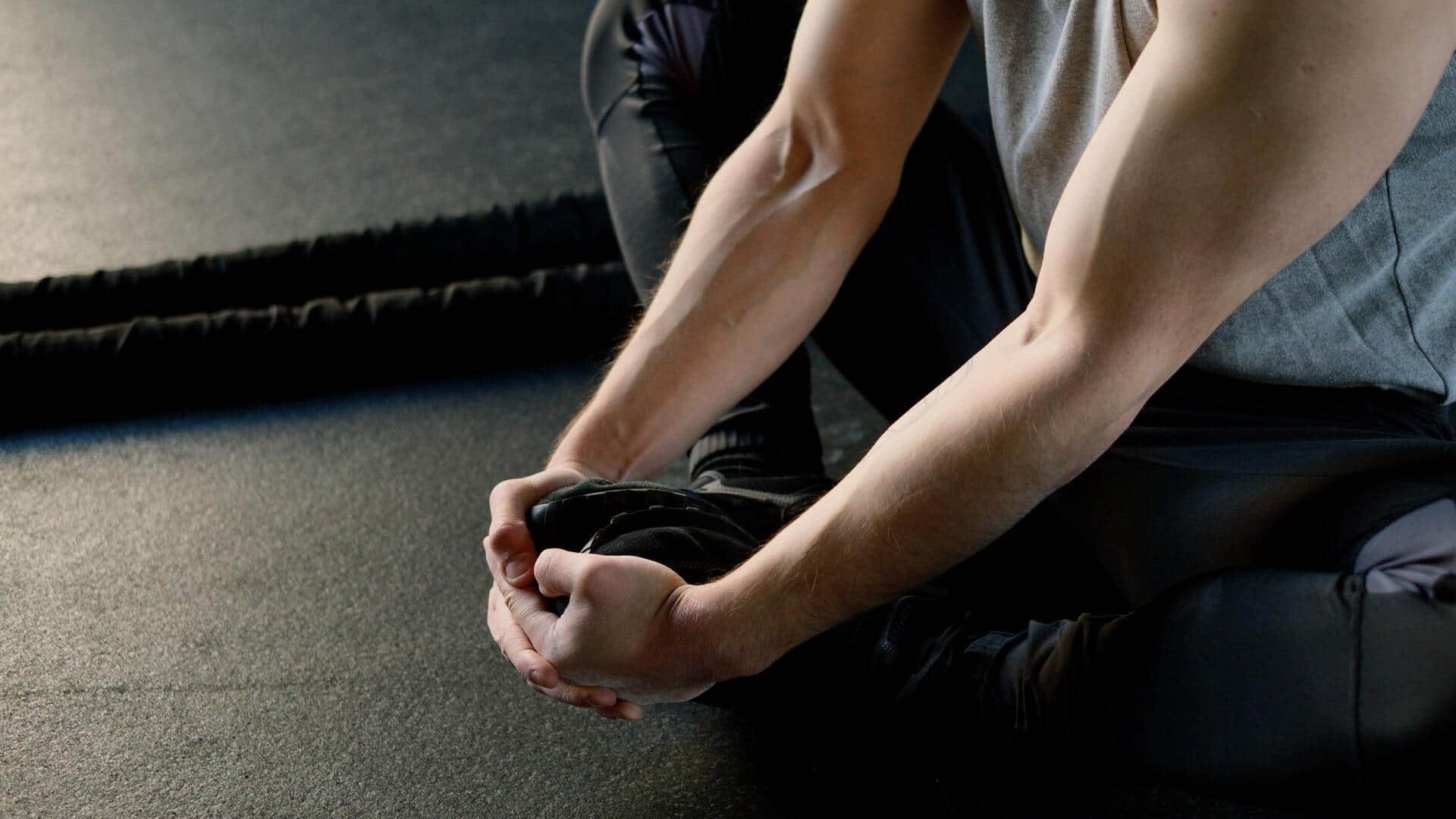
Why regular stretching is good for you
What's the story
Flexibility training exercises are an important part of a balanced fitness routine. These exercises improve the range of motion in joints and muscles, which is important for overall health and wellness. By including flexibility training in your routine, you can enjoy a number of benefits that go beyond just improved mobility. Here are five surprising benefits of flexibility training exercises that you might not know.
Tip 1
Improved posture and alignment
Flexibility training can help improve posture by loosening tight muscles that pull the body out of alignment.
When muscles are flexible, they support the spine better, resulting in a more upright posture.
This is especially beneficial for people who spend long hours sitting at a desk or working on computers.
Improved posture not only makes you look confident but also reduces strain on the back and neck.
Tip 2
Enhanced athletic performance
Athletes can benefit greatly from flexibility training, as it enhances performance by increasing the range of motion in joints.
This increased range allows for more efficient movement patterns during physical activities such as running, jumping, and cycling.
As a result, athletes may experience improved speed, agility, and endurance.
Regular flexibility exercises can also help prevent injuries by preparing muscles for the demands of various sports.
Tip 3
Reduced muscle soreness
Engaging in flexibility training post-workout can minimize muscle soreness by promoting blood circulation to the affected areas.
The increased blood flow aids in delivering essential nutrients to muscles, while removing waste products from exercise-induced stress.
Consequently, this reduces delayed onset muscle soreness (DOMS) and speeds up recovery time between workouts.
Tip 4
Stress relief and relaxation
Flexibility training exercises like yoga or stretching routines promote relaxation by activating the parasympathetic nervous system.
This response counters stress by inducing calmness, lowering heart rate, and blood pressure levels.
Practicing these exercises regularly can help manage daily stressors more effectively while promoting mental clarity and focus.
Tip 5
Better balance and coordination
Regular flexibility training can improve balance and coordination.
It also enhances proprioception, the body's ability to sense its position in space.
Improved proprioceptive awareness leads to better control over movements during activities requiring balance, such as dancing or martial arts.
This benefit is especially important, as it reduces the risk of falls among older adults, improving their overall safety and quality of life.