Why everyone is talking about fufu flour
What's the story
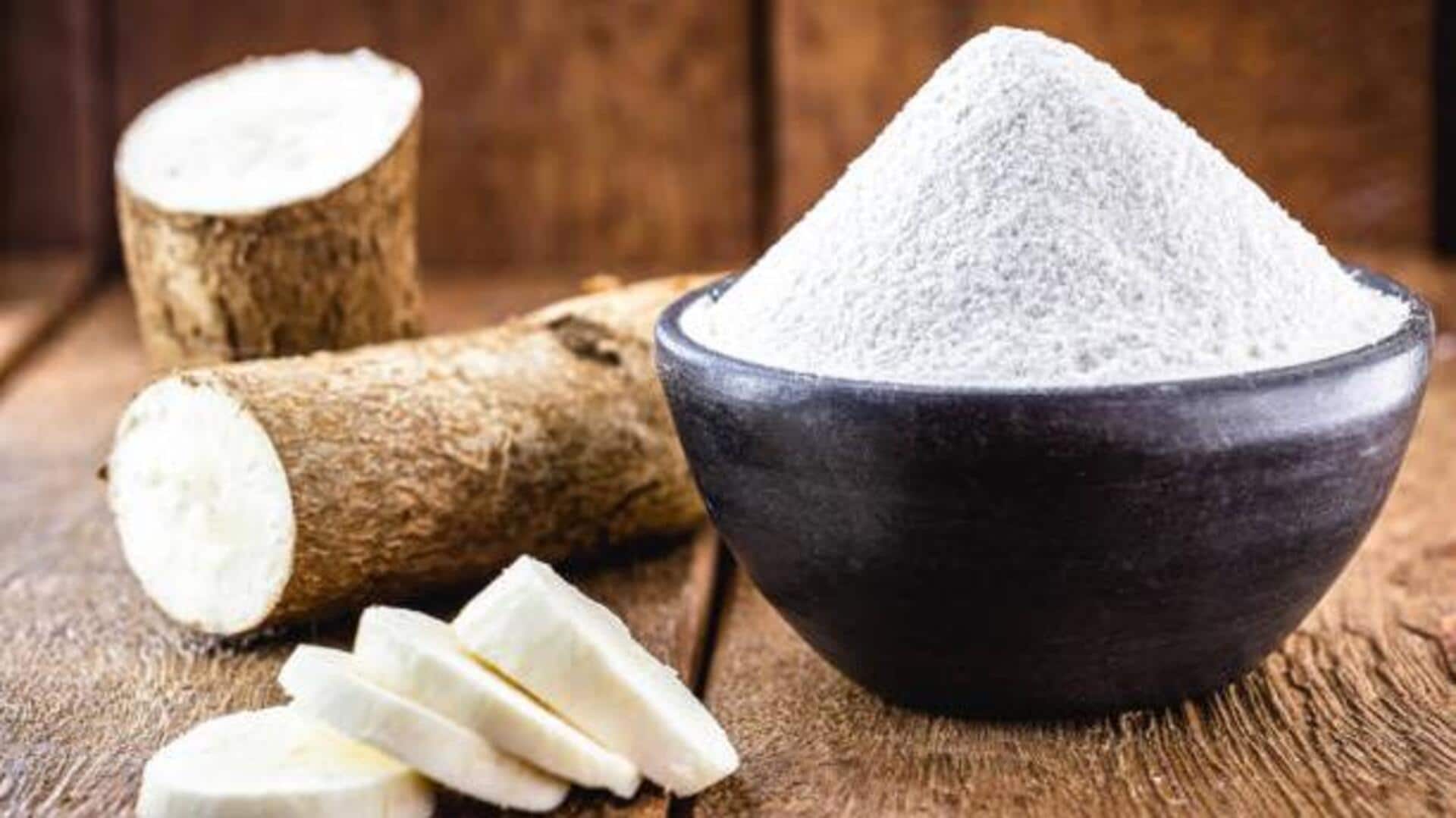
Fufu flour, a staple in many African cuisines, is gaining popularity for its versatility in cooking and nutritional benefits. Made from starchy vegetables such as cassava or plantains, fufu flour is gluten-free and rich in carbohydrates. It serves as an excellent source of energy and can be used to prepare various dishes. Its adaptability makes it a favorite among those looking for healthy alternatives to traditional grains.
#1
Nutritional benefits of fufu flour
Fufu flour is loaded with essential nutrients such as potassium and magnesium, which are vital for our overall health.
It is also low in fat and contains no cholesterol, making it a heart-healthy option.
The high carbohydrate content provides a quick energy boost, making it perfect for active individuals.
Its gluten-free nature makes it an excellent choice for people with celiac disease or gluten intolerance.
#2
Versatile cooking applications
Fufu flour can be used in a variety of recipes apart from the traditional fufu dish.
It can be used as a thickening agent for soups and stews, or even as a base for pancakes and flatbreads.
Its neutral flavor easily blends into savory and sweet dishes alike, giving cooks the liberty to experiment with different flavors without overpowering them.
#3
Cost-effective ingredient choice
Using fufu flour in your kitchen can be cost-effective, given its affordability compared to other specialty flours like almond or coconut flour.
A small amount goes a long way in recipes, making it economical for everyday use.
This affordability allows more people to enjoy its benefits without breaking the bank.
Tip 1
Tips for incorporating fufu flour at home
To get started with fufu flour at home, buy it from local markets or online stores where African ingredients are sold.
Start by adding small amounts into your current recipes, like soups or stews, to see how well you like it before trying out full-fledged dishes, like traditional fufu balls served with sauces or broths.