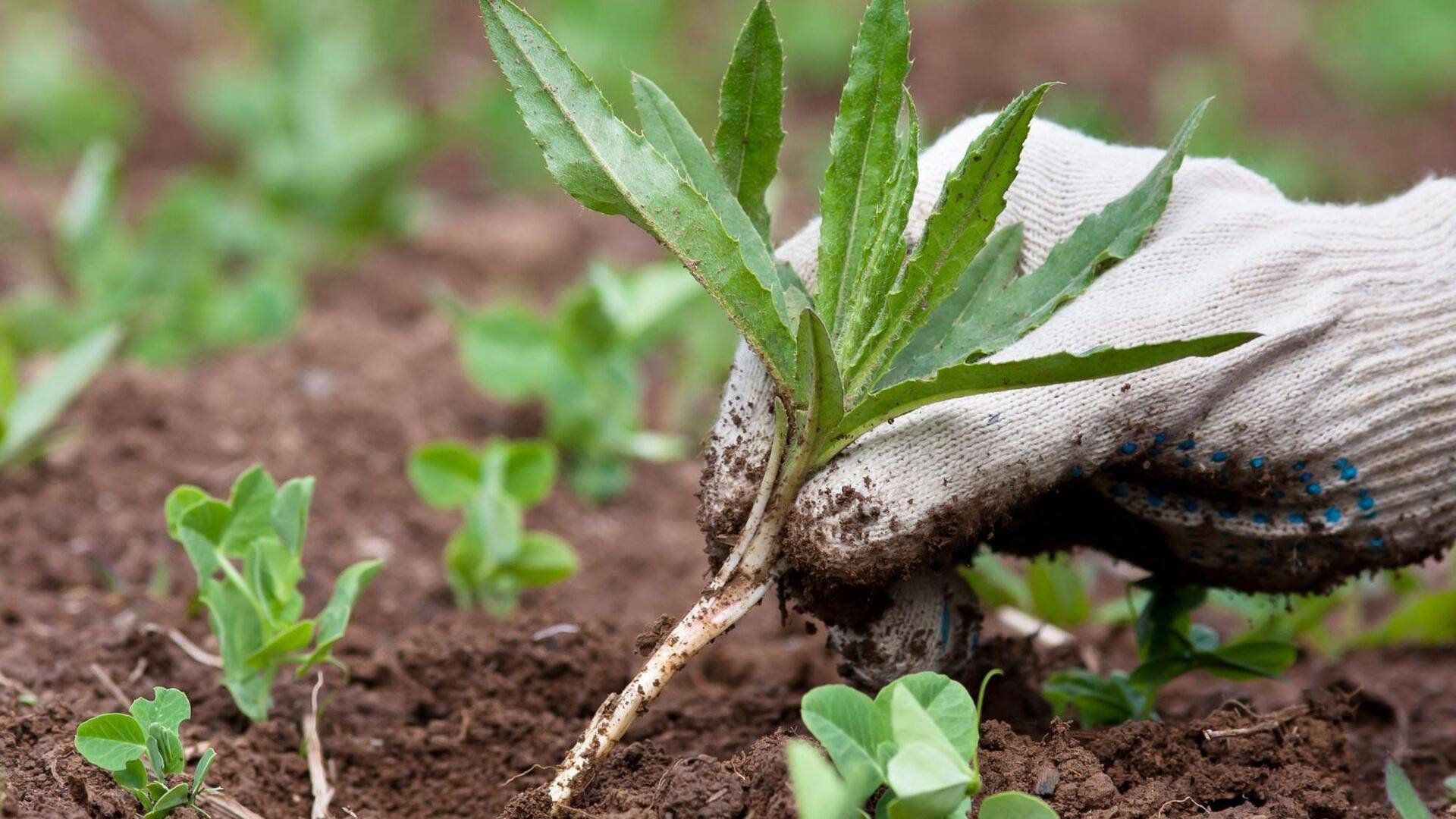
Gardening v/s light swimming: Which reduces daily stress better?
What's the story
Gardening and light swimming are two popular activities known for their stress-relieving benefits. Both offer unique ways to unwind and relax, making them appealing options for those looking to manage daily stress. While gardening allows you to connect with nature and engage in physical activity, light swimming provides a soothing environment and gentle exercise. Here's a look at how each activity helps in reducing stress.
#1
The calming effect of gardening
Gardening is often touted as a natural stress reliever. The act of planting, nurturing, and watching plants grow can be immensely satisfying. It connects you with nature, which has been proven to lower cortisol levels, the hormone associated with stress. Plus, gardening requires focus and attention, which diverts your mind from daily worries. The rhythmic tasks involved in gardening also promote mindfulness, further reducing anxiety.
#2
Light swimming's soothing benefits
Light swimming is another effective way to combat stress. The water's buoyancy eases muscle tension, while the rhythmic strokes promote relaxation. Swimming also triggers the release of endorphins—natural mood lifters—that help improve mental well-being. The repetitive nature of swimming can be meditative, allowing you to clear your mind and focus on your breathing.
#3
Physical activity's role in stress relief
Both gardening and light swimming involve physical activity that contributes to lower stress levels. Exercise increases blood flow to the brain, which can improve mood and cognitive function. It also helps regulate sleep patterns by reducing insomnia symptoms, a common issue among stressed individuals. Regular engagement in these activities can lead to long-term improvements in mental health.
Tip 1
Accessibility considerations for each activity
Accessibility is an important factor when choosing between gardening or light swimming for stress relief. Gardening requires minimal equipment—seeds or plants, soil, tools like shovels or trowels—and can be done at home or community gardens at little cost. Light swimming may require access to pools or natural bodies of water but usually involves minimal expense beyond basic swimwear.