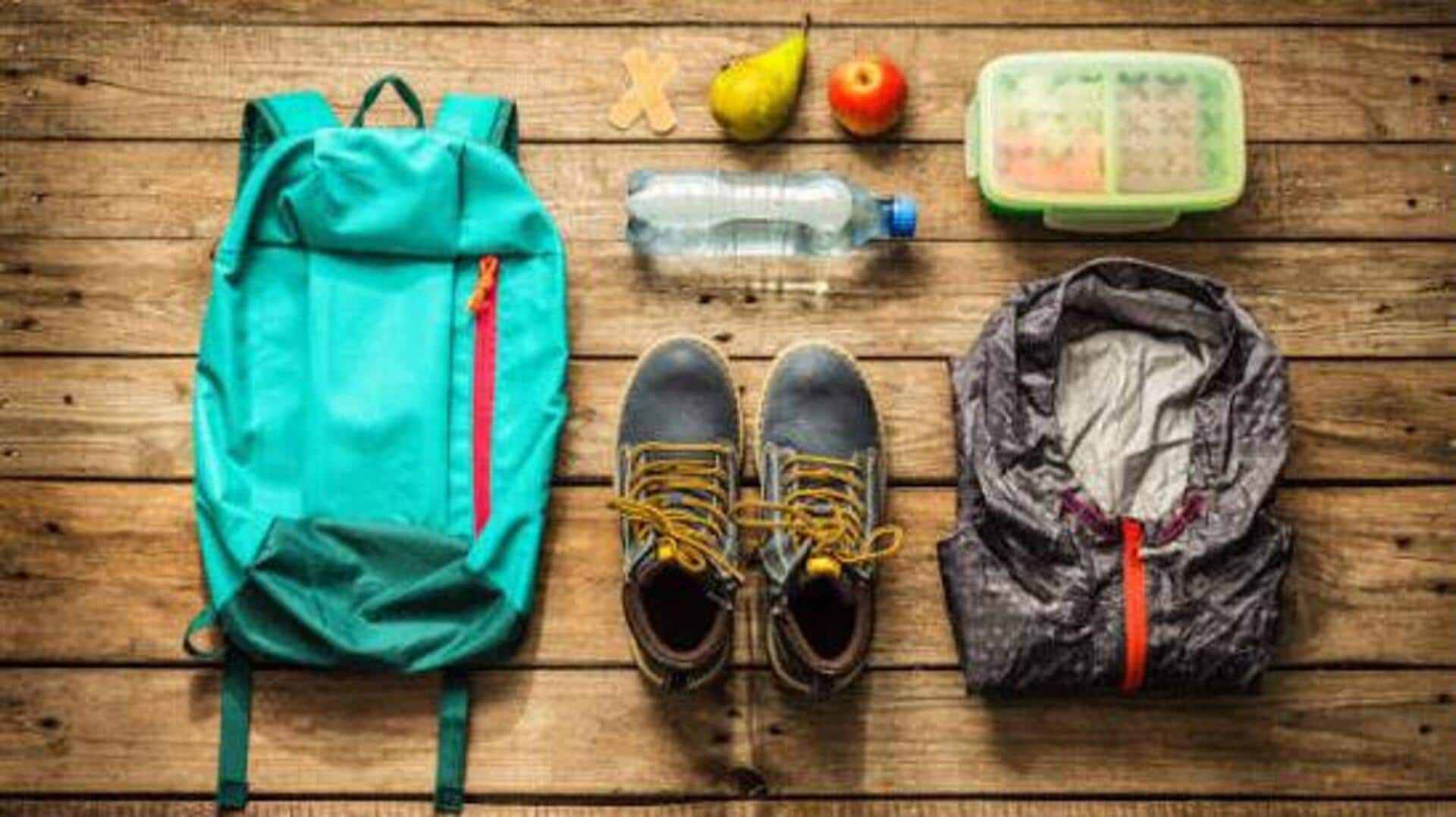
5 things every mountain trekker should pack
What's the story
African mountain treks are an experience of a lifetime, but they require you to be well-prepared. Apart from the usual trekking gear, there are some lesser-known essentials that can make your adventure safe and enjoyable. These items may not be on everyone's checklist, but they can make a world of difference in your comfort and safety while exploring Africa's majestic mountains.
Tip 1
Portable water filter
Staying hydrated is key during any trek, but access to clean water may be limited in remote areas.
A portable water filter helps ensure that you have access to safe drinking water from natural sources like streams or rivers.
This not only reduces the amount of bottled water you need to carry but also minimizes plastic waste in the environment.
Tip 2
Lightweight emergency blanket
An emergency blanket is a compact, lightweight, and essential item for any trekker. It provides warmth in case of unexpected weather changes or emergencies.
The reflective material helps retain body heat, which can be critical if you get stranded or lost.
It takes up very little space in your pack, making it an easy addition to your gear list.
Tip 3
Multi-tool or Swiss army knife
A multi-tool or Swiss army knife can prove to be invaluable on a trek, offering multiple functions like cutting rope, opening cans, and making minor repairs on gear.
Its versatility makes it an essential tool that could come in handy in a number of situations without adding much weight to your pack.
Tip 4
Insect repellent clothing
Insect repellent clothing is treated with special chemicals that ward off bugs like mosquitoes and ticks.
This is especially useful in areas where insect-borne diseases are a concern.
Wearing this type of clothing can reduce the risk of bites significantly, compared to regular clothes, while keeping you comfortable during long hikes.
Tip 5
Portable solar charger
A portable solar charger ensures that your electronic devices remain powered up during extended treks where access to electricity is scarce.
It allows you to charge GPS devices, phones, or cameras using sunlight—an eco-friendly solution that keeps you connected, prepared, and avoids relying on disposable batteries.