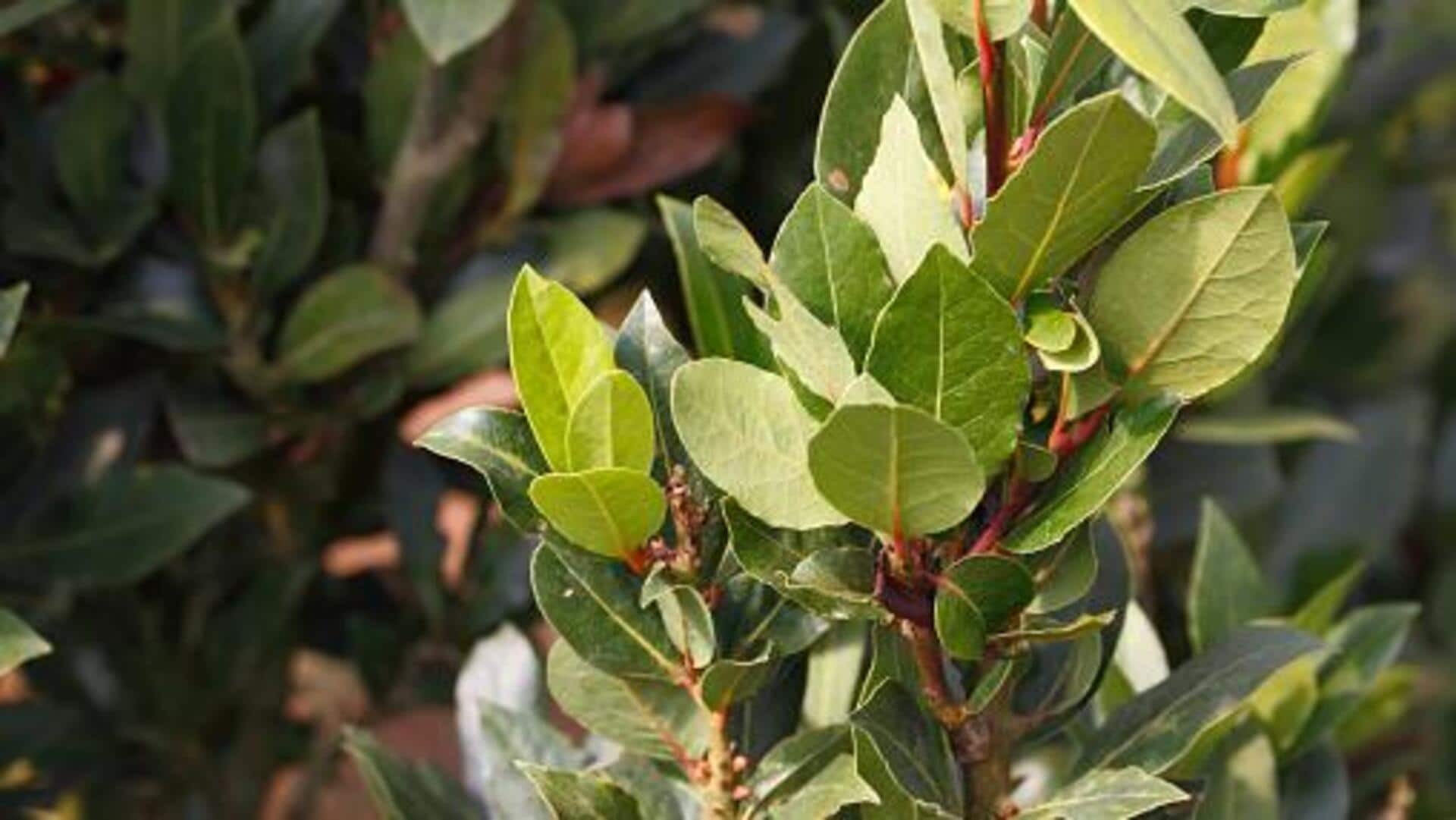
How to grow bay leaves in your balcony
What's the story
Bay laurel (bay leaves), with its aromatic leaves, is the perfect herb to grow on a sunny balcony. It not only enhances the beauty of your space, but also provides fresh leaves for cooking. The plant is easy to maintain and can flourish in pots, making it ideal for urban gardening. Here are some practical tips to grow bay laurel on your balcony, ensuring it thrives in the sunlight.
Tip 1
Choosing the right pot
Selecting an appropriate pot is essential for bay laurel's growth.
A container with a diameter of at least 12 inches allows enough space for the roots to expand.
Ensure that the pot has drainage holes to prevent waterlogging, which can damage the roots.
Using a saucer beneath the pot can catch excess water and protect your balcony surface.
Tip 2
Soil and planting essentials
Bay laurel flourishes in well-draining soil with a slightly acidic to neutral pH level (6.0 to 7.0).
A combination of potting soil with sand or perlite can ensure good drainage.
Plant the bay laurel at the same depth as it was in its nursery container, and water it lightly after planting to settle the soil around the roots.
Tip 3
Watering techniques for healthy growth
Proper watering is key to keeping your bay laurel healthy.
Water the plant when the top inch of soil feels dry to touch, but avoid overwatering, as it can cause root rot.
During hot weather, you may need to increase watering frequency, but always check soil moisture first before adding more water.
Tip 4
Sunlight requirements and placement tips
Bay laurel loves bright, indirect sunlight for at least six hours every day.
Place your pot where it receives plenty of light, but avoid harsh afternoon sun that may scorch its leaves.
If direct sunlight isn't possible all day long, consider rotating your pot every few days so all sides get equal exposure.
Tip 5
Pruning and maintenance practices
Regular pruning keeps bay laurel bushy and prevents it from getting leggy.
Trim back new growth in spring or early summer using clean, sharp shears. This encourages bushier growth and keeps the plant healthy.
Check for pests like aphids or spider mites regularly, and treat them promptly with insecticidal soap or neem oil if needed.