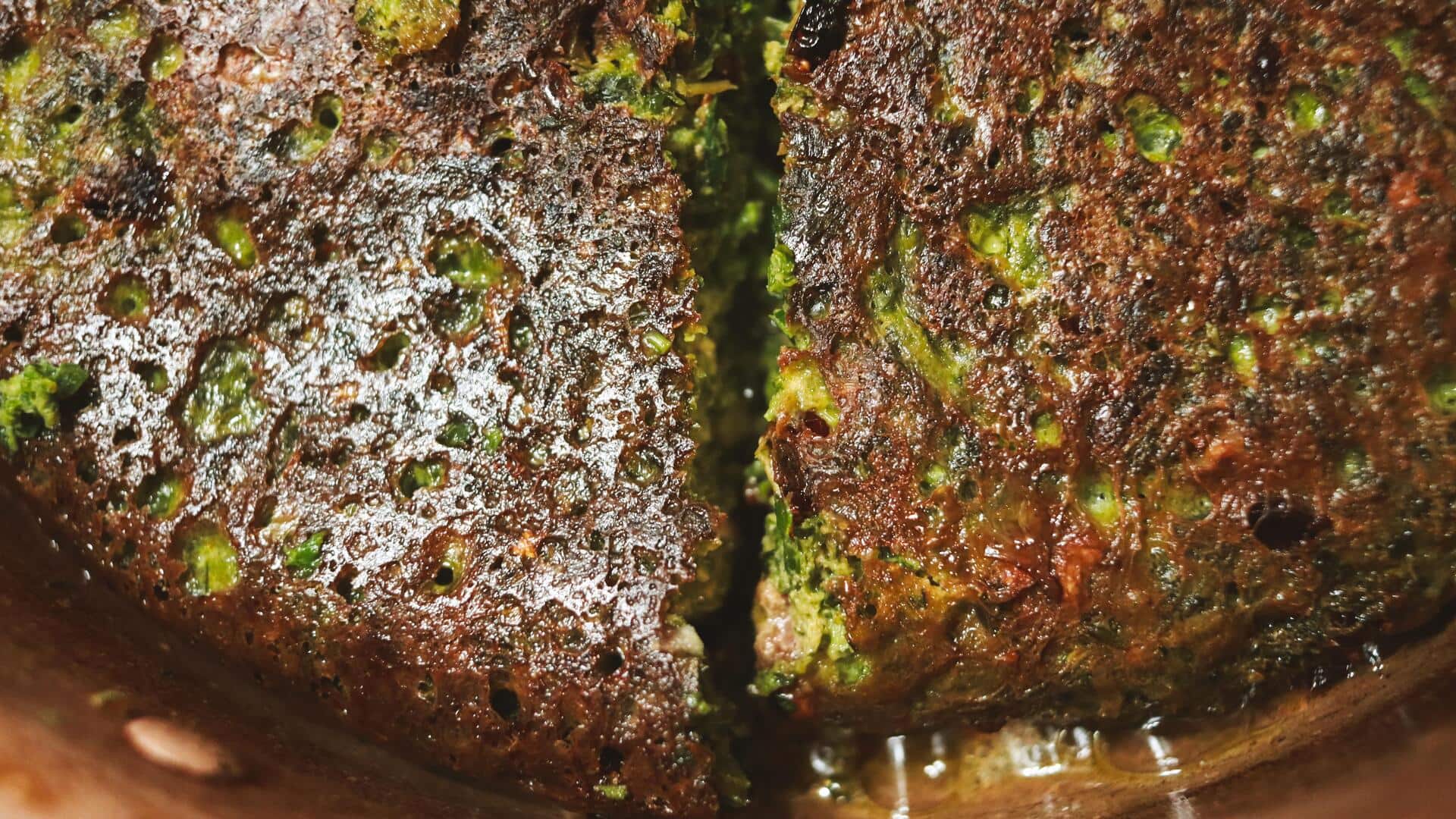
Handvo: A classic Gujarati recipe with rich history
What's the story
Handvo, a traditional Gujarati dish, has been a staple in Indian kitchens for centuries. This savory cake, made from fermented rice and lentils, showcases the rich culinary heritage of Gujarat. Known for its unique texture and flavor, handvo is not just a dish but a cultural emblem. Its preparation involves patience and skill, reflecting the meticulous nature of Gujarati cooking traditions. Let's delve into the history and preparation of this iconic dish.
#1
Ancient roots of Handvo
Handvo's origins trace back to ancient times when it was primarily prepared during festivals and special occasions. The dish was a way to utilize leftover grains and lentils, turning them into something delicious and nutritious. Over time, handvo became a household staple across Gujarat, adapting to local tastes and ingredients while retaining its core identity.
#2
Ingredients that define Handvo
The key ingredients of handvo include rice, urad dal, chana dal, yogurt, and spices like mustard seeds and sesame seeds. These components are essential for achieving the right balance of flavor and texture. The fermentation process is crucial as it not only enhances the taste but also makes the dish easier to digest.
#3
Cooking techniques for perfect handvo
Preparing handvo requires precise techniques to ensure it rises well and cooks evenly. The batter should be allowed to ferment for at least eight hours before cooking. Once ready, it is poured into a pan with oil or ghee at medium heat until golden brown on both sides. Regular flipping ensures uniform cooking throughout.
#4
Variations across regions
While handvo originates from Gujarat, different regions have their own versions depending on local ingredients and preferences. Some variations include adding vegetables like bottle gourd or spinach for extra nutrition without compromising on taste or texture. These regional adaptations highlight India's diverse culinary landscape while maintaining respect for traditional recipes.